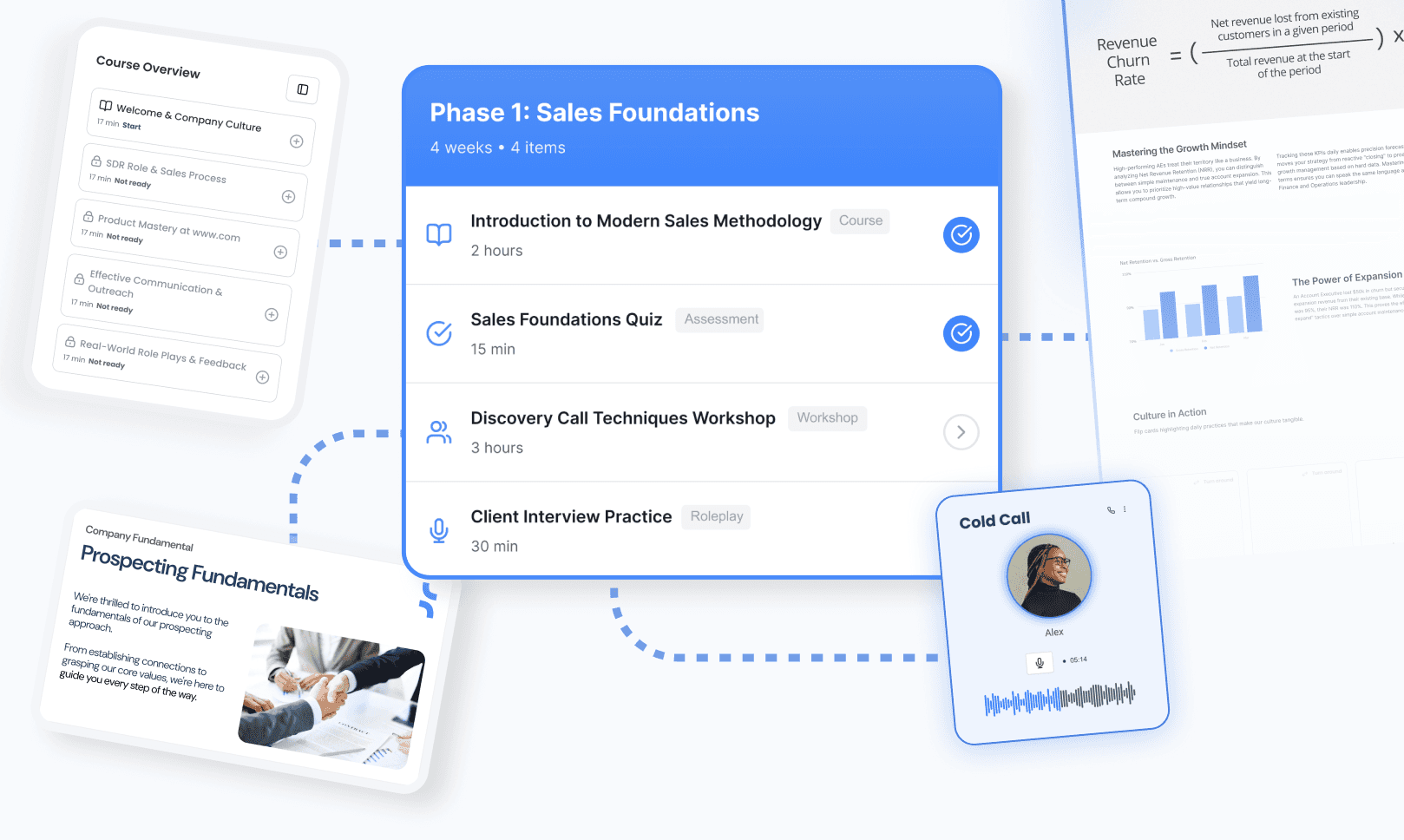

Recording sales calls gives you access to something most training programmes lack: clear evidence of how your team performs in real customer conversations.
You can hear the questions reps ask, how they explain your product, where prospects become interested and what happens when an objection appears. You can also see whether your sales methodology is being used in practice rather than simply remembered during an assessment.
Here is a practical process for getting more from every sales call recording.
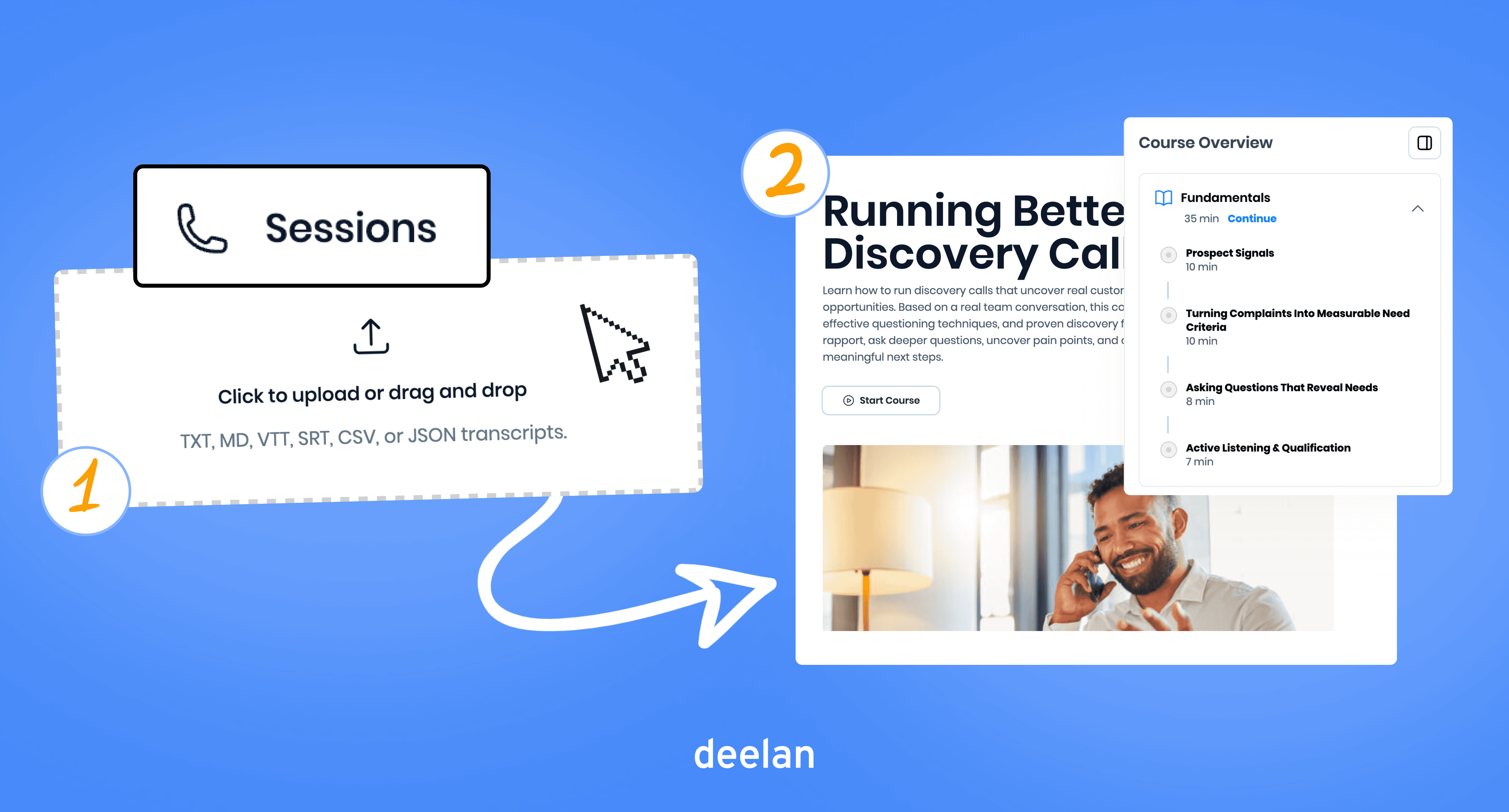
Start with the purpose of the sales call
Before analysing a recording, clarify what the rep was expected to accomplish.
For a discovery call, you might focus on whether the rep:
Understood the customer’s current situation
Asked meaningful follow-up questions
Identified the business impact of the problem
Uncovered priorities and urgency
Clarified the decision-making process
Agreed on a relevant next step
Beginning with a clear objective keeps the call review focused. It also prevents managers from giving a long list of disconnected comments that the rep will struggle to apply.
Analyse the call against specific sales skills
Discovery and questioning
Look at the quality of the questions rather than simply counting how many were asked.
Did the rep ask questions that uncovered useful information? Did they explore the customer’s first answer, or immediately move to the next item on a checklist?
A strong discovery conversation usually contains a combination of broad questions, follow-up questions and questions that explore impact.
The recording can reveal whether the rep understood the customer or simply gathered basic information.
Active listening
A rep can ask good questions and still run a weak conversation if they do not listen carefully to the answers.
Look for moments when the customer mentioned a concern, priority or buying signal. Did the rep explore it, acknowledge it or miss it completely?
Useful signs of active listening include:
Referencing something the customer said earlier
Asking a relevant follow-up question
Clarifying an unclear point
Summarising the customer’s situation
Adjusting the conversation based on new information
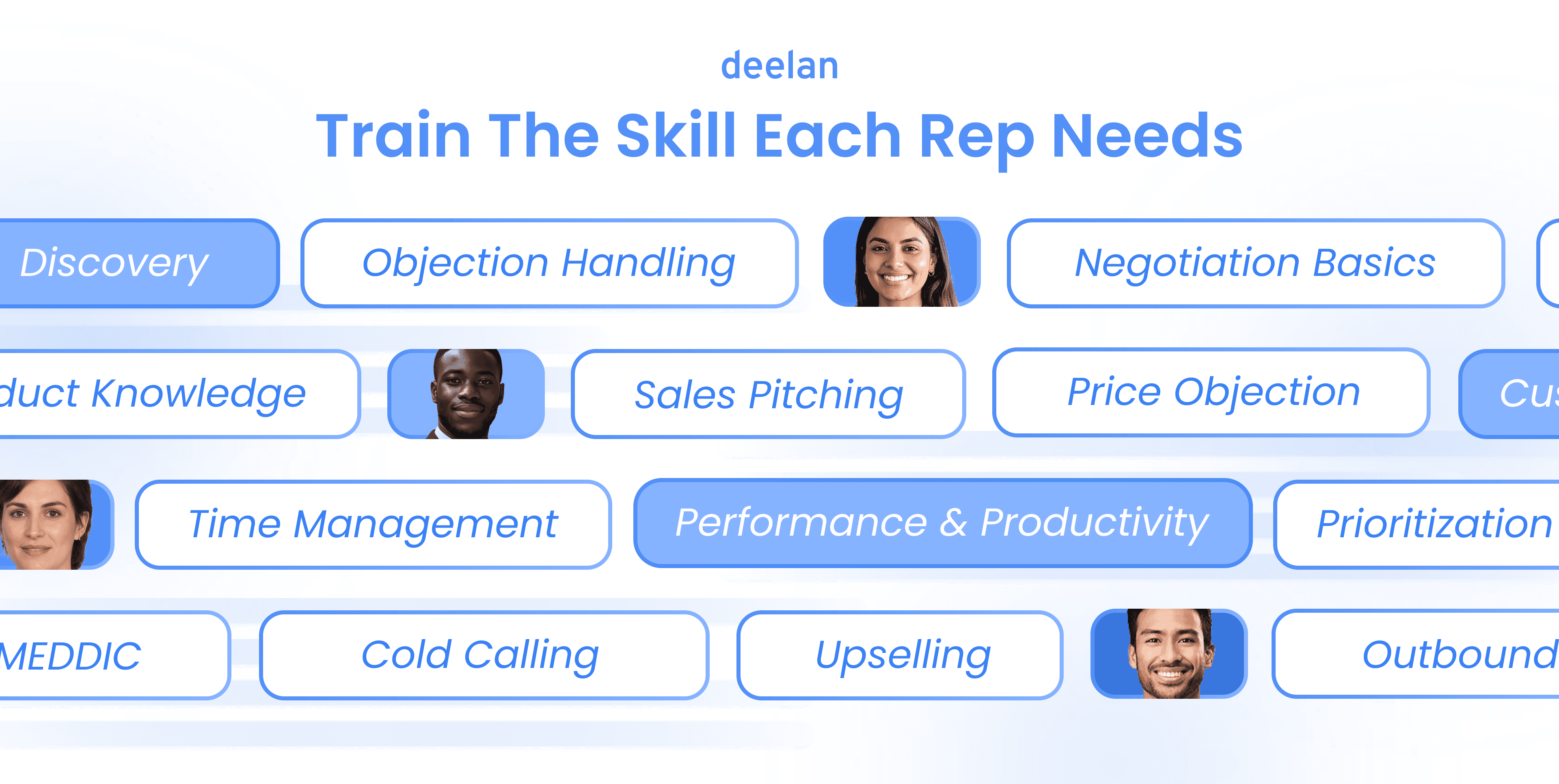
Objection handling
Identify the exact point where the objection appeared and how the rep responded.
Did they understand the real concern before answering? Did they become defensive, give too much information or move past the objection too quickly?
The goal is not only to decide whether the answer was correct. You should also assess whether the rep handled the objection naturally and kept the conversation moving.
Messaging and product positioning
Call recordings show whether reps communicate your company’s positioning consistently.
Listen for the way the rep explains:
The problem you solve
The value of the product
The difference between your solution and alternatives
The relevance of the product to that specific customer
Proof points and customer examples
This is particularly useful after a product launch, pricing change or messaging update. A rep may have completed the new training but still return to familiar language during a real conversation.
Next steps
Many otherwise strong calls lose momentum at the end.
Review whether the rep agreed on a specific next step, confirmed who should be involved and established a realistic timeline.
“Let’s stay in touch” is not the same as an agreed action.
A recording makes it easier to see whether the next step was genuinely mutual or simply suggested by the seller.
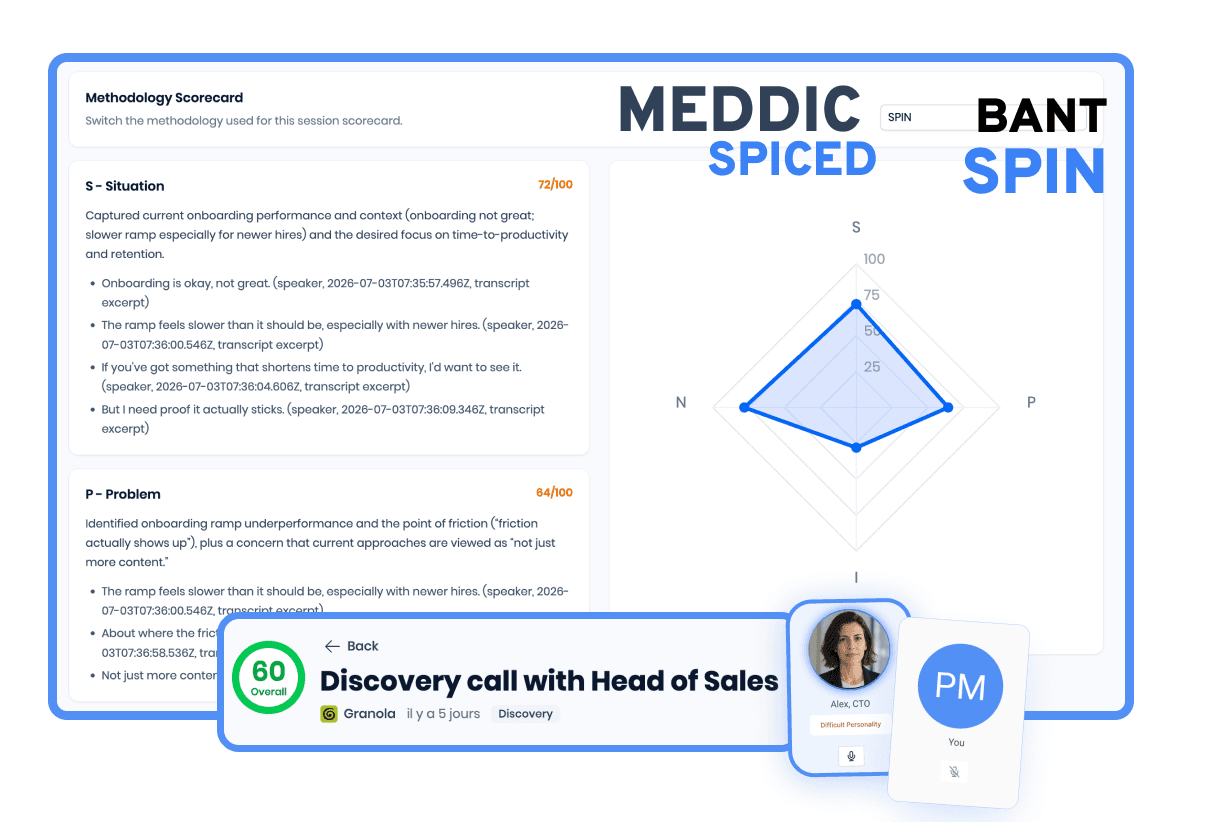
Analyse calls against your sales methodology
Individual skills matter, but they should also be viewed within your wider sales process.
Depending on your company, you might evaluate calls against MEDDICC, SPIN, Challenger, Sandler, BANT or an internal methodology.
Look for patterns across multiple call recordings
You may notice that a rep:
Regularly accepts surface-level discovery answers
Struggles whenever pricing is discussed
Explains too many features during product demonstrations
Misses signals related to urgency
Avoids asking about decision-makers
Ends calls without a clear next step
If several reps struggle with the same objection, the issue may not be individual performance. Your team may need stronger messaging, better product information or a shared objection-handling framework.
Choose one priority skill to improve
A detailed call analysis can generate many observations, but trying to fix everything at once usually creates little change.
Choose the skill that would have had the greatest effect on the conversation.
For example, a rep may have spoken too quickly, used filler words, missed two follow-up questions and handled a pricing objection poorly. The pricing conversation might still be the most important priority because it repeatedly blocks opportunities.
A focused training action is easier to understand, practise and measure. Once the behaviour improves, you can move to the next priority.
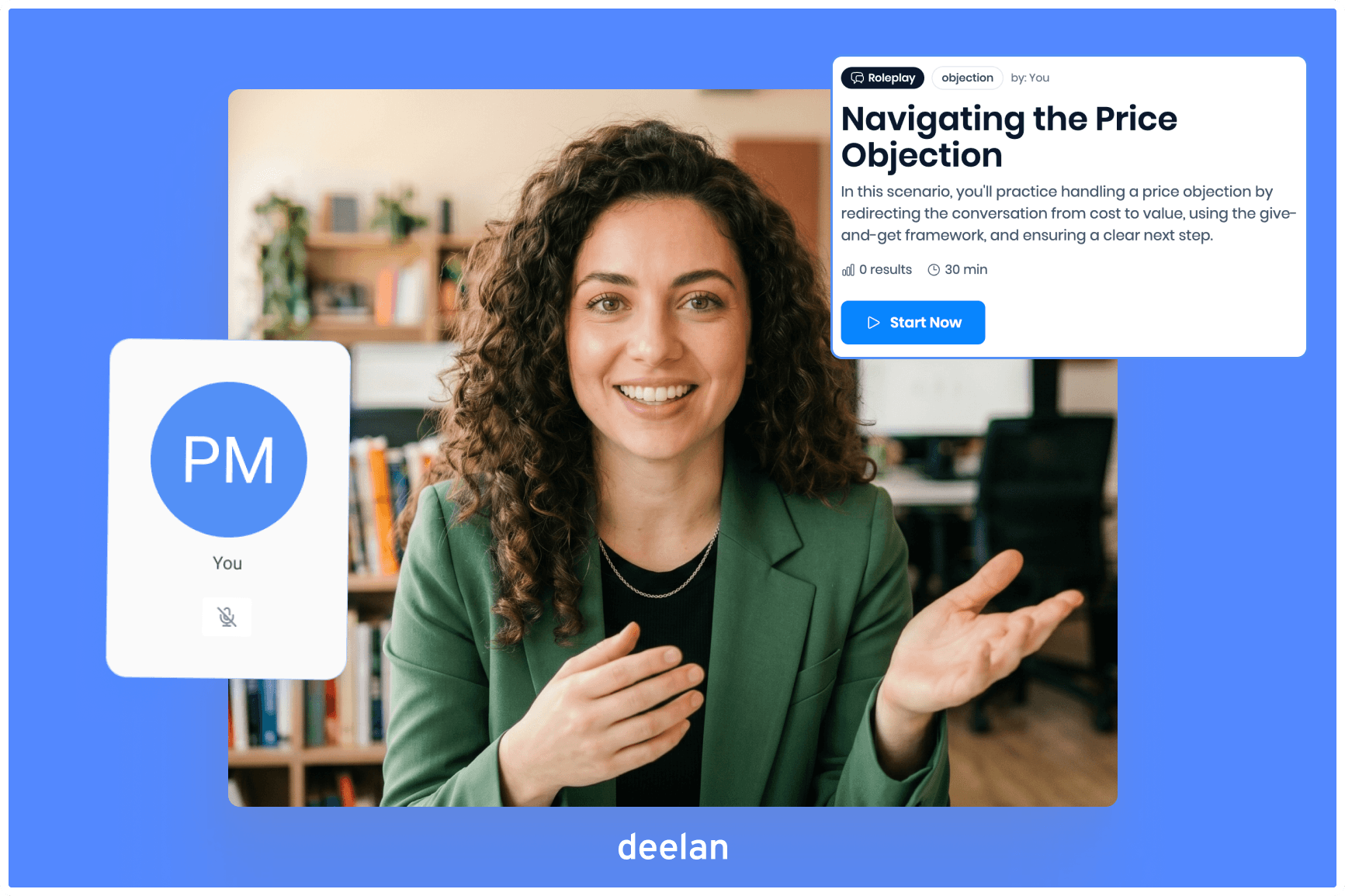
Turn call recordings into training with Deelan
Deelan helps sales teams move beyond storing and reviewing recordings.
Deelan analyses the conversation and provides insights into the skills demonstrated during the call. The call can also be evaluated against your chosen sales methodology, helping you see where the rep followed the process and where important information or behaviours were missing.
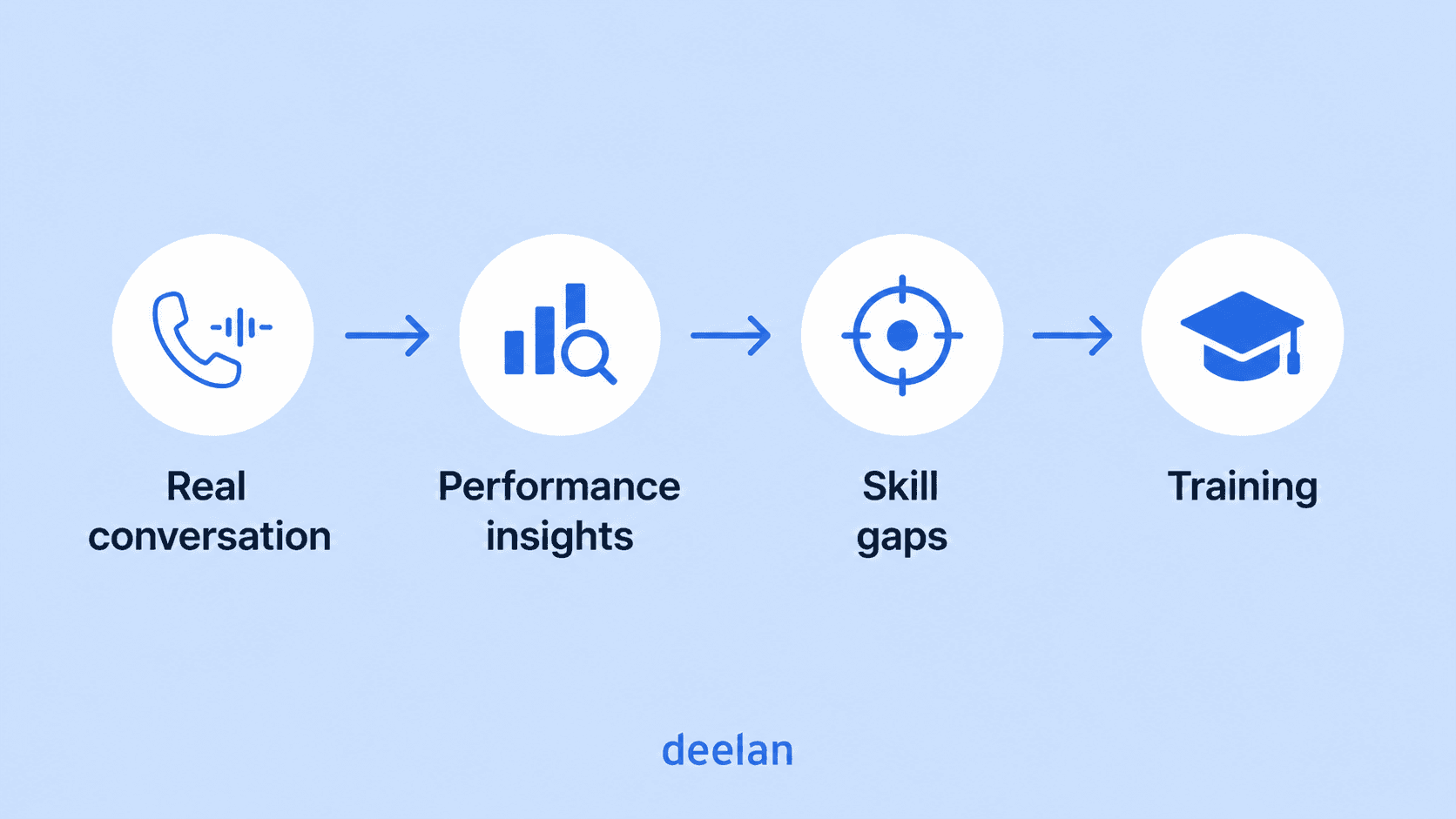
From those insights, you can create targeted:
Microlearning
Assessments
Product demonstration practice
Wider training programmes
Your call recording becomes the starting point for relevant learning and measurable skill improvement.
Make every recorded call useful
Upload a call transcript or connect your recording tool to uncover skill gaps and generate relevant training from real customer conversations.