
One of the most common pieces of sales advice is also one of the least useful:
"Listen more."
Most salespeople have heard it dozens of times. Most managers have said it dozens of times. Yet if you sit through enough discovery calls, you'll notice that listening problems rarely come from people who aren't paying attention.
The best sales conversations are less linear. They slow down when something interesting appears. They follow threads that weren't part of the original plan. And by the end of the call, the buyer often feels that the salesperson understands their situation better than most people inside their own organization.
Just as teams train objection handling, demos, negotiation, or prospecting, active listening can be practiced deliberately. Some sales organizations now evaluate it as a standalone competency during roleplays because they know that a rep who asks good questions but misses important signals is still leaving opportunities on the table.
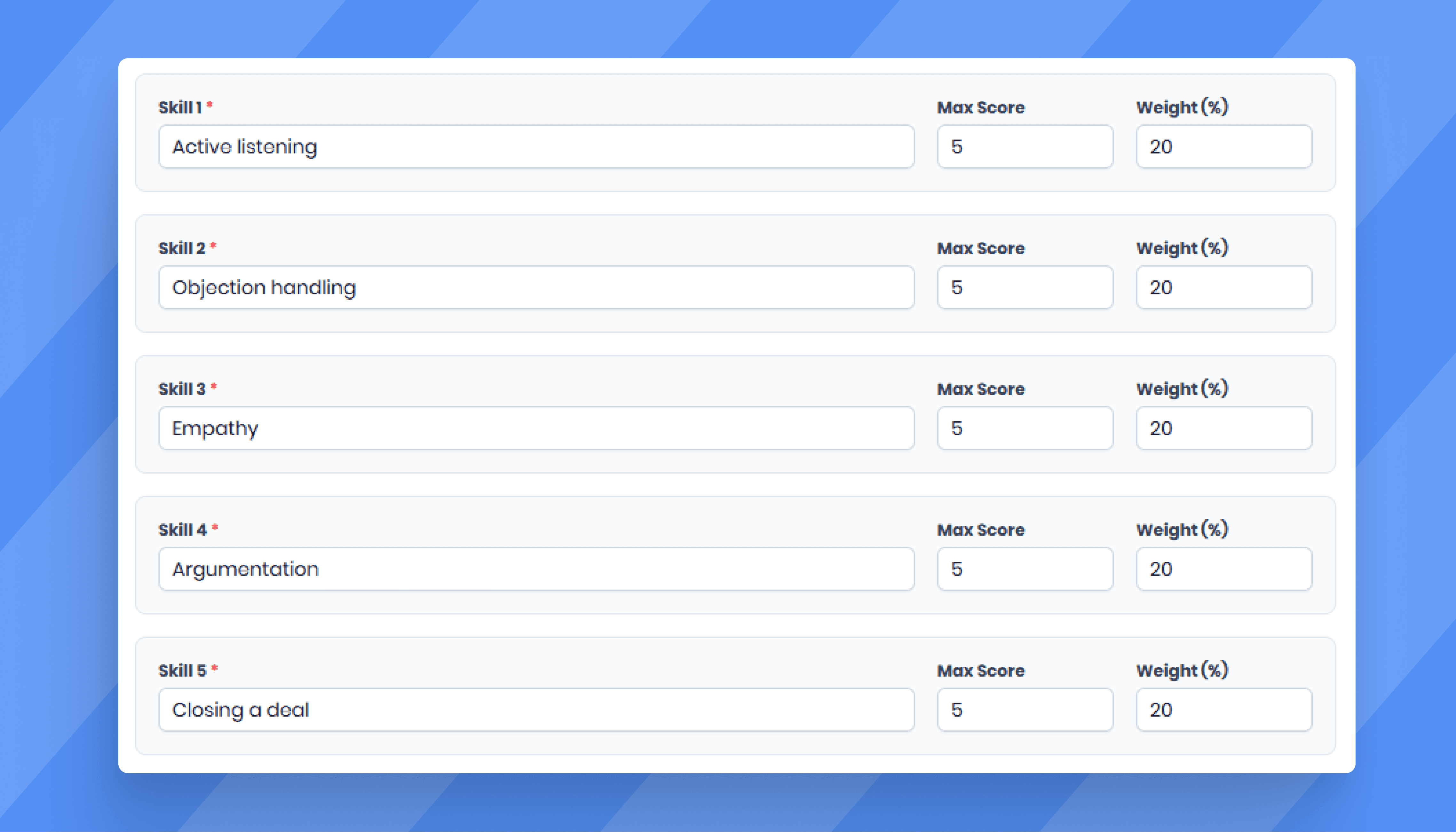
At Deelan, active listening can be built directly into AI roleplays and coaching programs. Sales leaders can define it as an evaluation criterion.

The exercises below are designed for exactly that purpose. Some can be used during team coaching sessions. Others work well for self-review. Together, they help build the habit that separates average discovery calls from the conversations buyers actually remember.
Key Takeaways
The most valuable information in a discovery call often appears after the first answer.
Strong listeners follow interesting signals instead of rigidly following a script.
Active listening can be practiced and measured just like objection handling or discovery.
Small habits such as summarizing, pausing, and asking one more question often reveal more than asking five new questions.
Roleplay remains one of the fastest ways to improve listening because it creates realistic conversations without risking live opportunities.
The 9 Exercises for better active listening
Exercise | Focus |
|---|---|
The Three-Second Pause | Patience |
Summarize Before Moving On | Understanding |
Ask One More Question | Curiosity |
Follow the Emotion | Buyer Signals |
The No-Pitch Discovery Call | Discipline |
Repeat and Expand | Follow-Up Skills |
Fact vs Assumption | Interpretation |
Review Your Calls | Self-Awareness |
Roleplay Under Pressure | Real-World Practice |
1. The Three-Second Pause
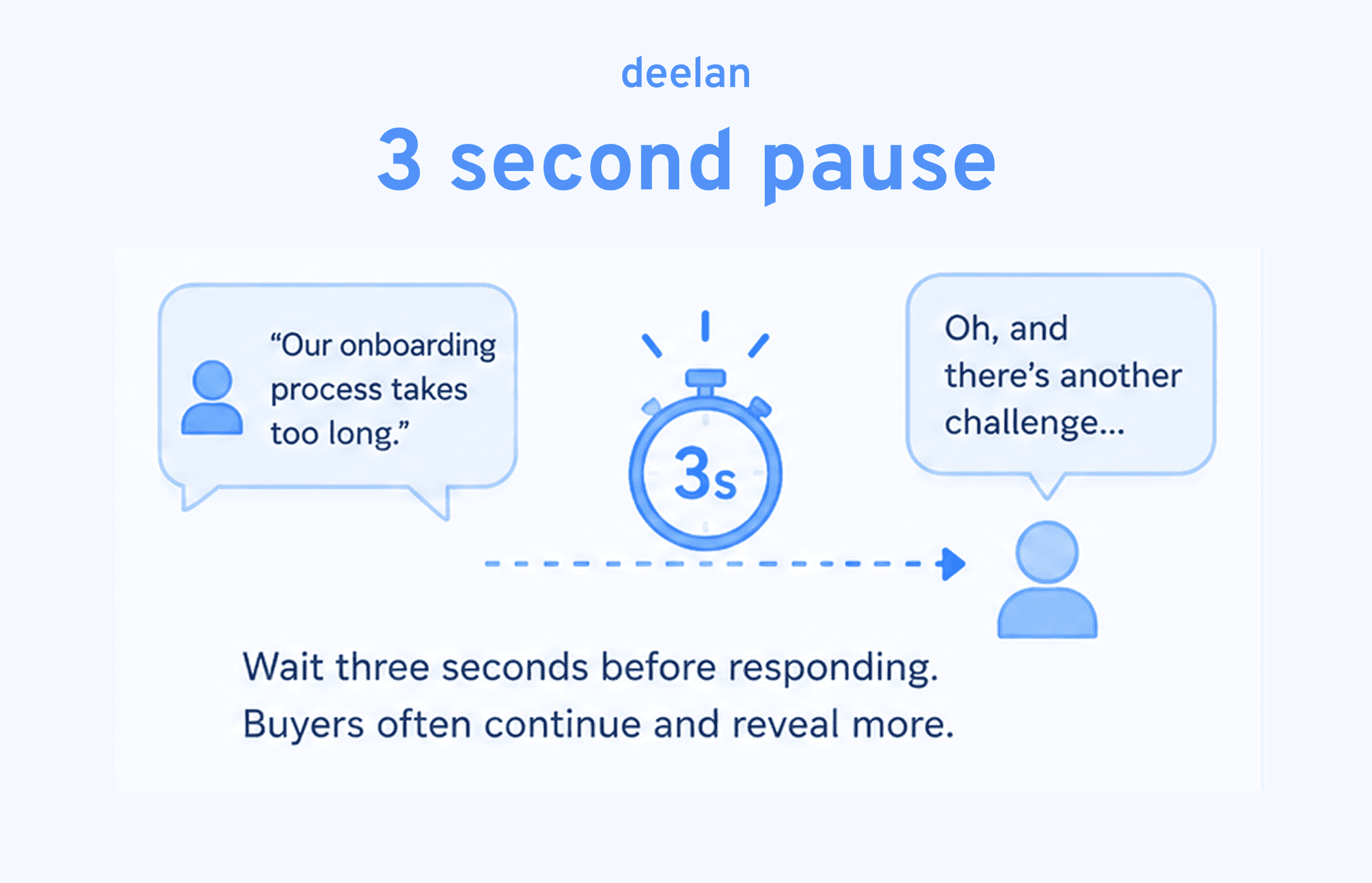
Most reps are uncomfortable with silence. The moment a buyer finishes speaking, they jump to the next question or start explaining their solution.
Try waiting three seconds before responding.
It feels longer than it actually is. Buyers often continue speaking during that pause and reveal information they hadn't planned to share.
Use this exercise during your next discovery call and pay attention to what happens after the silence.
2. Summarize Before Moving On
Before changing topics, summarize what you heard.
For example:
"If I understand correctly, onboarding delays are creating extra work for managers and slowing down ramp time. Is that accurate?"
This forces you to process what was said rather than simply waiting for your turn to speak.
It also gives the buyer an opportunity to clarify, correct, or expand on their point.
3. Ask One More Question
Many reps stop too early.
They hear a challenge, write it down, and move forward.
The next time you identify a pain point, ask one more question before changing direction.
If a prospect says:
"Our onboarding process takes too long."
Instead of moving on, ask:
"What's the biggest impact of that?"
The first answer gives you the problem. The second answer often gives you the business case.
4. Follow the Emotion
Buyers rarely announce their biggest concerns directly.
What they do reveal are emotional signals hidden inside their language.
Pay attention when prospects use words like:
Frustrating
Risky
Slow
Manual
Difficult
Unpredictable
These words often point toward deeper issues worth exploring.
The goal isn't to become a psychologist. It's to notice where the buyer's energy changes and investigate why.
5. The No-Pitch Discovery Call
This exercise is simple.
Run a practice discovery call where you're not allowed to mention your product.
Not once.
The objective is to understand the buyer's world as deeply as possible.
Many reps discover how often they rush toward solution mode before they've fully understood the problem.
6. Repeat and Expand
When a buyer shares something important, repeat part of it back.
Buyer:
"We're struggling with adoption."
Rep:
"Struggling with adoption?"
This encourages the buyer to continue and often leads to more detailed explanations.
It's one of the simplest techniques in sales and one of the most effective.
7. Separate Facts From Assumptions
After a discovery call, create two columns.
Facts | Assumptions |
What the buyer explicitly said | What you inferred |
Many salespeople are surprised by how much of their understanding falls into the second column.
This exercise helps identify where listening ends and assumption begins.
8. Review Your Calls
Listening is difficult to evaluate in real time.
That's why call reviews remain valuable.
Choose one recent discovery call and look for:
Questions you could have explored further
Moments where you interrupted
Signals you ignored
Assumptions you made
You don't need to review every call.
One thoughtful review per week is often enough to uncover recurring patterns.

9. Practice Active Listening Under Pressure
Training programs have used roleplay for years because it creates realistic conversations where participants can practice and receive feedback.
The challenge is consistency.
Most managers don't have time to run listening-focused coaching sessions every week.
With Deelan, sales teams can create AI-powered roleplays around discovery calls, demos, objection handling, or qualification conversations. Active listening can be evaluated alongside other core sales competencies, with feedback provided after every session.
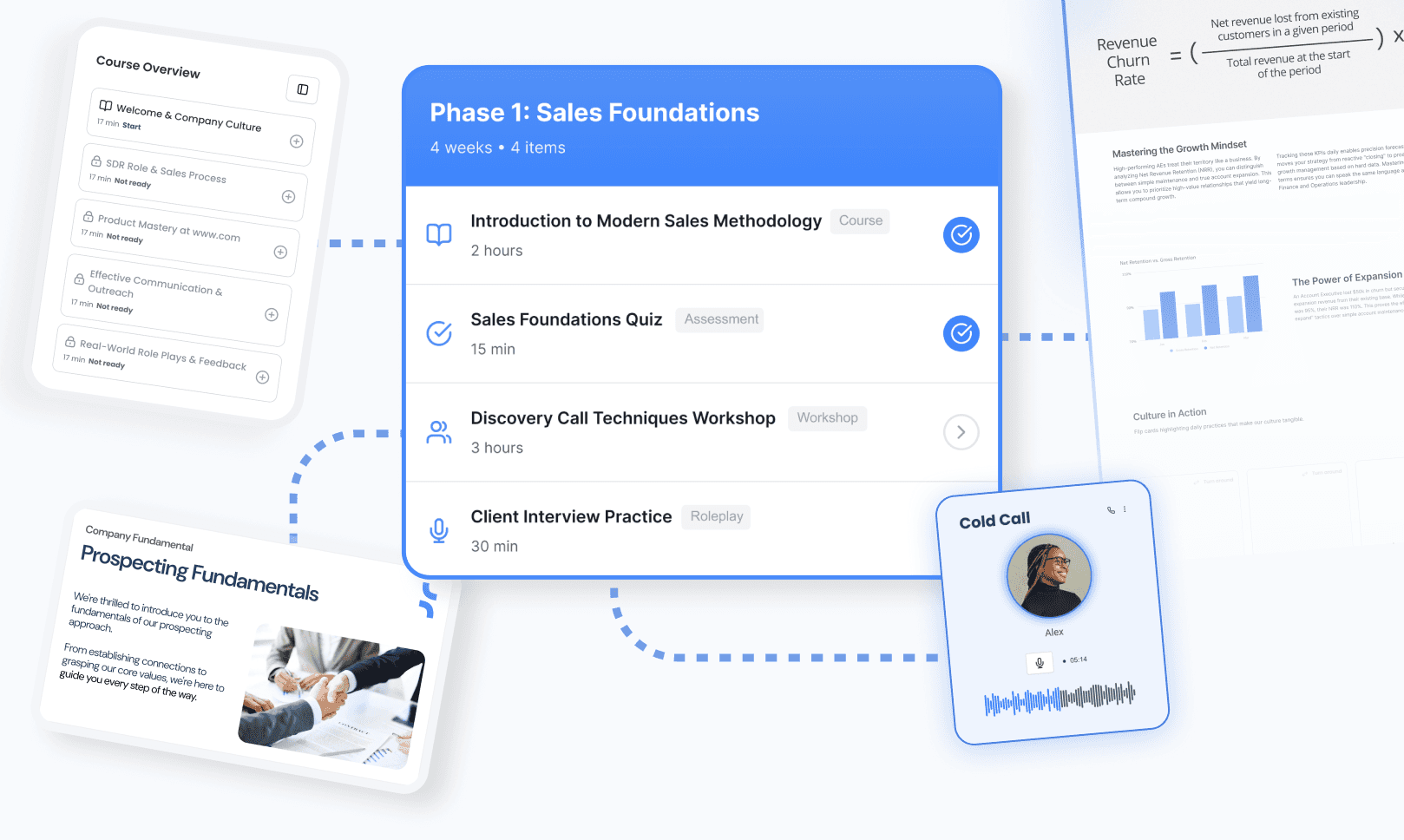
For teams looking to improve listening skills, Deelan Academy includes free roleplays such as:
You can explore the Academy for free.
The Best Discovery Question Is Often the One You Ask Second
Most sales teams spend significant time improving their questions.
The stronger opportunity is often improving what happens after the answer.
The reps who consistently uncover better information aren't necessarily asking more questions. They're staying with the right answers longer.
That's what active listening looks like in practice.
Not perfect note-taking.
Not waiting quietly while someone speaks.
Just genuine curiosity combined with the discipline to follow a conversation where it naturally wants to go.