
B2B sales teams have more software than ever: tools to find prospects, enrich contact data, automate outreach, record calls, update the CRM, forecast revenue, research accounts, coach reps, and build training.
A good sales stack should help your team do six things better: find the right buyers, start conversations, manage opportunities, understand what happens on calls, improve rep performance, and ultimately close more revenue.
Here are 15 B2B sales tools worth looking at in 2026.
Quick comparison
Tool | Category | Best for |
|---|---|---|
Sales training & enablement | Turning real sales gaps into training and practice | |
HubSpot Sales Hub | CRM | Growing B2B teams wanting an all-in-one platform |
Salesforce | CRM | Complex and enterprise sales organizations |
Apollo | Prospecting & outreach | Finding prospects and running outbound |
LinkedIn Sales Navigator | Prospect research | Finding decision-makers and mapping accounts |
Clay | GTM data & enrichment | Building highly targeted prospecting workflows |
ZoomInfo | Sales intelligence | Large teams needing deep B2B data |
Outreach | Sales engagement | Scaling structured sales execution |
Gong | Conversation intelligence | Understanding calls, deals, and sales behavior |
Attention | Sales call automation | Automating notes, CRM updates, and follow-ups |
Lavender | Email coaching | Improving outbound sales emails |
Fireflies | Meeting intelligence | Capturing and summarizing sales meetings |
Storylane | Interactive demos | Letting prospects experience your product |
ChatGPT | Sales productivity | Writing, preparation, brainstorming, and analysis |
Perplexity | Research | Fast account, market, and industry research |
1. Deelan — best for sales training and rep performance

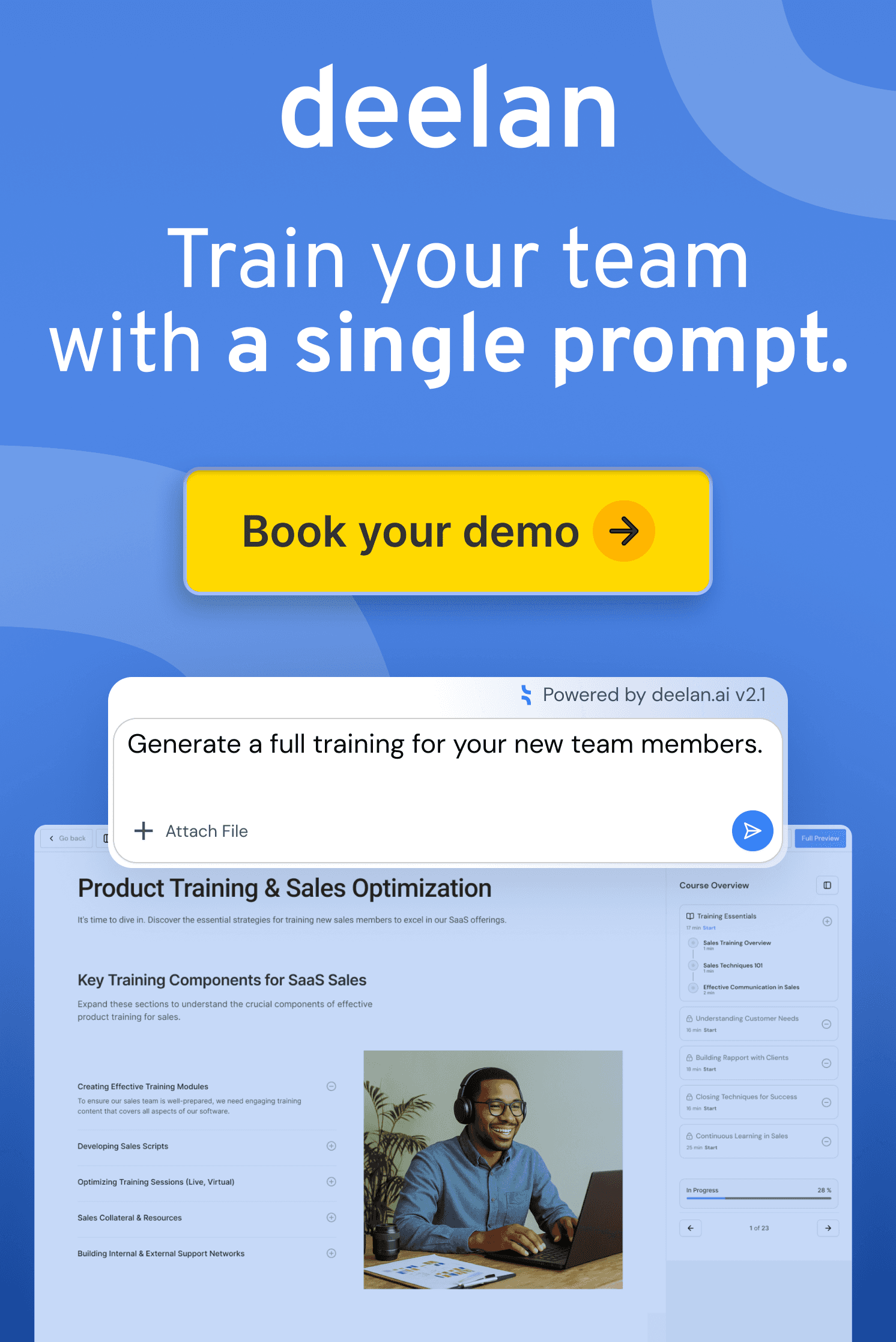
Deelan connects sales calls, playbooks, product knowledge, processes, and performance data to training.
It can identify where individual reps are struggling and turn those gaps into the appropriate training format.
A missed objection can become an AI roleplay. Weak discovery structure can become a course. A problem affecting the whole team can become a broader training program.
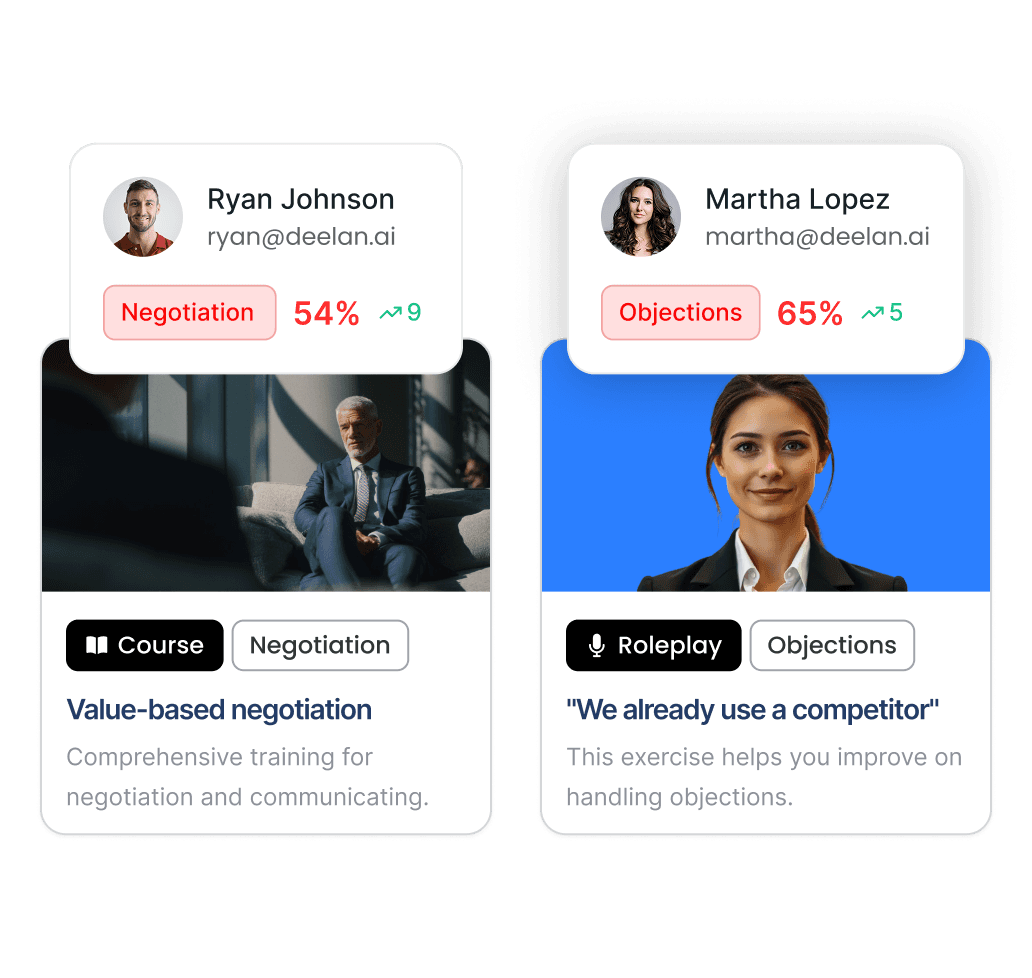
Training then adapts according to the rep's role, seniority, results, and current skill gaps rather than giving everyone the same material. Teams can use courses, AI roleplays, assessments, coaching, workshops, and programs from the same platform.
That makes Deelan particularly useful for onboarding, methodology adoption, objection handling, discovery, product knowledge, and continuous sales coaching.
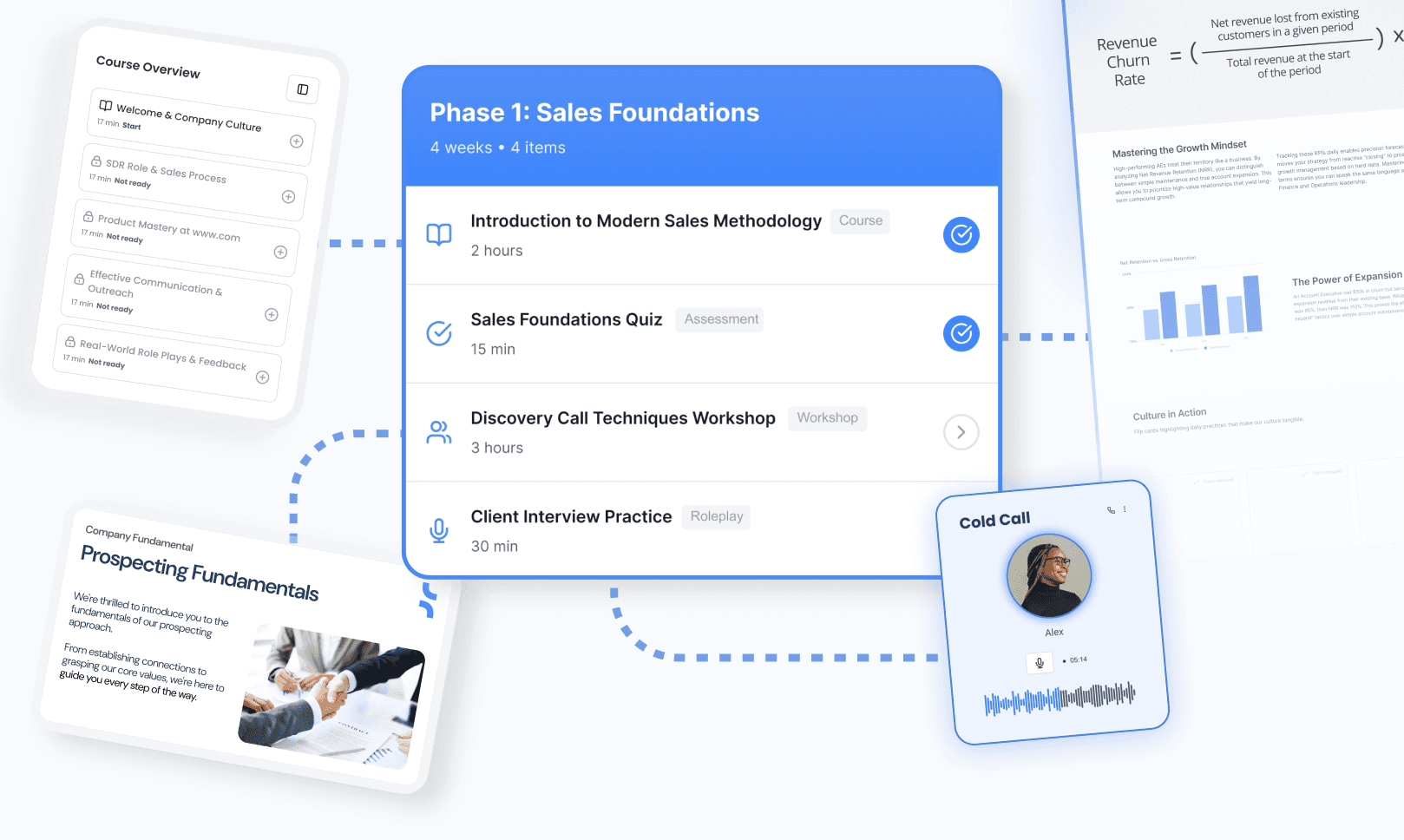
Best for: B2B sales leaders, enablement teams, RevOps, SDRs and AEs that want to connect training to actual sales performance.
One Deelan customer, Kidola, reports reducing sales ramp time by more than 30%.
Want to turn your calls and playbooks into personalized sales training?
2. HubSpot Sales Hub — best all-in-one CRM for growing teams
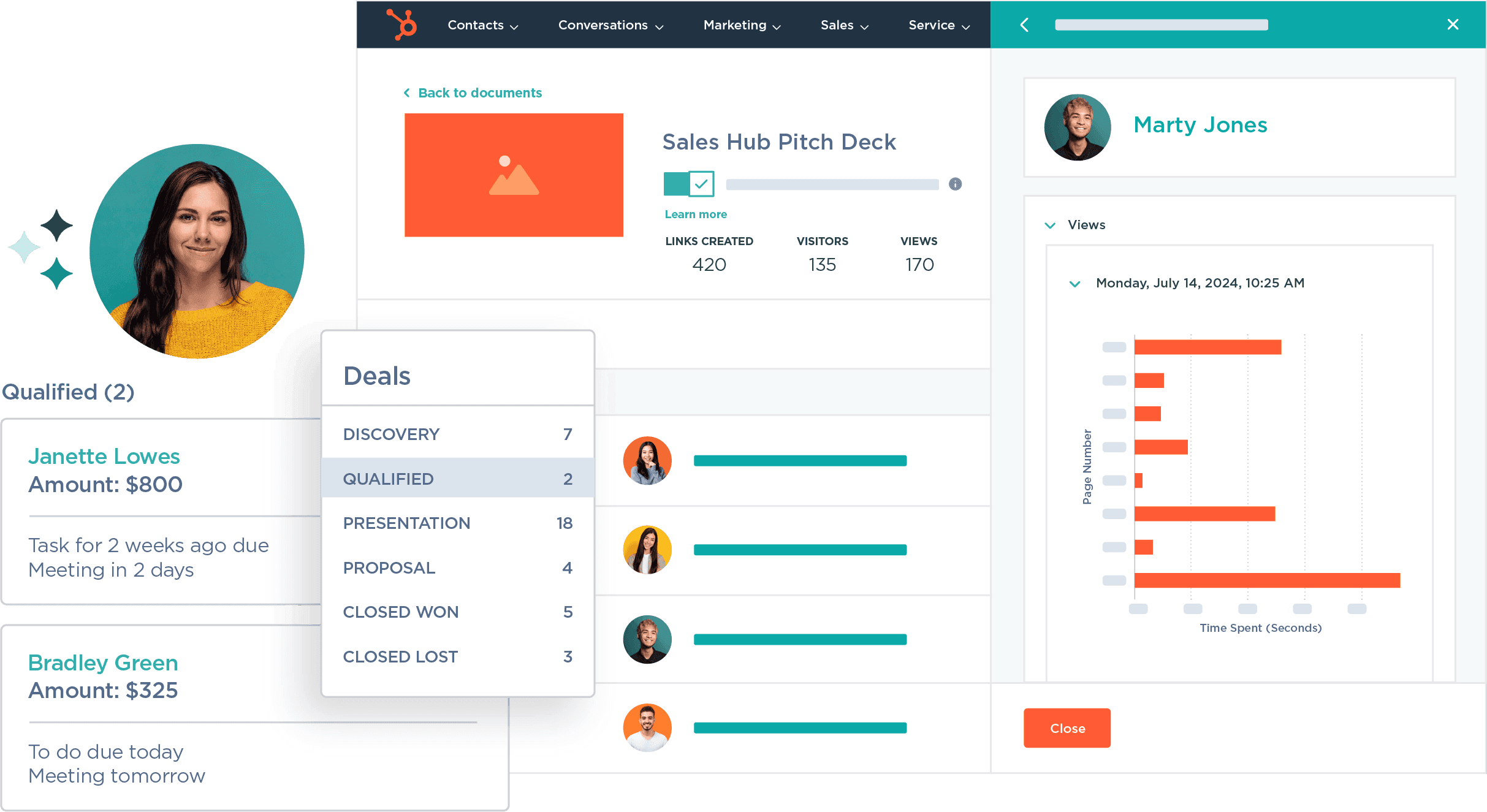
HubSpot remains one of the easiest ways for a growing B2B team to combine CRM, pipeline management, prospecting, automation, meetings, forecasting, and reporting.
Its Sales Hub has expanded considerably around AI, including guided selling, prospecting assistance, buying signals, meeting preparation, CRM updates, and suggested next actions.
The main advantage is consolidation. Rather than building separate systems for every part of the sales process, smaller and mid-market teams can run a large portion of their workflow inside HubSpot.
Best for: startups and mid-market companies that want CRM plus sales automation without a heavy enterprise implementation.
3. Salesforce — best for complex B2B sales organizations
Salesforce remains the obvious CRM candidate when the sales organization becomes large, complex, or highly customized.
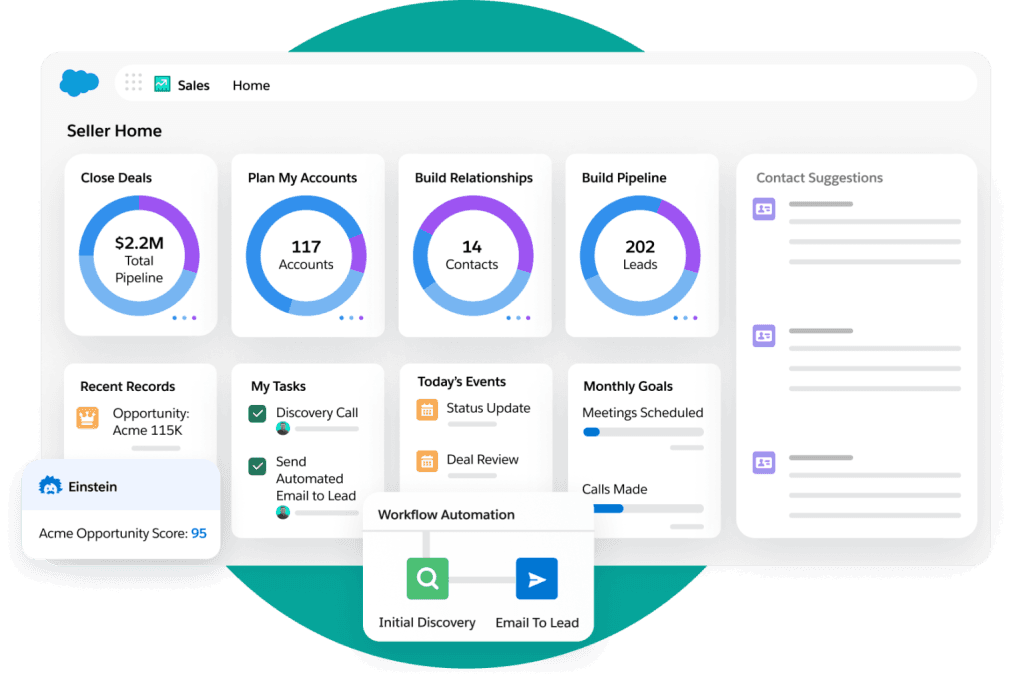
Sales Cloud is now branded as Agentforce Sales, with AI agents, automation, pipeline management, analytics, forecasting, sales engagement, and conversation intelligence increasingly integrated into the platform.
Its biggest strength is flexibility. Its biggest weakness is also flexibility: getting the most from Salesforce generally requires stronger operations, implementation, and administration than lighter CRMs.
Best for: mid-market and enterprise teams with sophisticated processes and dedicated RevOps resources.
4. Apollo — best for prospecting plus outbound
Apollo combines B2B contact data with prospecting and sales engagement.
Reps can search for prospects, build lists and move them directly into outreach sequences instead of switching between a database and a separate sequencing platform.
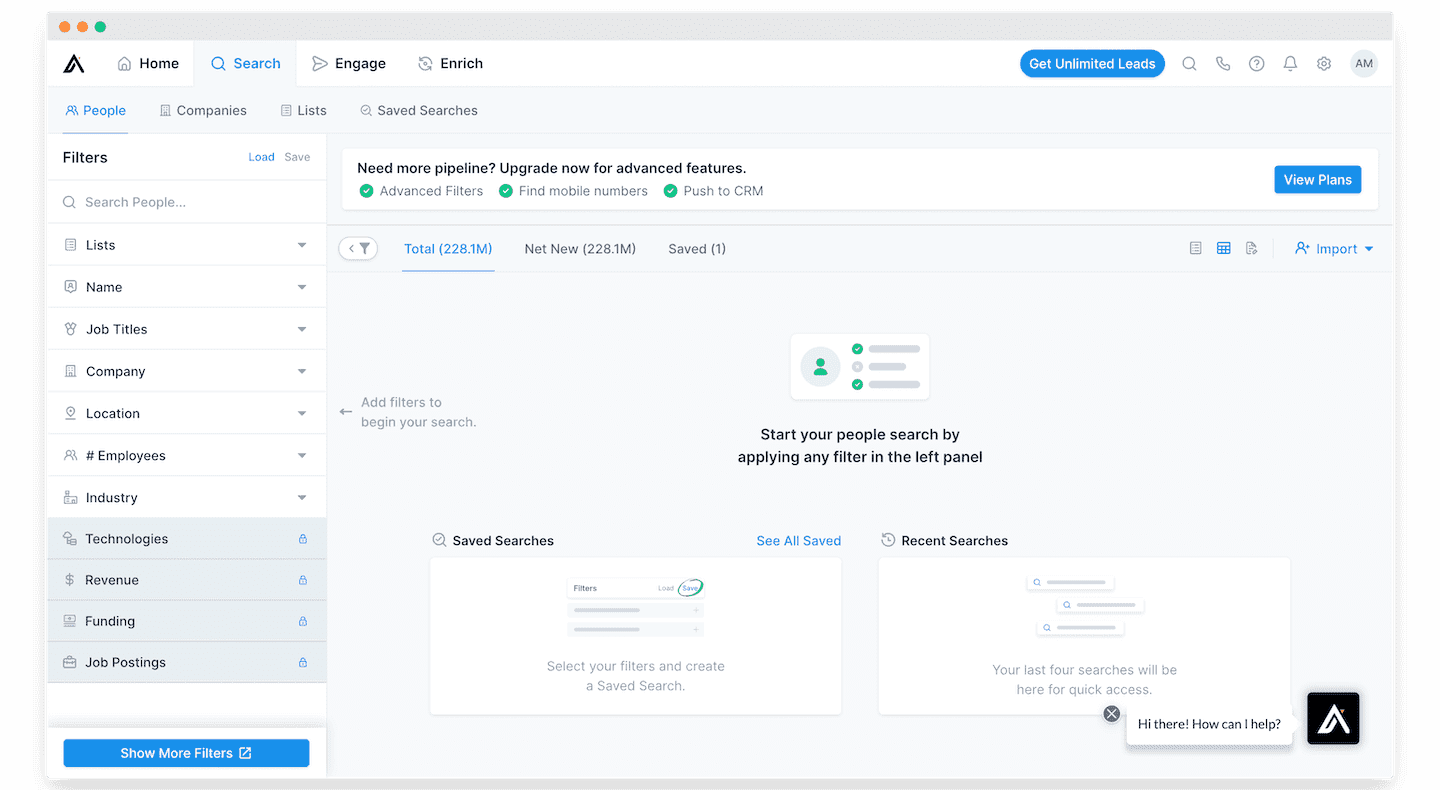
Apollo supports multichannel sequences combining automated emails with calls, LinkedIn activity, and other tasks, and its AI can help generate and refine outreach workflows.
Best for: founders, SDR teams, growth teams, and companies that want to get an outbound motion running quickly.
5. LinkedIn Sales Navigator — best for finding the right people
For B2B selling, LinkedIn remains difficult to avoid.
Sales Navigator makes LinkedIn significantly more useful for sales teams through advanced search, saved accounts, lead recommendations, alerts, account maps, buyer signals, and tools for identifying relationships inside target companies.
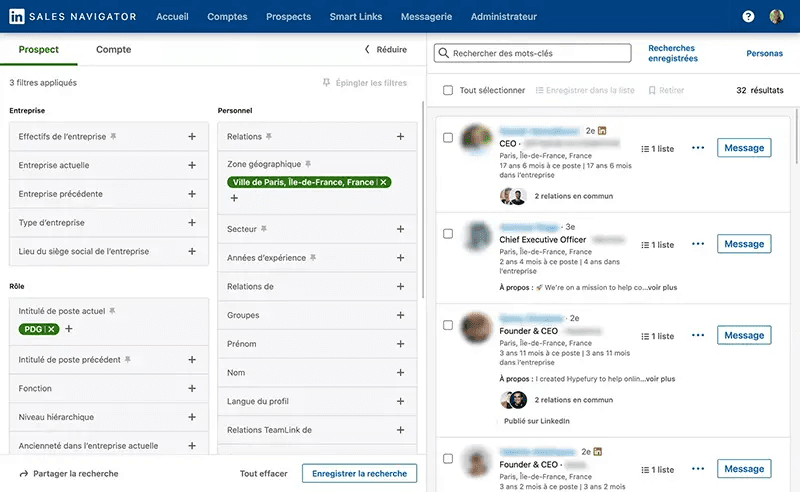
It becomes particularly useful in deals involving several stakeholders, where simply finding one contact is not enough.
Best for: account executives, SDRs and account-based sales teams that need to identify decision-makers and multi-thread accounts.
6. Clay — best for sophisticated GTM workflows
Clay has evolved far beyond a simple enrichment tool.
Teams can combine multiple data providers, enrichment, AI research, first-party data and signals such as job changes, hiring, funding, website intent or product activity. Those signals can then trigger workflows and outbound actions.
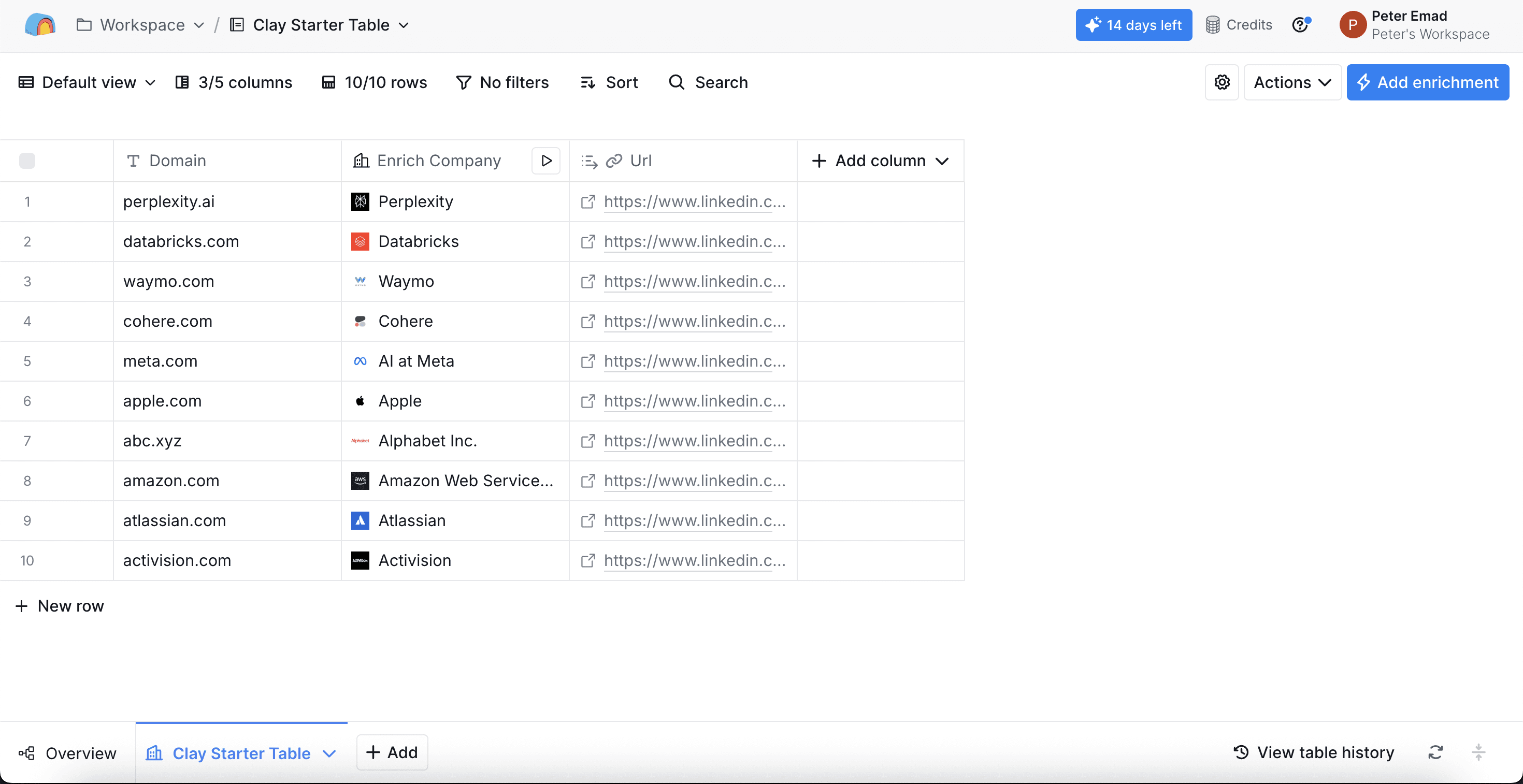
In September 2026, Clay also launched its own Sequencer, bringing enrichment, signals and cold outbound closer together inside the same ecosystem.
The trade-off is that flexibility requires someone who understands GTM operations.
Best for: RevOps, GTM engineers and sophisticated outbound teams.
7. ZoomInfo — best for enterprise sales intelligence
ZoomInfo combines company and contact data with enrichment, intent, organizational information and broader go-to-market intelligence.
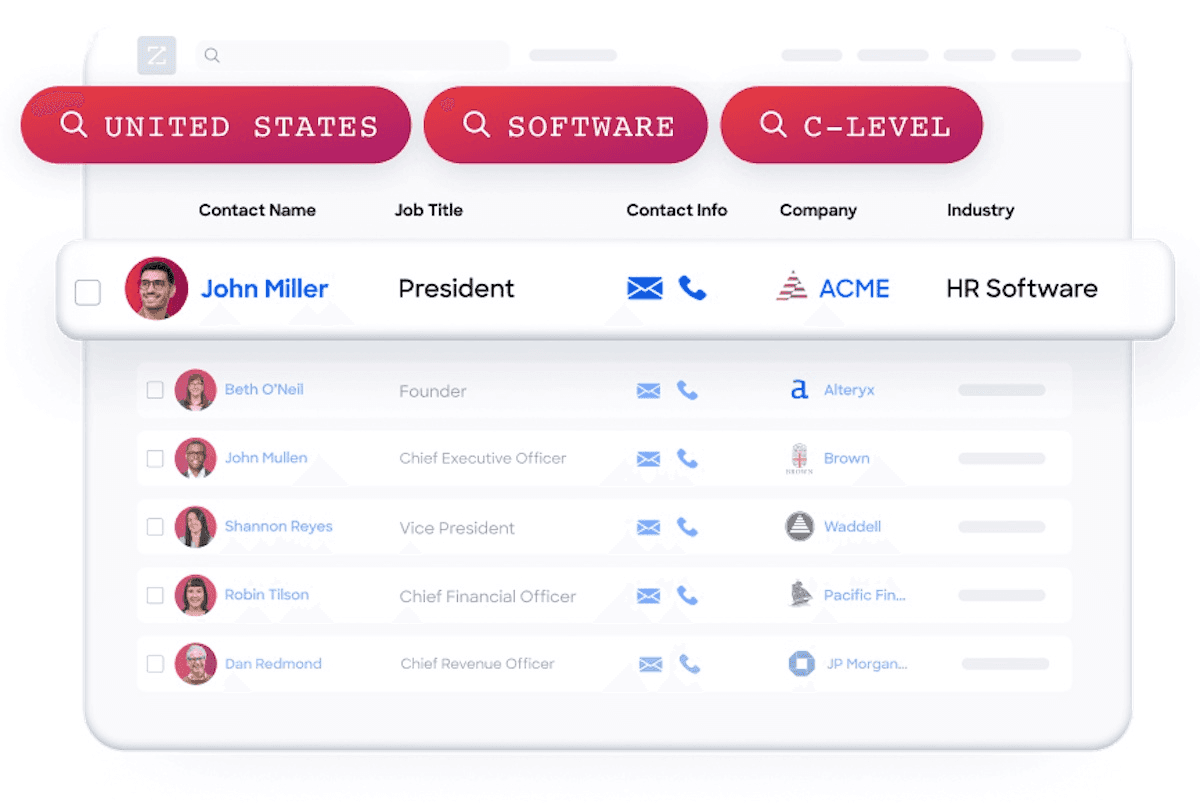
It is particularly useful when a company needs one large data layer feeding prospecting, CRM and account prioritization across a sizable revenue organization.
The trade-off is that it can be more platform—and more investment—than a small sales team actually needs.
Best for: mid-market and enterprise organizations with dedicated sales operations.
8. Outreach — best for structured sales execution
Outreach started with sales engagement but now covers a much broader part of execution.
Its platform spans sequences, deal management, conversation intelligence, rep coaching, pipeline management and forecasting.
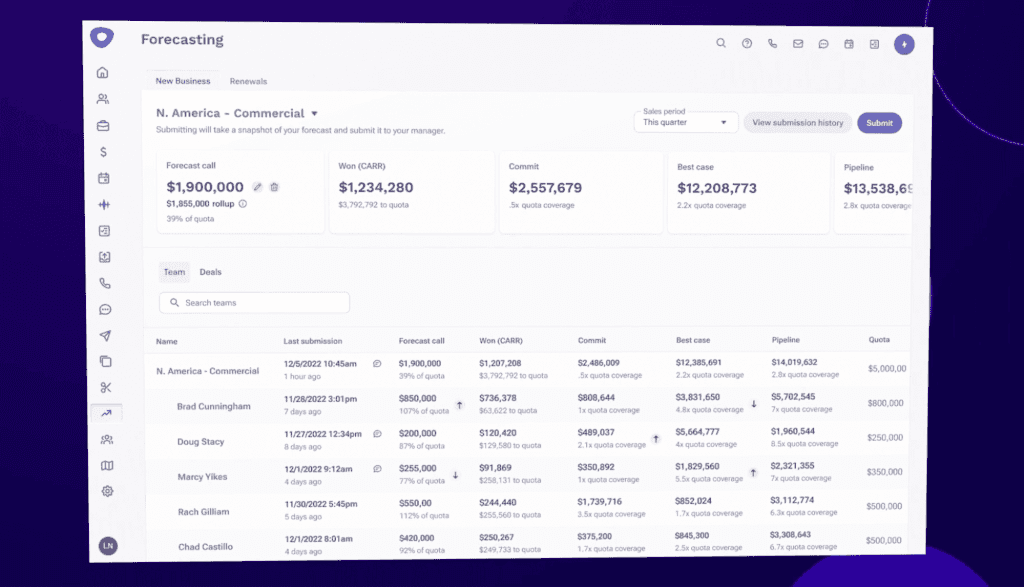
That makes it useful when the challenge is no longer simply sending outreach but creating a standardized operating system for how a larger team generates and manages pipeline.
Best for: established B2B sales teams running structured outbound and pipeline processes.
9. Gong — best for understanding what happens in sales conversations
Gong captures customer interactions and turns them into usable revenue intelligence.
Teams use it to analyze conversations, identify deal risks and buying signals, understand rep behavior, automate summaries and CRM updates, and coach sellers based on what is actually happening with customers.
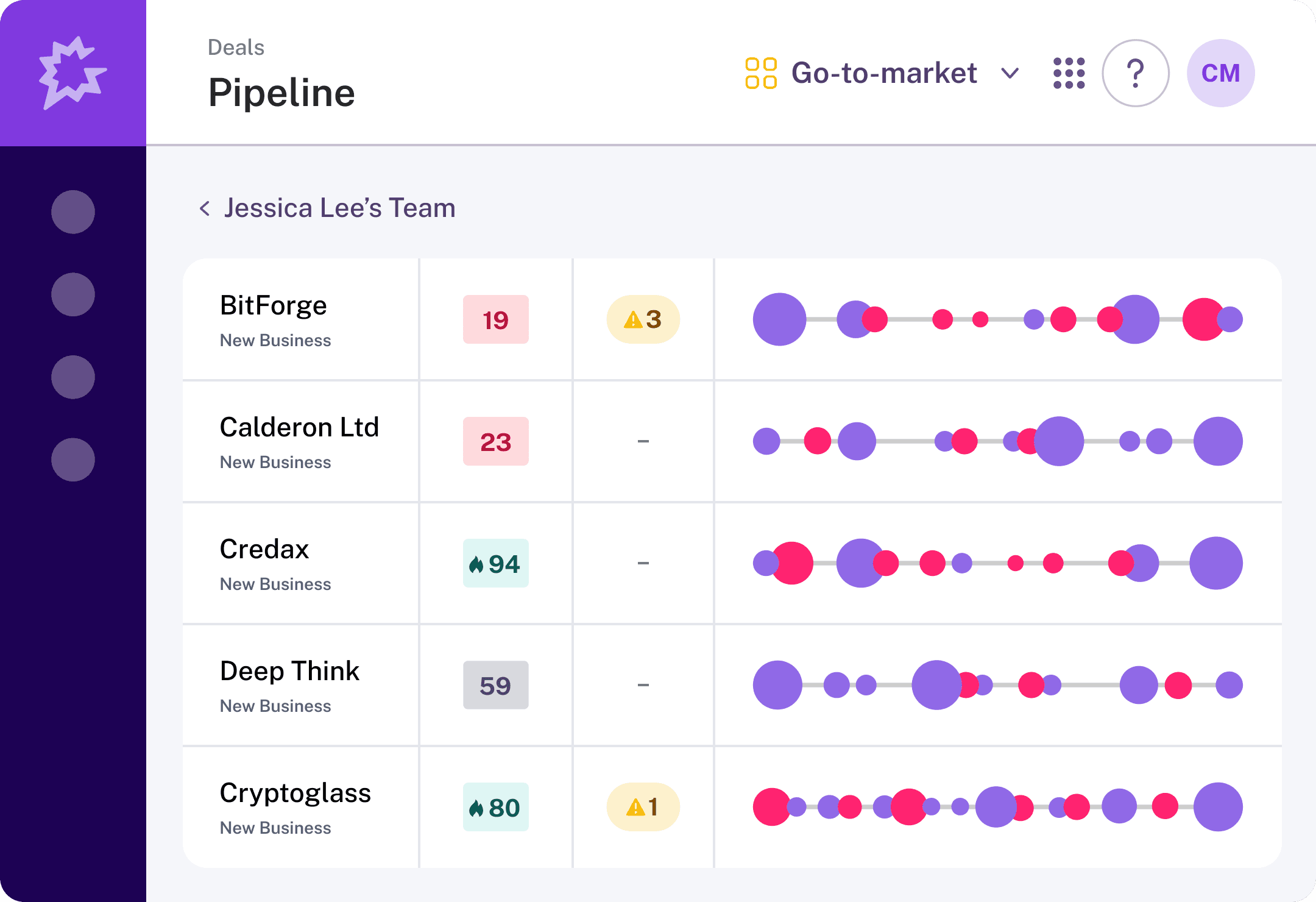
In 2026, Gong also expanded further into enablement with Gong Enable, bringing training and coaching closer to its existing conversation data.
Best for: sales organizations with enough call volume to benefit from systematic conversation and deal analysis.
10. Attention — best for reducing post-call admin
Attention focuses heavily on the work surrounding a sales conversation.
It can take notes, generate follow-up emails, update CRM fields and provide call coaching and scorecards.
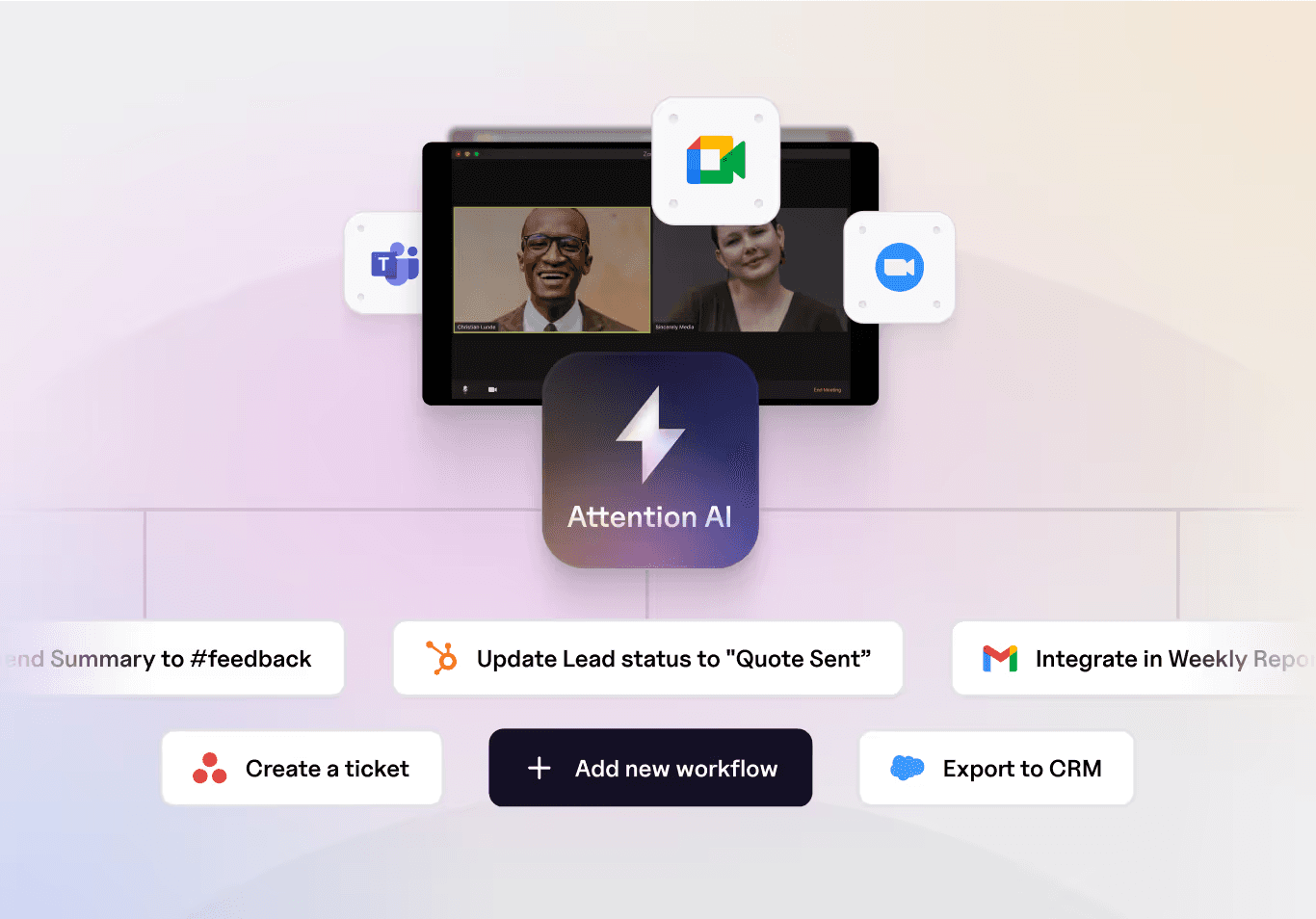
That makes it particularly valuable when reps spend too much time after every meeting transferring information into Salesforce or HubSpot instead of progressing deals.
Best for: teams looking to automate CRM hygiene and repetitive post-call work.
11. Lavender — best for better outbound emails
Lavender works directly inside the seller's email workflow.
Instead of simply generating another cold email, it analyzes and coaches the message: personalization, structure, readability, recipient context and factors that may affect replies.
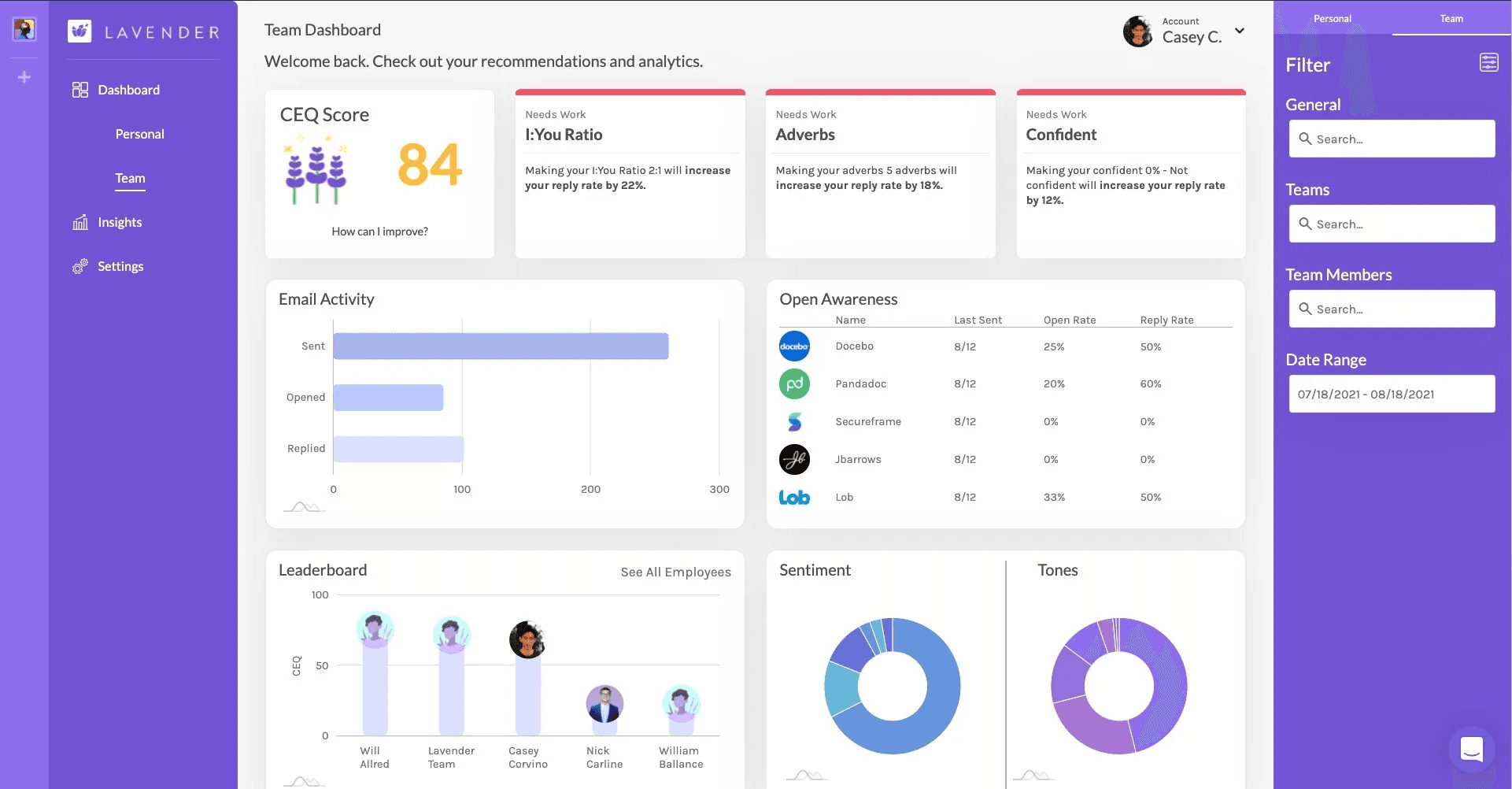
That makes it more useful as an email coaching tool than as another generic AI writer.
Best for: SDR and outbound teams where email remains a major pipeline channel.
12. Fireflies — best for meeting notes and follow-up automation
Fireflies has grown from transcription into a broader post-meeting sales assistant.
For sales teams, it can capture meetings, create summaries and action items, draft follow-ups, and send information back into CRMs such as HubSpot, Salesforce, Dynamics and Attio.

It is lighter than platforms such as Gong, which can be exactly what smaller teams need.
Best for: lean teams that primarily want reliable meeting capture and automation.
13. Storylane — best for interactive product demos
Not every product demonstration needs another 45-minute calendar slot.
Storylane lets B2B companies create interactive product demos that prospects can explore themselves. Teams can build screenshot-, video-, or HTML-based experiences, customize them and personalize elements for different prospects.
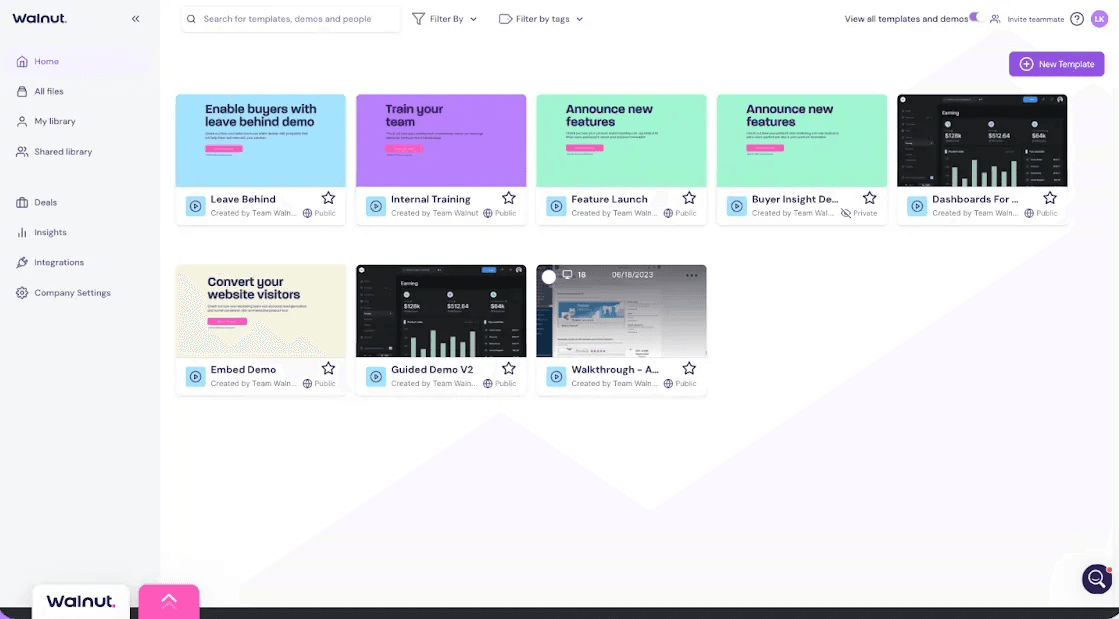
It can be useful before a meeting, after a demo, or as part of outbound campaigns.
Best for: SaaS companies with products that are easier to sell once prospects actually see them.
14. ChatGPT — best general-purpose sales assistant
ChatGPT can sit across almost every stage of a rep's workflow.
It can help prepare for meetings, research accounts, summarize information, generate questions, improve emails, build call plans, analyze notes, prepare objection responses, and brainstorm messaging.
Its usefulness depends heavily on the context you give it. Generic prompts produce generic sales content; good company, buyer and deal context makes it considerably more useful.
Best for: almost every B2B seller as a flexible productivity layer.
15. Perplexity — best for fast sales research
Perplexity is particularly useful when you need to get up to speed on a company, market or topic quickly.
Before an important sales conversation, a rep can research recent company developments, competitors, industry changes, terminology, executives or relevant market information without manually opening dozens of search results.
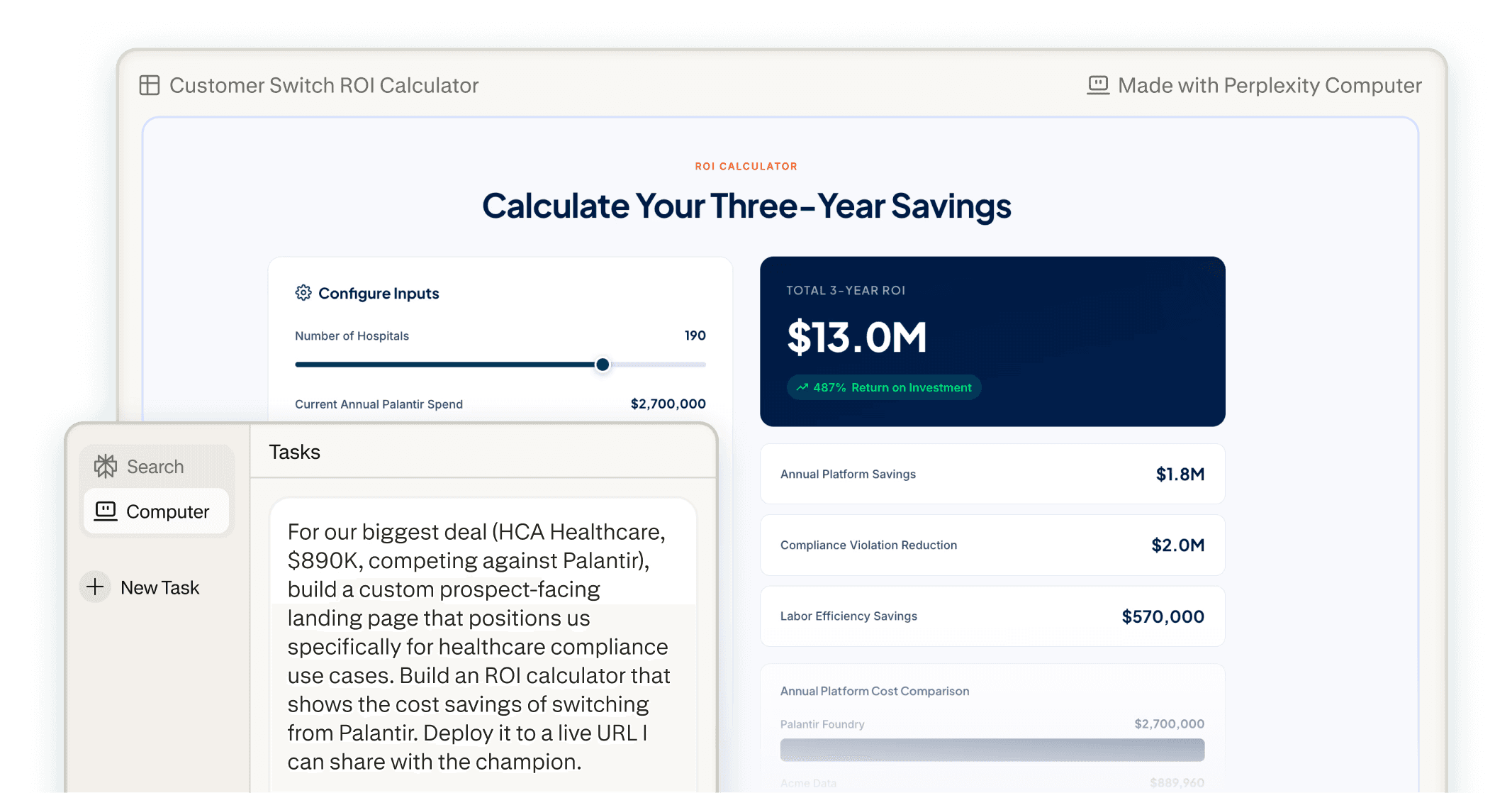
It works best alongside CRM and prospecting data rather than replacing them.
Best for: account research, meeting preparation and complex B2B sales.
Build a sales stack that improves performance
The goal is not to automate every possible activity. It is to remove repetitive work where software does it better, give sellers better context when humans need to make decisions, and continuously improve the skills that still determine whether a conversation turns into revenue.
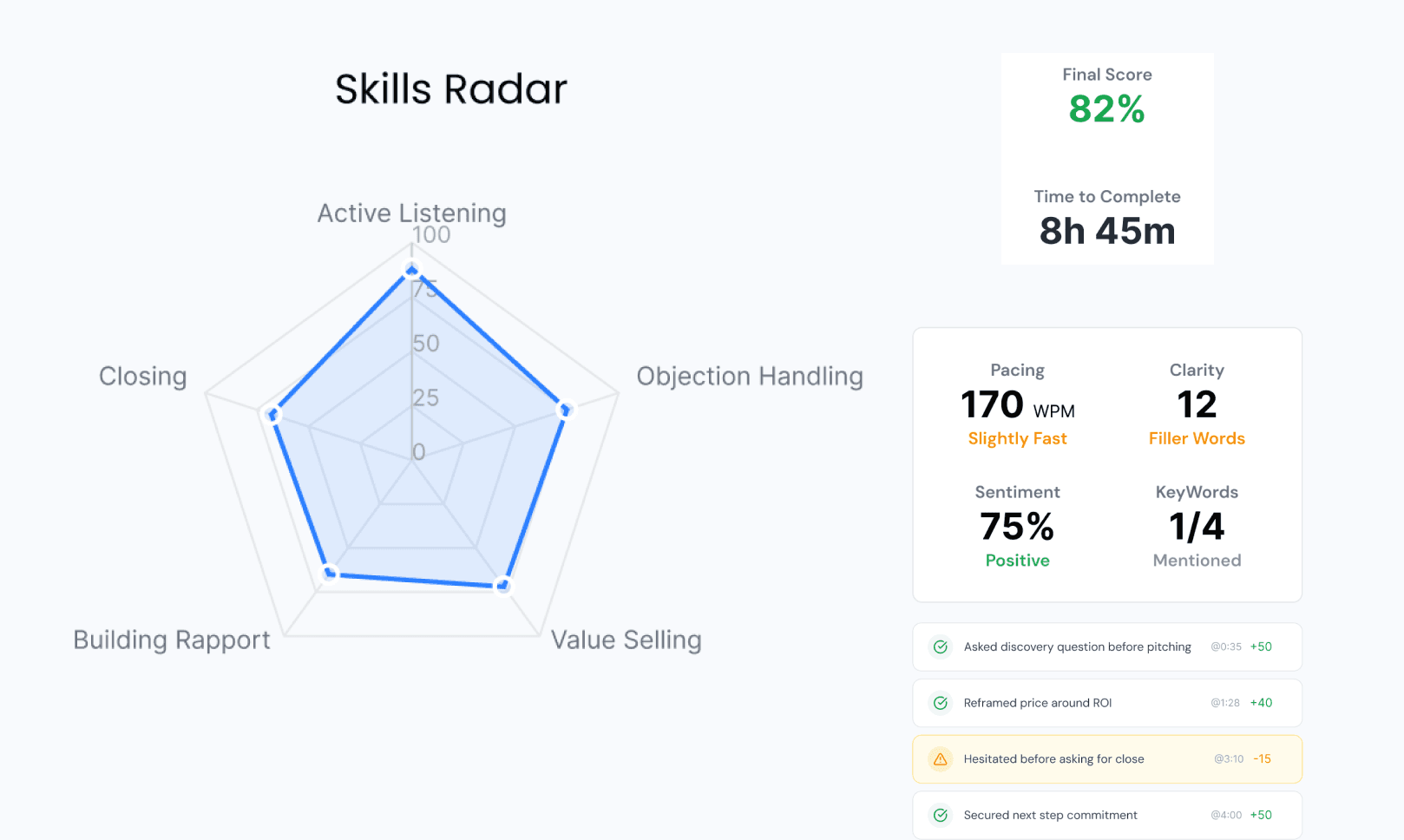
Connect your calls, playbooks and sales knowledge. Find the gaps. Turn them into personalized courses, roleplays, assessments and coaching. Then track whether each rep is actually getting better.