
Phone call sales training is not just about teaching reps what to say, because most reps already have a script. They know the product deck. They have heard the usual advice: speak clearly, ask questions, handle objections, book the next step.
The problem usually starts when the call becomes real.
Want to train reps on real phone conversations before they speak with prospects?
Start a free trial or book a Deelan demo to see how AI roleplays, courses, and coaching paths can be built from your own playbooks in minutes.
What phone call sales training should actually improve
Reps should improve in areas like:
opening the call with confidence
earning attention quickly
asking useful discovery questions
listening without rushing to pitch
handling objections without sounding defensive
explaining value simply
controlling the pace of the call
asking for the next step clearly
recovering when the conversation goes badly
The best ways for reps to practice and improve their phone calls
Method | Good for | Limitation |
|---|---|---|
Scripts | Consistency | No practice |
Call recordings | Learning | Passive |
Manager coaching | Personalized | Doesn't scale |
Team learning | Happens occasionally | |
Daily practice | Requires good scenarios |
Phone calls are fast. A rep does not have five minutes to think about the perfect answer. They need practice that feels close to the real thing.
A manager can coach one rep after one call, but they cannot sit with every rep every day. A workshop can be useful, but the effect fades if there is no follow-up practice. A script gives structure, but it does not teach reps how to react when the buyer pushes back.
Call recordings are also useful, but they come after the real call. By then, the prospect has already heard the mistake.
Phone call sales training needs a practice layer.
The best phone call sales training combines knowledge and practice
First, reps need the foundation. They need to understand the product, ICP, messaging, competitors, qualification criteria, and common objections.
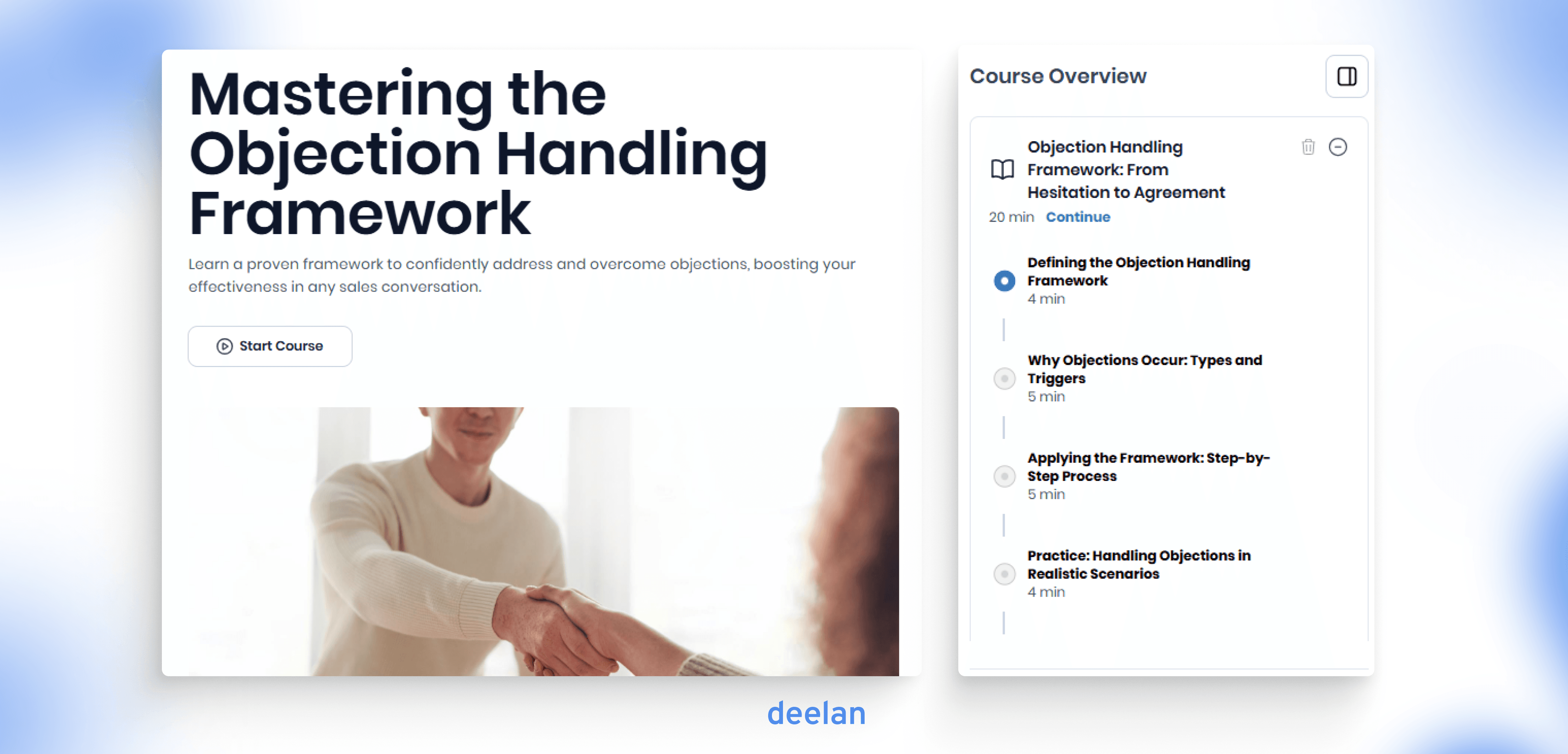
Second, they need to practice using that knowledge in a conversation.
Phone call scenarios every rep should practice
Cold call opening
The first seconds matter. Reps need to sound calm, relevant, and direct. They should practice earning attention without sounding robotic.
“Send me an email”
This is one of the most common objections. Reps need to know when to respect it, when to ask one more question, and how to avoid turning the call into a dead end.
Not interested
Many reps panic here. Good training helps them slow down, acknowledge the answer, and try to understand whether the prospect is truly not a fit or just busy.
Discovery call
Discovery is not a checklist. Reps need to ask questions, listen, follow up, and connect what they hear to a business problem.
Price objection
Reps often handle price too early. They need to practice moving the conversation back to value without avoiding the concern.
Competitor objection
The rep should not attack the competitor or overpromise. They need to understand what matters to the buyer and explain the difference clearly.
Next step
Many calls go well and still end with nothing booked. Reps need to practice asking for the meeting, demo, follow-up, or stakeholder introduction in a simple way.
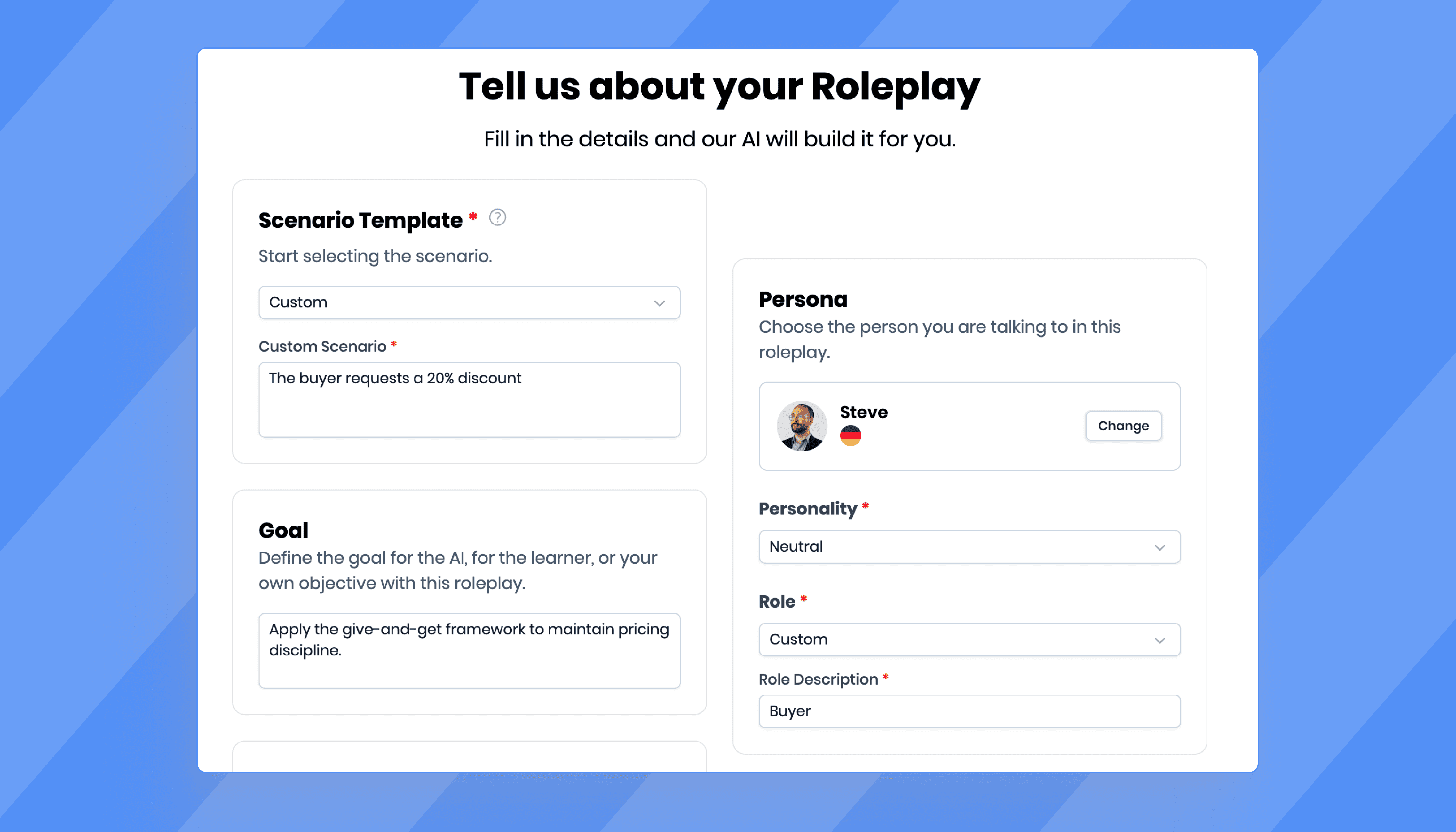
AI roleplay for phone call sales training
AI roleplay makes practice available whenever reps need it.
With Deelan AI Roleplays, teams can create realistic phone call simulations based on their own sales process. The AI buyer can be skeptical, rushed, confused, price-sensitive, technical, friendly, or difficult.
The rep speaks naturally. The AI responds in context. It can push back, ask follow-up questions, interrupt, hesitate, or challenge the value.
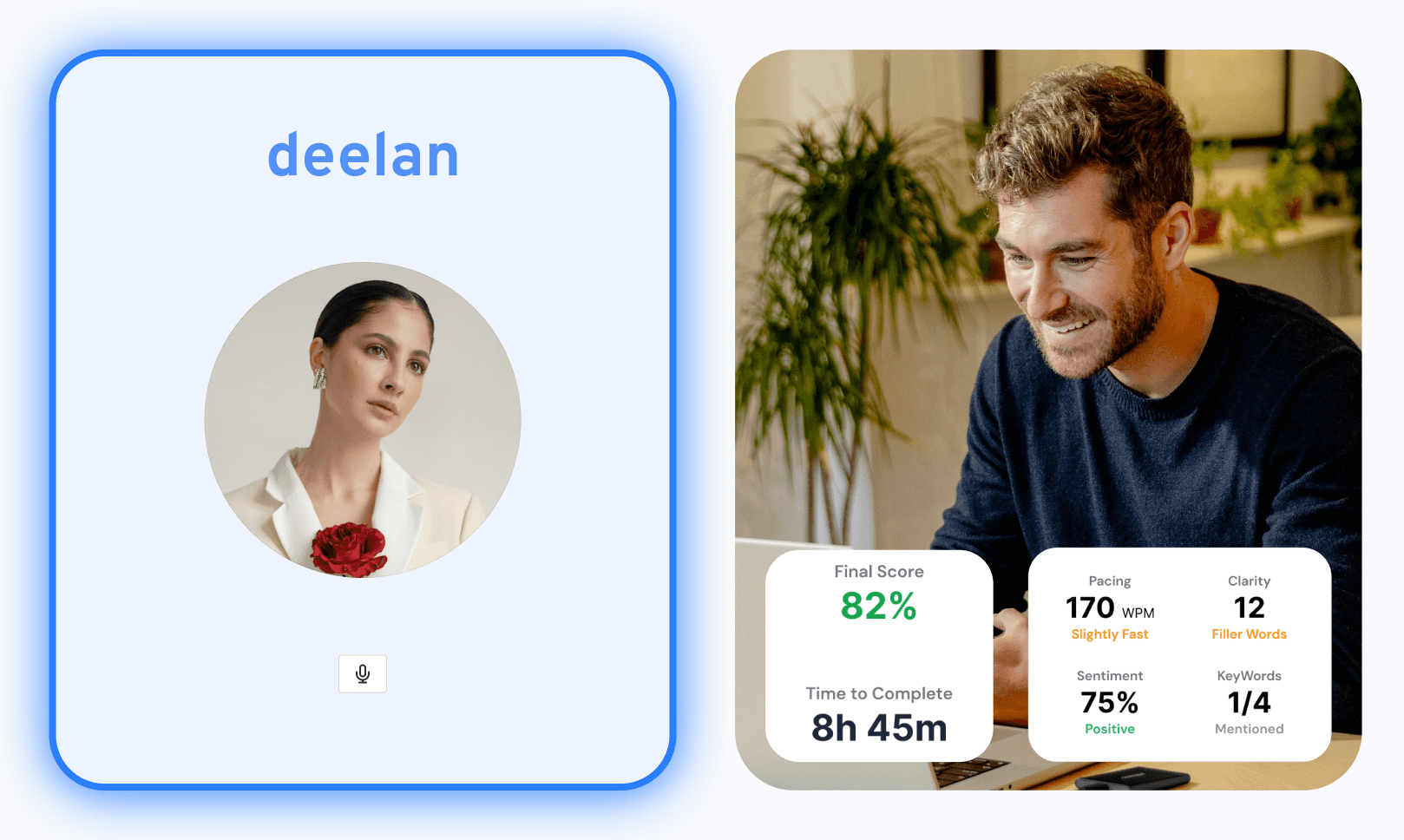
After the call, the rep gets feedback on what happened.
Not just “good job” or “be more confident.” Useful feedback on things like clarity, talk-to-listen ratio, question quality, objection handling, tone, confidence, and missed opportunities.
That makes practice easier to repeat. The rep can try again with one specific improvement instead of guessing what went wrong.
Build phone call sales training from your own playbooks
Teams can upload what they already have:
sales playbooks
call scripts
call recordings
product docs
battlecards
onboarding materials
objection sheets
demo notes
customer success notes
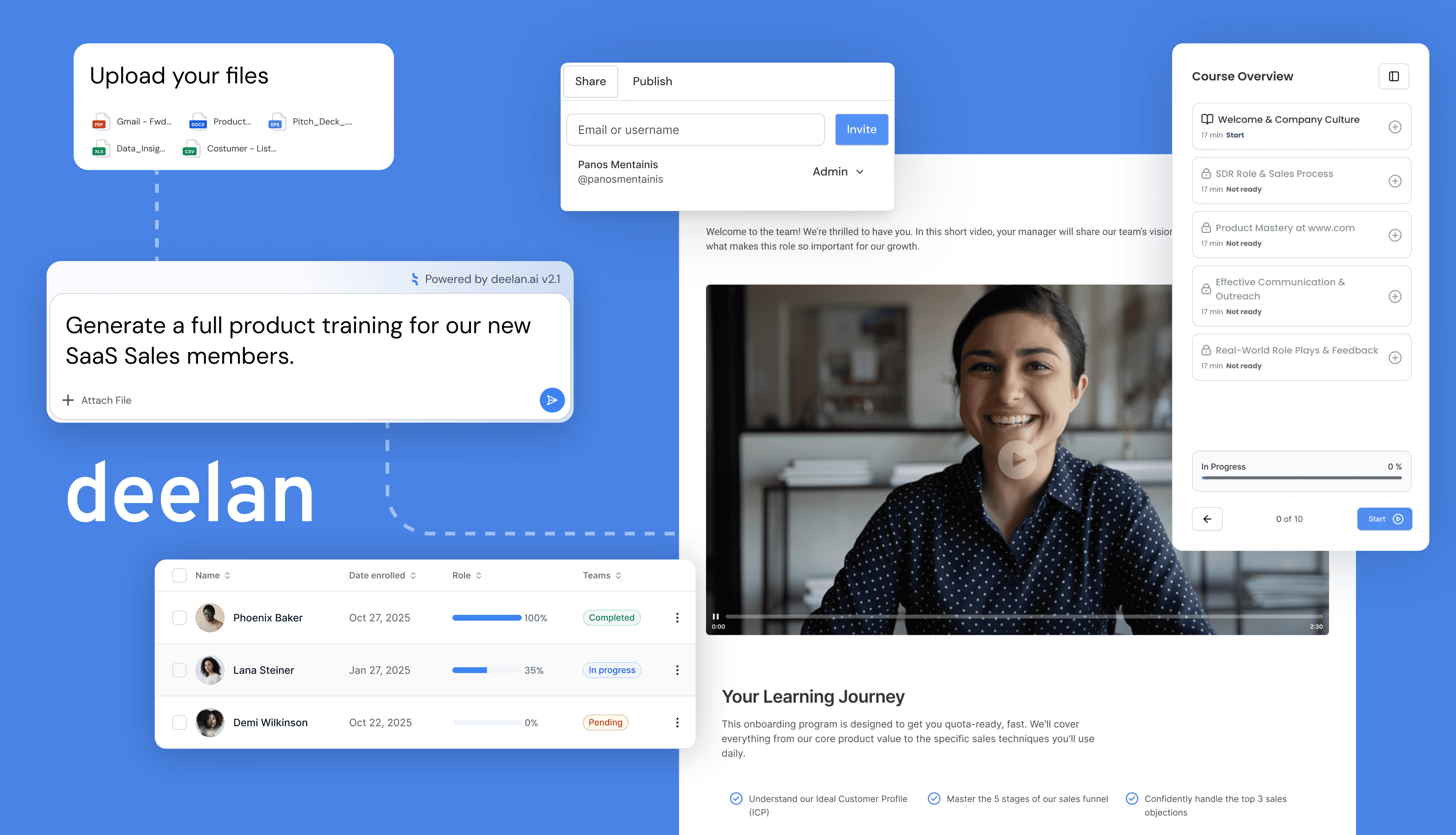
Deelan turns that material into structured training in minutes.
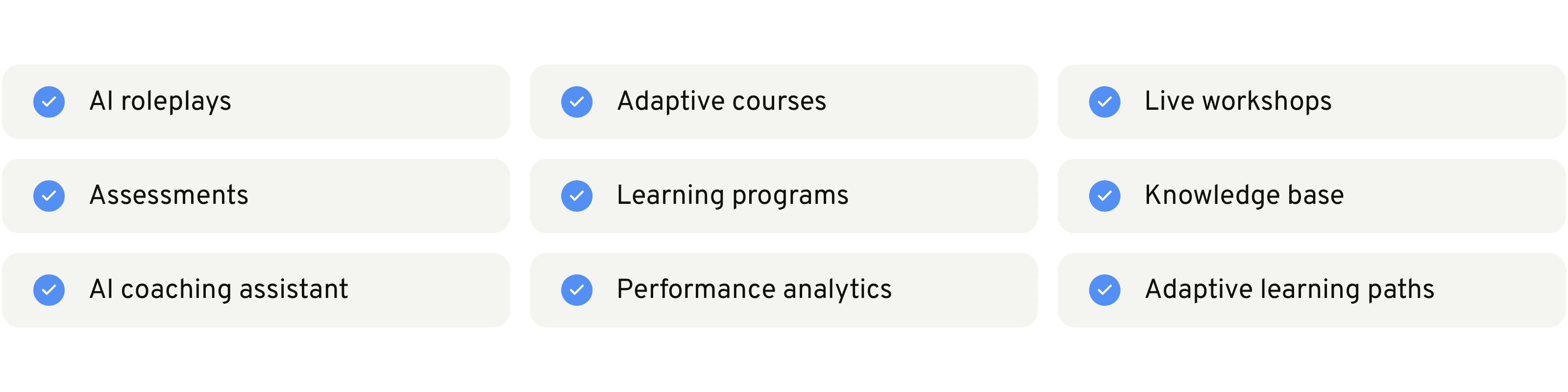
You can create courses, AI roleplays, workshops, assessments, micro-learning, and full programs from the same source material. No need to start from a blank page. No need to wait weeks for a training module.
Personalized training for every rep
One of the biggest problems with sales training is that everyone gets the same thing.
A new SDR, a senior AE, and a customer success manager should not have the same phone call training path.
Even within one team, the gaps are different. One rep may struggle with confidence. Another may ask weak discovery questions. Another may handle objections well but fail to close for next steps.
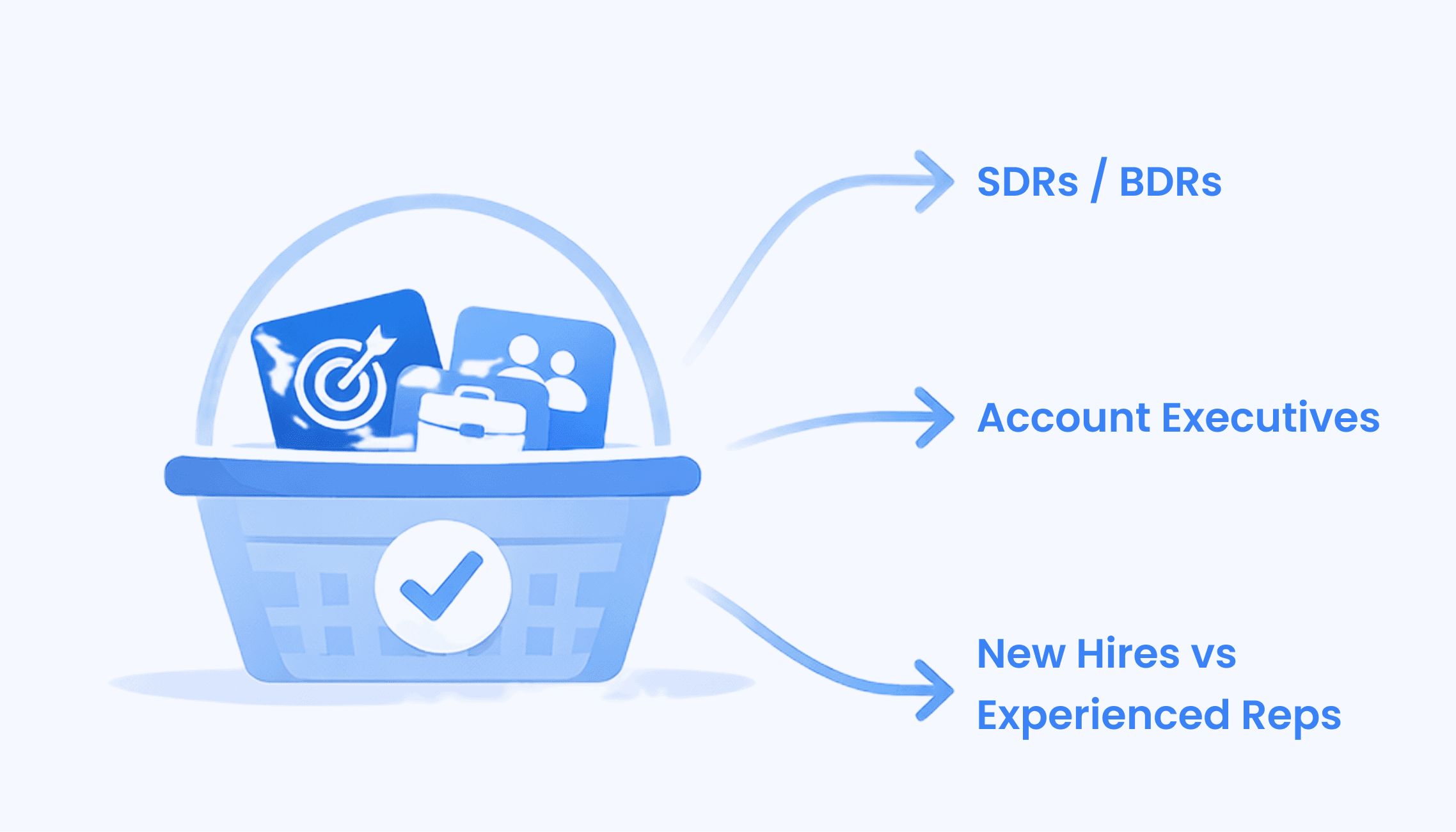
Deelan helps personalize training by role, seniority, performance, and skill gaps.
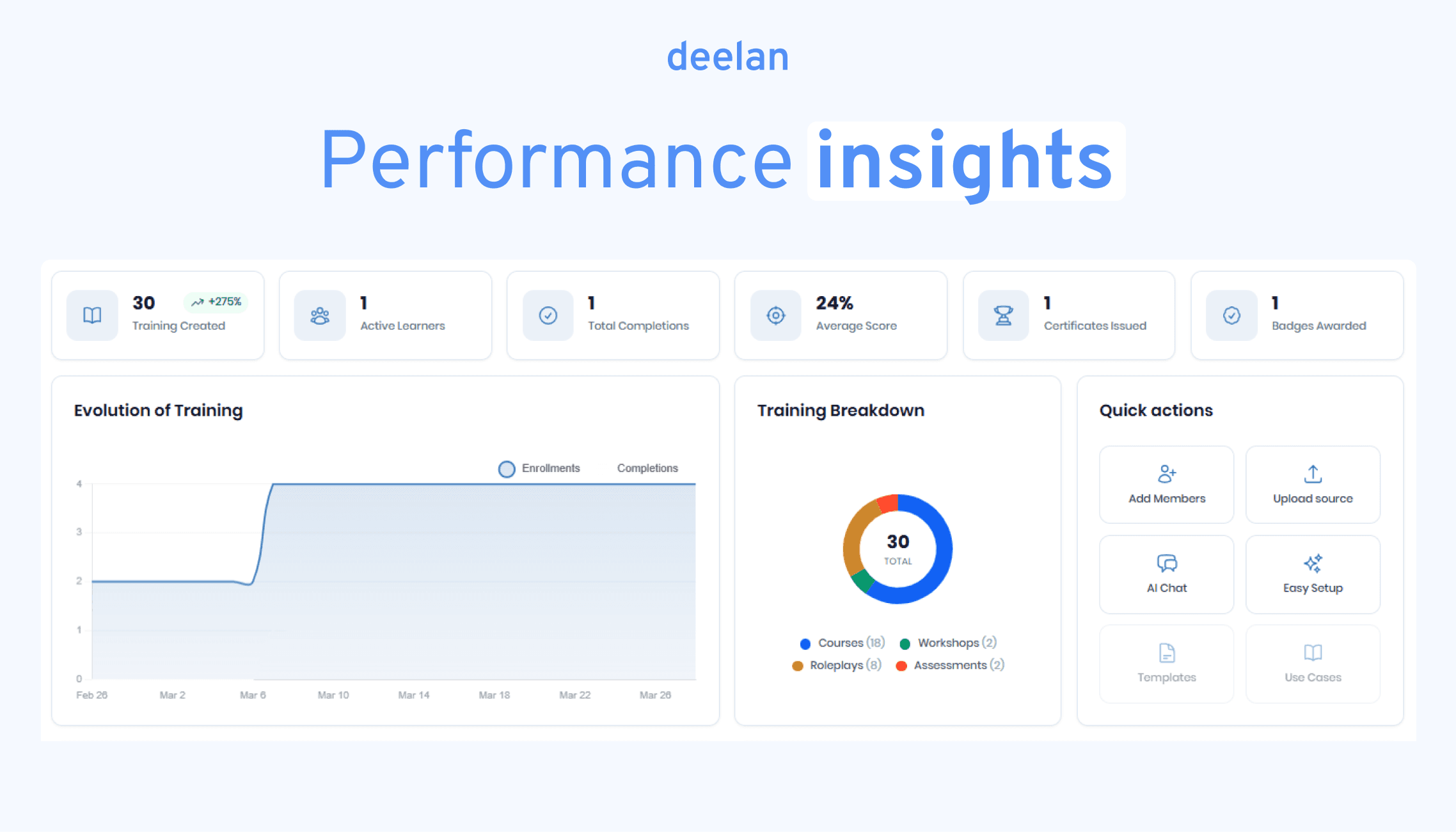
That means reps can focus on the practice they actually need. Managers can also see where the team is improving and where support is still needed.
This matters because sales training should not become another box to tick. It should help managers understand who is ready before they are live with prospects.
How to know if phone call training is working
You want to see whether reps are becoming better on calls.
Track things like:
faster ramp time
more confident call openings
better objection handling
stronger discovery
more meetings booked
better conversion from call to next step
more consistent messaging
fewer repeated coaching issues
manager time saved
Phone call training should show up in behavior. Reps should sound clearer, calmer, and more prepared.
Build better phone call sales training with Deelan
Phone calls are still one of the hardest parts of sales training because they are live, fast, and full of pressure.
Reading a script helps a little. Watching calls helps a little. Manager coaching helps a lot, but it is hard to scale.
The missing piece is practice.
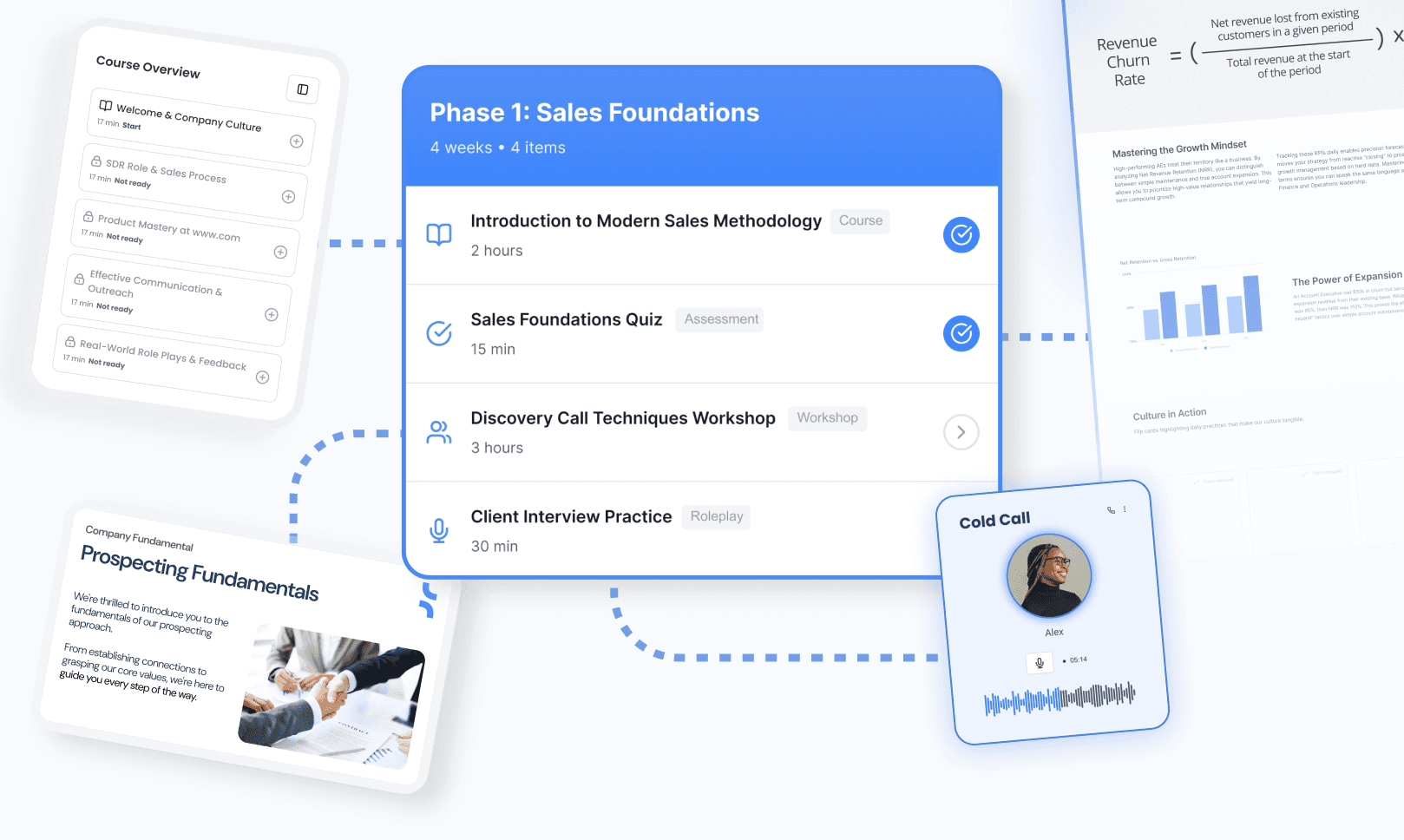
Reps need a safe place to try the call, make mistakes, get feedback, and try again before the prospect is on the line.
Deelan helps revenue teams turn their own sales materials into phone call training that reps can actually use. Courses for the foundation. AI roleplays for the live conversation. Workshops for team coaching. Assessments to find gaps. Programs to keep the learning moving.
If you want reps to sound better on the phone, give them a way to practice before the call.