Proving the value of sales enablement is harder than it should be. Part of the problem is that the default metrics, completion rates, attendance, content uploads, don't connect to anything a CFO or sales leader actually cares about. So enablement gets treated as a cost, the budget gets questioned, and the function spends half its time justifying its existence instead of improving the team.
The frustrating part is that the impact is real. Reps ramp faster. Win rates go up. The gap between your best and average performers shrinks. It just doesn't show up in a training report.
What follows are five examples of what the value of sales enablement actually looks like when it's tied to the right outcomes, and what you need to do differently to get there.
What Is the Real Value of Sales Enablement?
Sales enablement, at its core, is equipping revenue teams with the training, content, tools, and processes they need to have better sales conversations and close more deals.
The value of sales enablement doesn't come from the training itself. It comes from what changes in the field afterward.
A rep who completes a three-hour onboarding module and still stumbles through discovery hasn't been enabled. A rep who runs a tight qualification call, handles the pricing objection cleanly, and moves the deal forward in the same week has been.
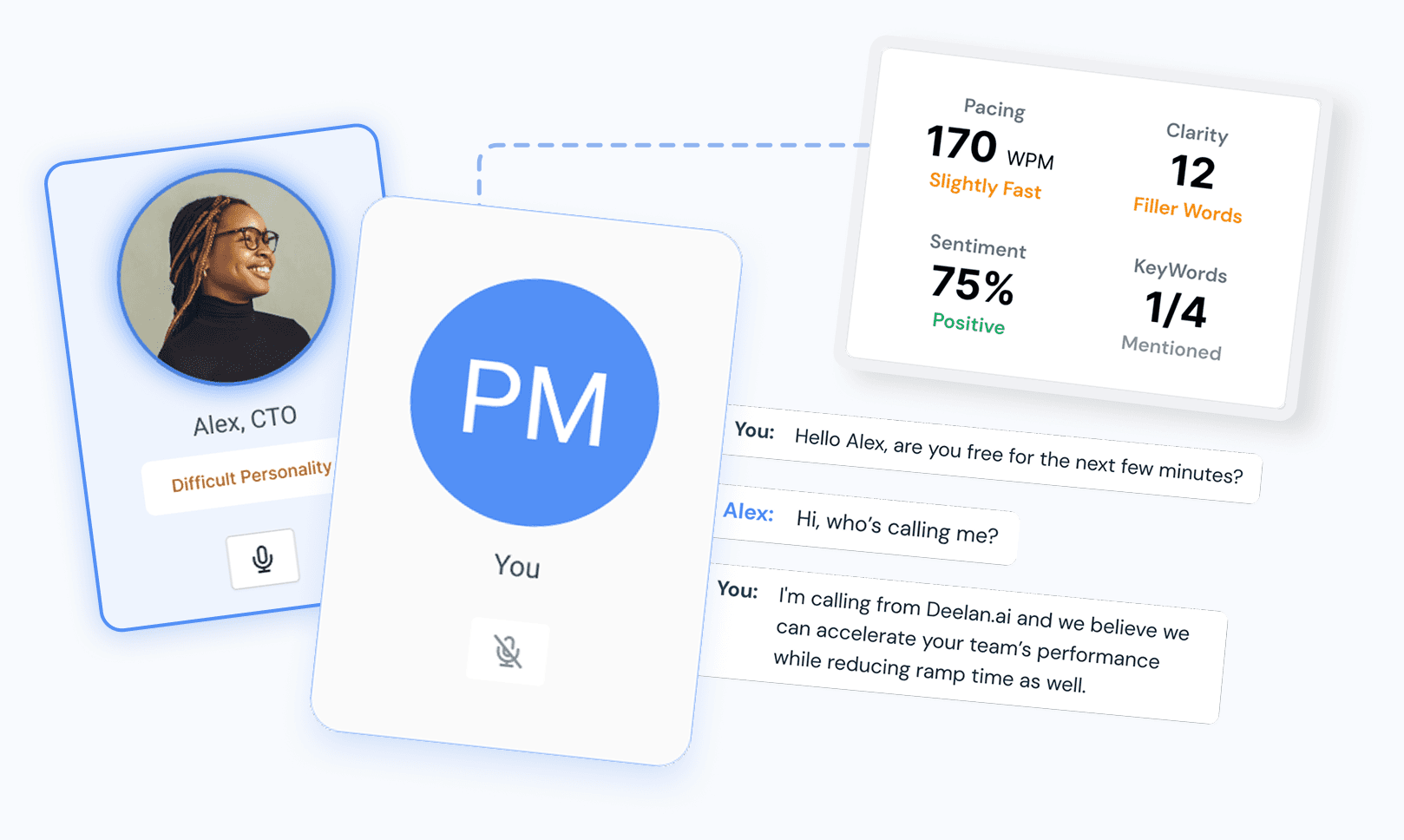
The outputs worth tracking are deals closed, pipeline quality, conversation execution, and forecast accuracy. Everything else is a leading indicator at best.
How to Measure the Value of Sales Enablement
Before getting into examples, a simple framework for thinking about ROI:
Value = (Performance improvement × revenue impact) ÷ cost of enablement
Revenue metrics capture what changed in the business: win rate, average deal size, quota attainment by cohort.
Productivity metrics show efficiency: time to first deal for new hires, percentage of time actually spent selling versus administrative work.
Execution metrics are harder to see but often the most predictive: how consistently reps follow the process, how well they handle objections, whether they can articulate value without leaning on price.
5 Examples of Real Value of Sales Enablement
1. Faster Ramp Time for New Hires
The industry average for a new AE to reach full productivity sits somewhere between four and six months, depending on deal complexity and product. For SDRs it's shorter, but still long enough to matter at scale.
Shorten that by 30% across a team of ten new hires per year, each carrying a $50K monthly quota, and the recovered revenue in that first year is significant.
The formula: (monthly quota × months saved) × number of new hires = revenue no longer left on the table. At those numbers, even a one-month improvement per rep adds up to $500K annually.
The reason most onboarding is slow isn't lack of content. It's that content gets delivered in bulk at the start, then never reinforced. New reps sit through a five-day bootcamp, retain maybe 20% of it by week three, and are left to figure out the rest through osmosis and manager feedback that arrives too late to change behavior on active deals.
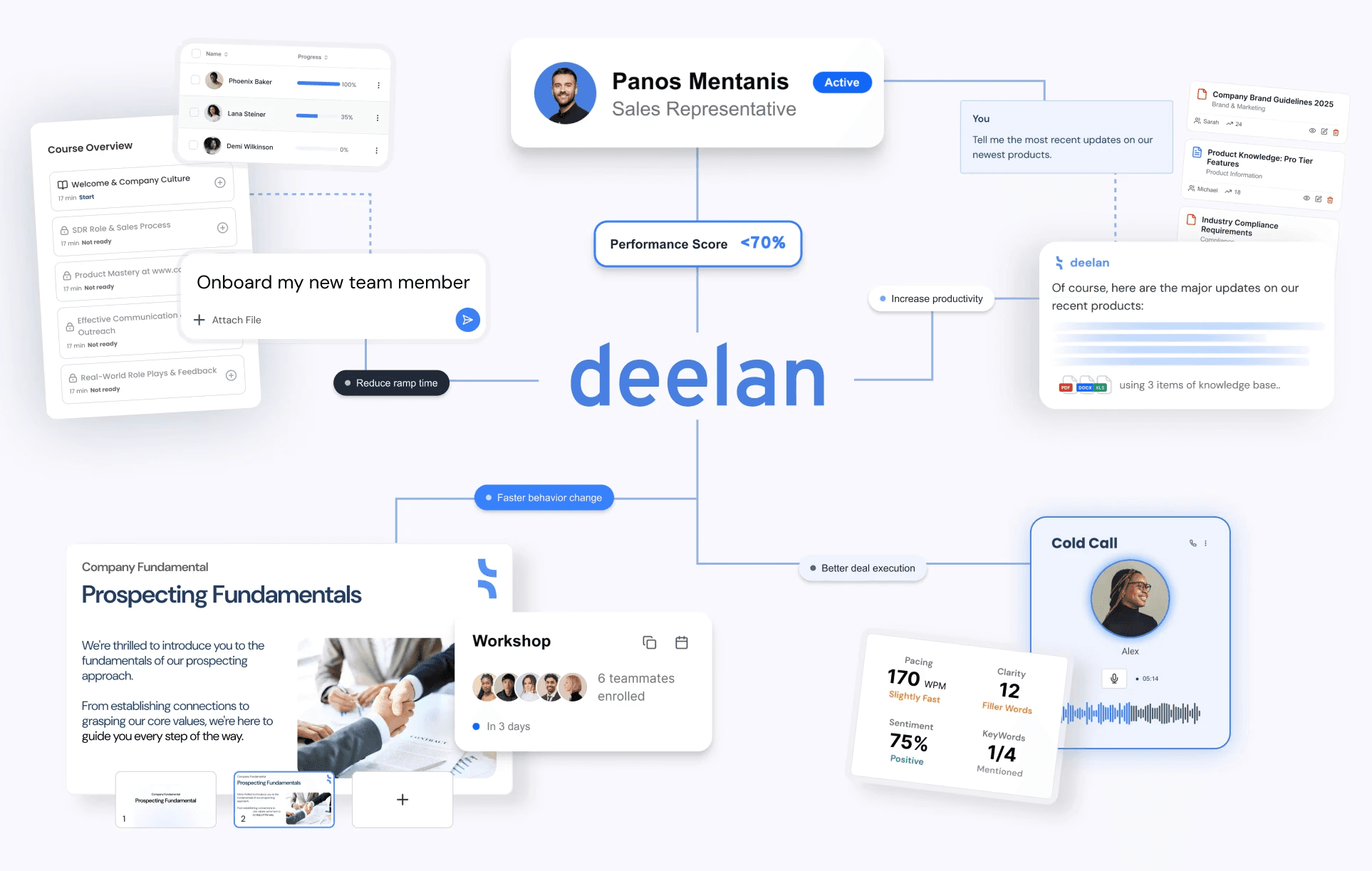
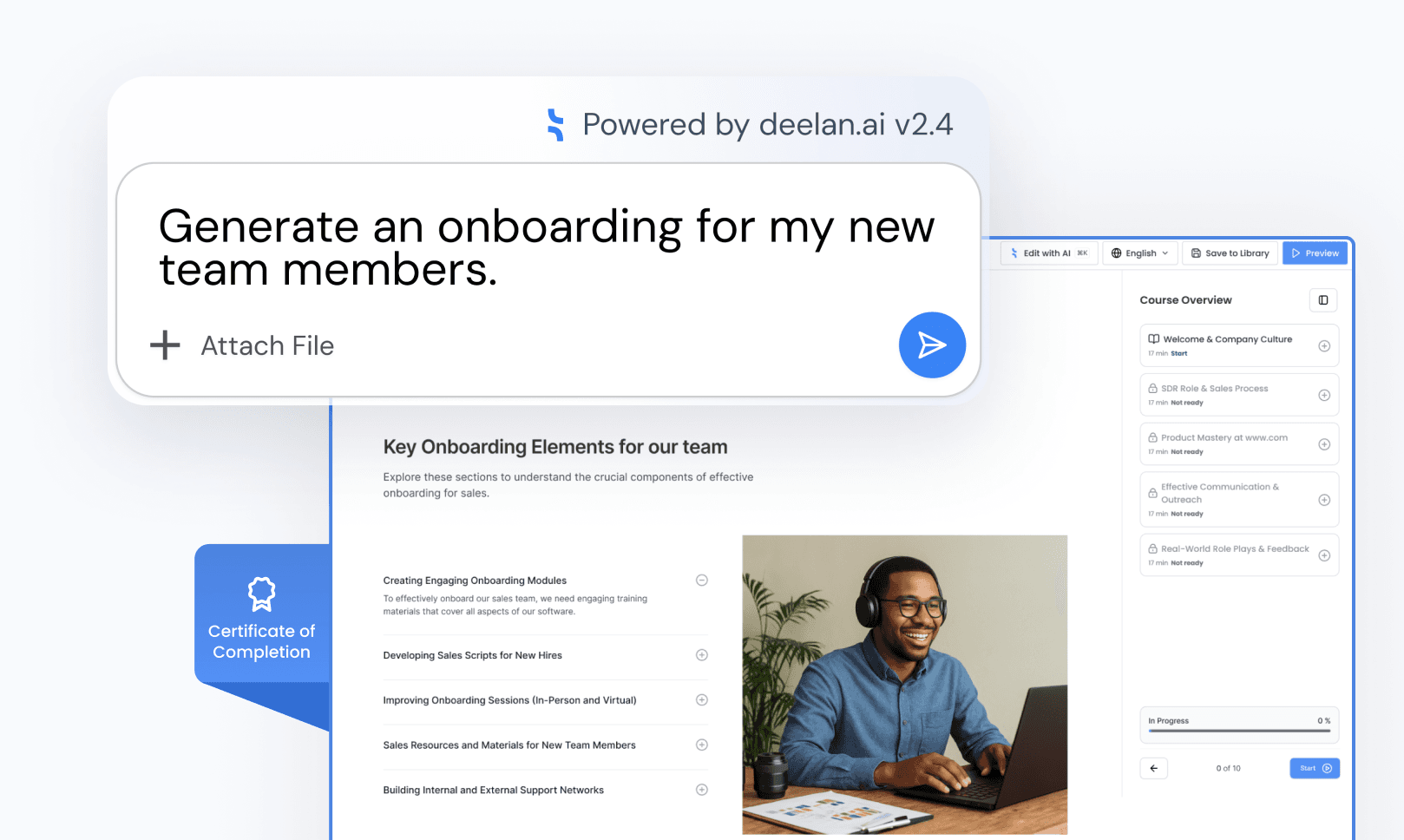
Adaptive training changes the sequencing. Instead of front-loading everything, Deelan's adaptive paths deliver training based on where each rep is in their ramp, what their role requires, and where their assessments show gaps.
2. Higher Win Rates Through Better Execution
Weak discovery, poor objection handling, inability to multi-thread, demos that don't connect to the buyer's actual problem.
Structured enablement that targets those specific moments moves win rates. The range cited across published research is 15 to 25 percentage points improvement for teams with active enablement versus those without. At a 20% win rate baseline, moving to 25% on a pipeline of 200 deals per quarter means 10 additional closed deals. If average deal size is $20K, that's $200K per quarter from win rate improvement alone.
The mechanism is role-play. Not the awkward kind that happens once a year at sales kickoff.
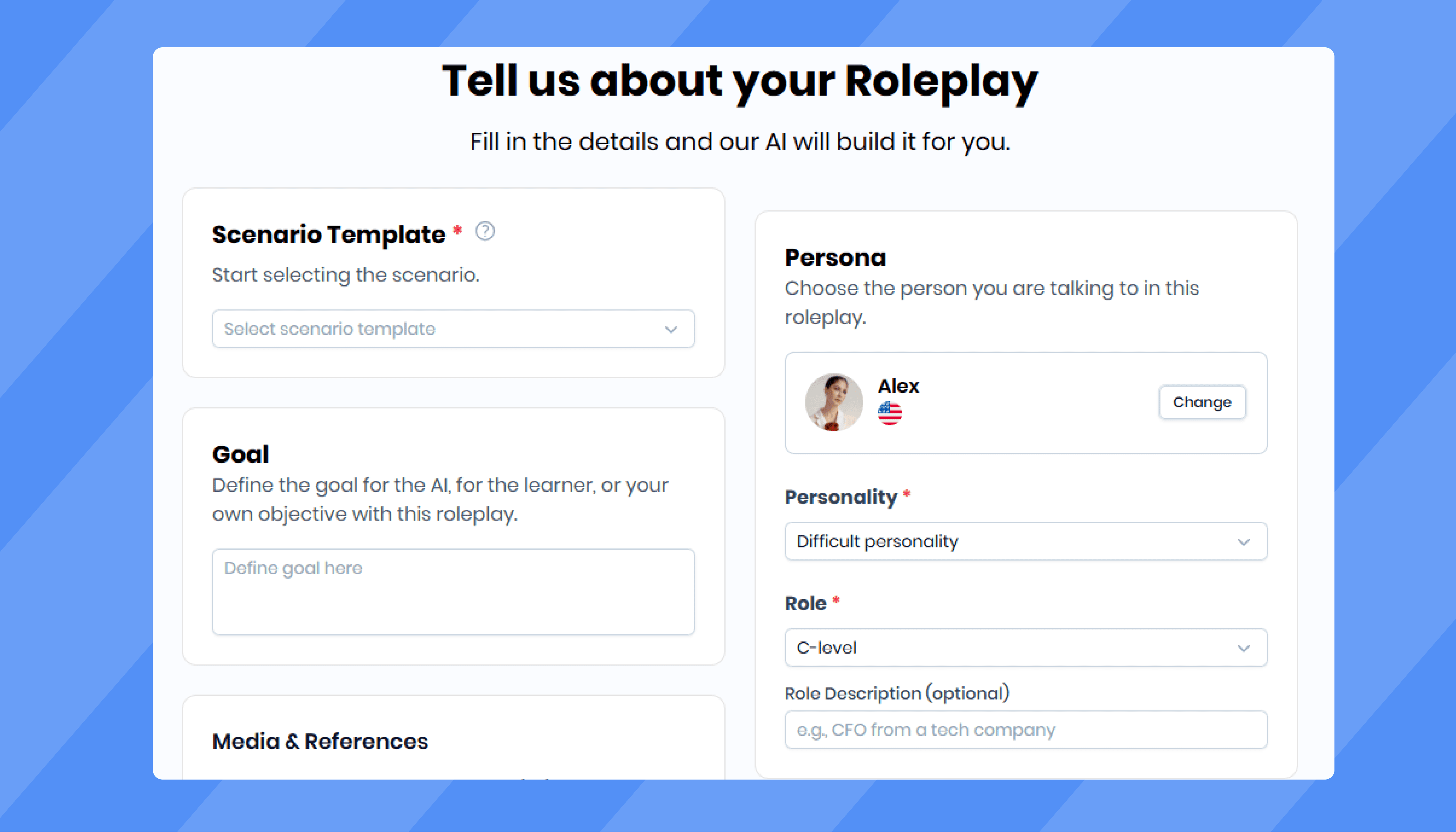
Repeated, scored practice on the exact scenarios reps will face: competitive objections, pricing pushback, multi-stakeholder deals, stalled opportunities. Deelan's AI coach runs reps through these simulations before they're in front of a real buyer, scores their responses, and surfaces the gaps. Managers see the data. Reps get feedback without waiting for a call review.
3. More Consistent Sales Performance
The gap between top performers and everyone else in most sales teams is wider than it should be. In a team of fifteen reps, the top three are usually carrying a disproportionate share of the number. That's not purely a hiring problem. A significant part of it is that what the top performers do differently is never systematically extracted and taught to the rest.
Top performers have internalized a process. They ask better discovery questions. They know which objections signal interest versus which signal disqualification. They multi-thread earlier. Enablement's job is to make that behavior legible and teachable, not just observable.
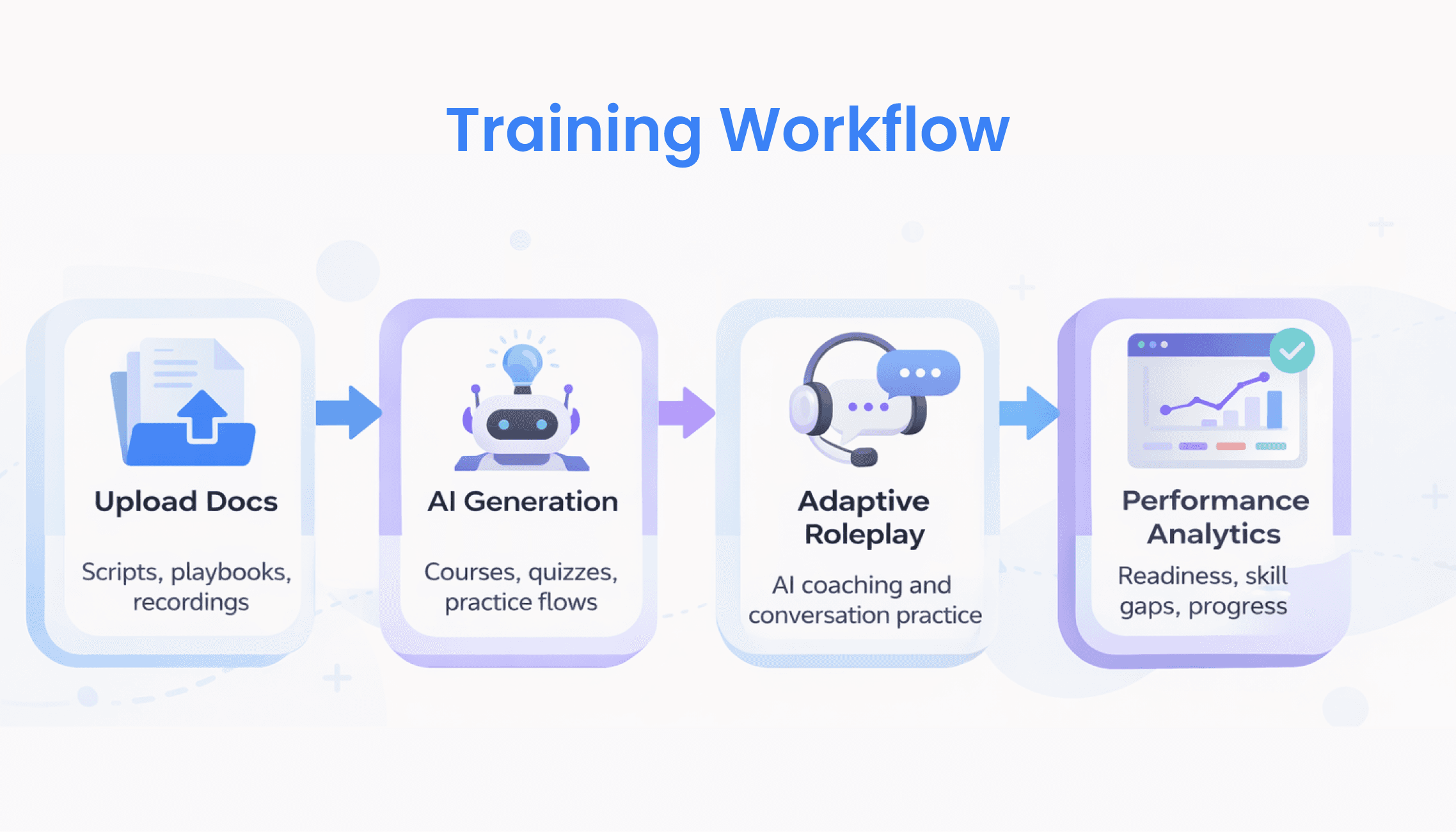
When Deelan generates training from call recordings, pitch transcripts, or existing playbooks, it's doing exactly that: turning what the best reps do into structured content that the rest of the team can learn from. The result isn't that everyone becomes a top performer. The result is that the performance floor rises and fewer deals are lost to avoidable execution errors.
4. Shorter Sales Cycles
Deals stall for predictable reasons. The buyer goes quiet after the demo. The proposal sits without a response. The champion can't get internal buy-in. Most of these situations have known playbooks, and most reps don't use them consistently because they were taught once and then forgotten.
Sales cycle length is one of the clearest indicators that execution is breaking down somewhere. If the average deal should close in 45 days and it's taking 70, the extra 25 days isn't a buyer problem. It's a process problem.
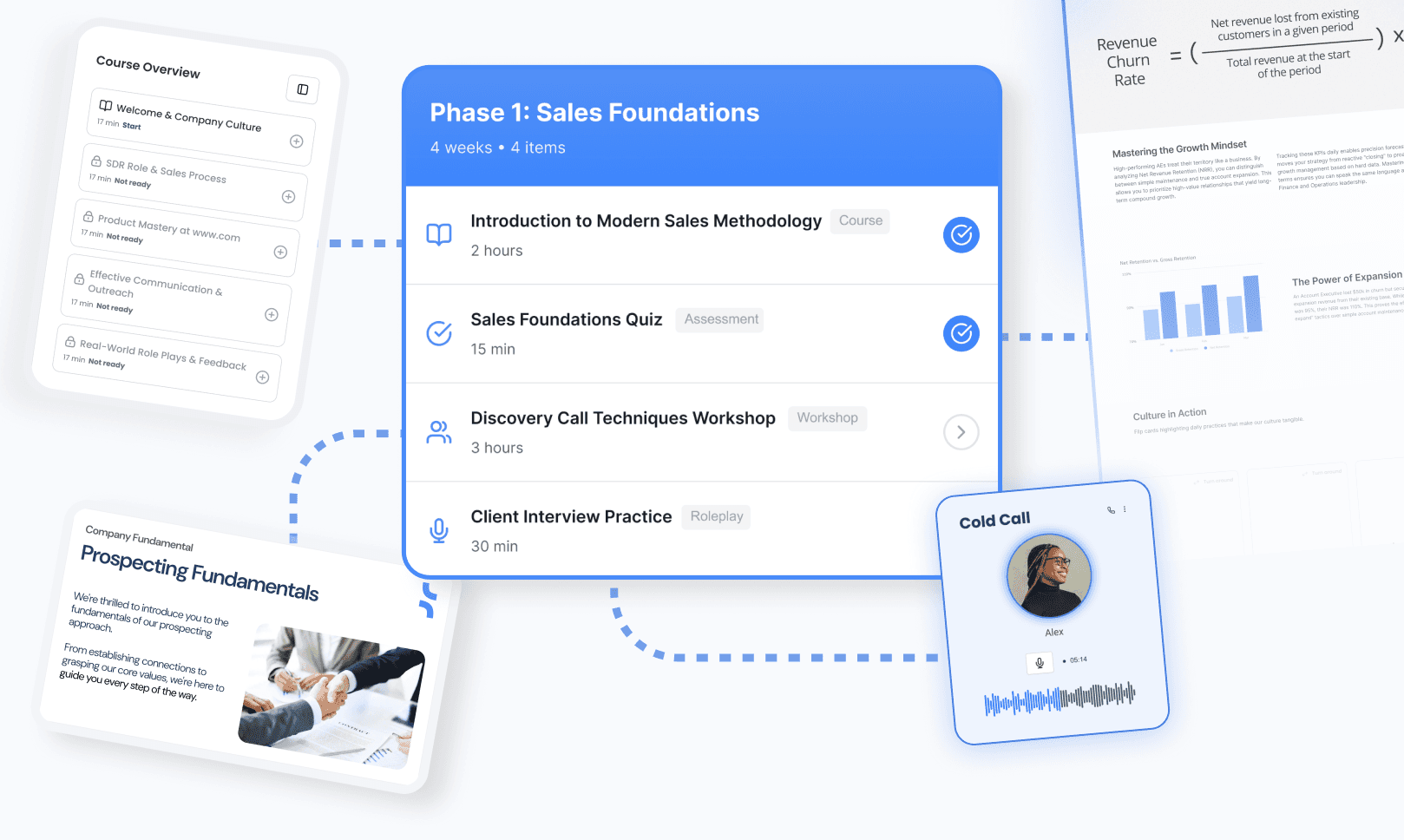
Enablement addresses this by reinforcing the right behaviors at the right stage. That might be training on how to run a multi-stakeholder demo, how to write a mutual action plan, or how to re-engage a stalled deal without burning the relationship. The difference between a team that closes in 45 days and one that closes in 70 is often whether those specific skills were built and whether they became habit through repeated practice.
Shorter cycles mean more capacity. A rep closing in 45 days instead of 70 can run more deals in the same quarter without adding pipeline.
5. Better Alignment Between Sales and Marketing
Marketing creates content. Sales doesn't use it.
This is one of the most documented dysfunctions in B2B revenue organizations, and the numbers are striking: research from emlyon business school cites that 75% of marketing content goes unused by sales teams.
The reason is usually relevance and accessibility. Content gets built from marketing's perspective of the buyer, not from what reps actually need in a specific conversation at a specific deal stage. A case study that's too generic. A one-pager that doesn't address the objections that come up in real deals. A competitive battle card that's six months out of date.
Enablement creates the feedback loop. When sales teams are trained on specific content, track which materials actually get used in deals, and can report back on what's working, marketing has something to build on. That alignment reduces wasted content production and increases the relevance of what gets created.
Deelan's knowledge base gives teams a single source of truth for sales content. When a rep needs a battle card before a competitive call, it's there. When a new product launches, training is created from the product documentation in minutes, not weeks.
Turning Sales Enablement Into a Revenue Driver
The companies that get the most value of sales enablement share a few things in common.
They focus on outputs, not activities.
They don't celebrate the fact that 90% of reps completed the module. They ask what changed in the field.
They connect training to real deals. Not in an abstract "this will help you sell" way, but specifically: after a rep completes the objection handling module, a manager reviews the next three call recordings and checks whether the skill transferred.
They track a small set of metrics, consistently. Win rate by cohort. Time to first deal. Skill assessment scores correlated to close rate. These don't require a complex analytics stack. They require a decision to measure what matters instead of what's easy.
And they reinforce continuously. A rep who was trained six months ago and hasn't practiced since has lost most of it.
The value of sales enablement compounds when the system is built to measure it. Without that, it stays a cost center. With it, it becomes one of the clearest levers in the revenue org.
Ready to see what adaptive training looks like in practice?
Book a Free Demo and see how Deelan helps revenue teams build the skills that move numbers.