Key Takeaways
Signing partners is only the beginning
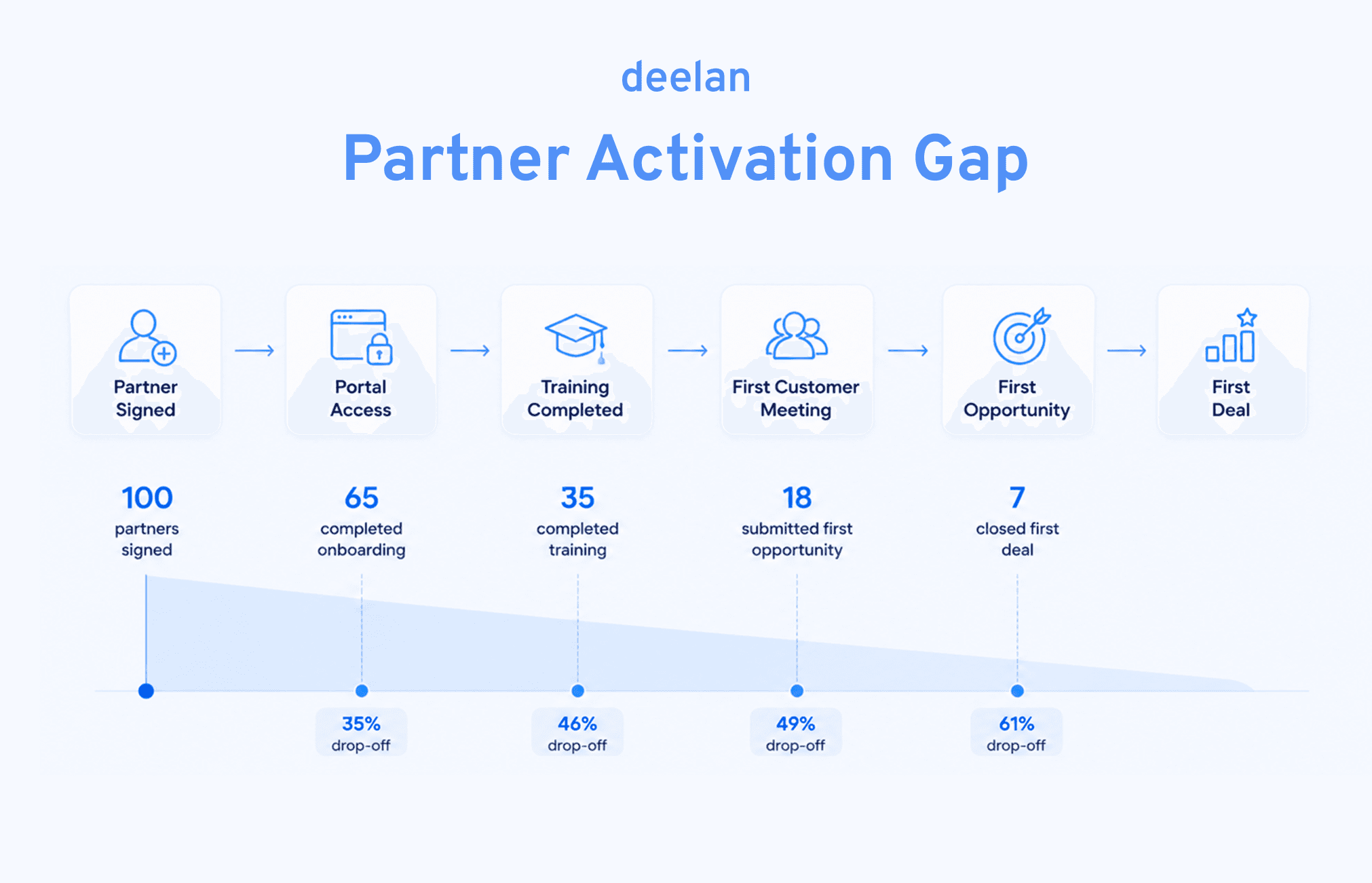
Most partner programs lose momentum between onboarding and first opportunity
The first 90 days determine long-term partner success
Knowledge comes first, practice comes second, pipeline comes third
Training should help partners take action, not consume content
Time to first deal is one of the most important partner enablement metrics
A company signs 50 new partners. Six months later, only five are generating pipeline. A handful have registered opportunities. Most have gone quiet.
Partner enablement is the structured process of giving channel partners the knowledge, content, training, and support they need to sell, implement, and represent your product effectively.
Done well, partners go to market faster, with consistent messaging and real confidence in what they're selling.
Done poorly, they sign up, attend one onboarding call, and never close a deal.
A 90-Day Partner Enablement Strategy
The goal is momentum.
Partners who reach their first opportunity and first deal early are far more likely to remain active long-term.
A practical partner enablement plan usually follows three stages.
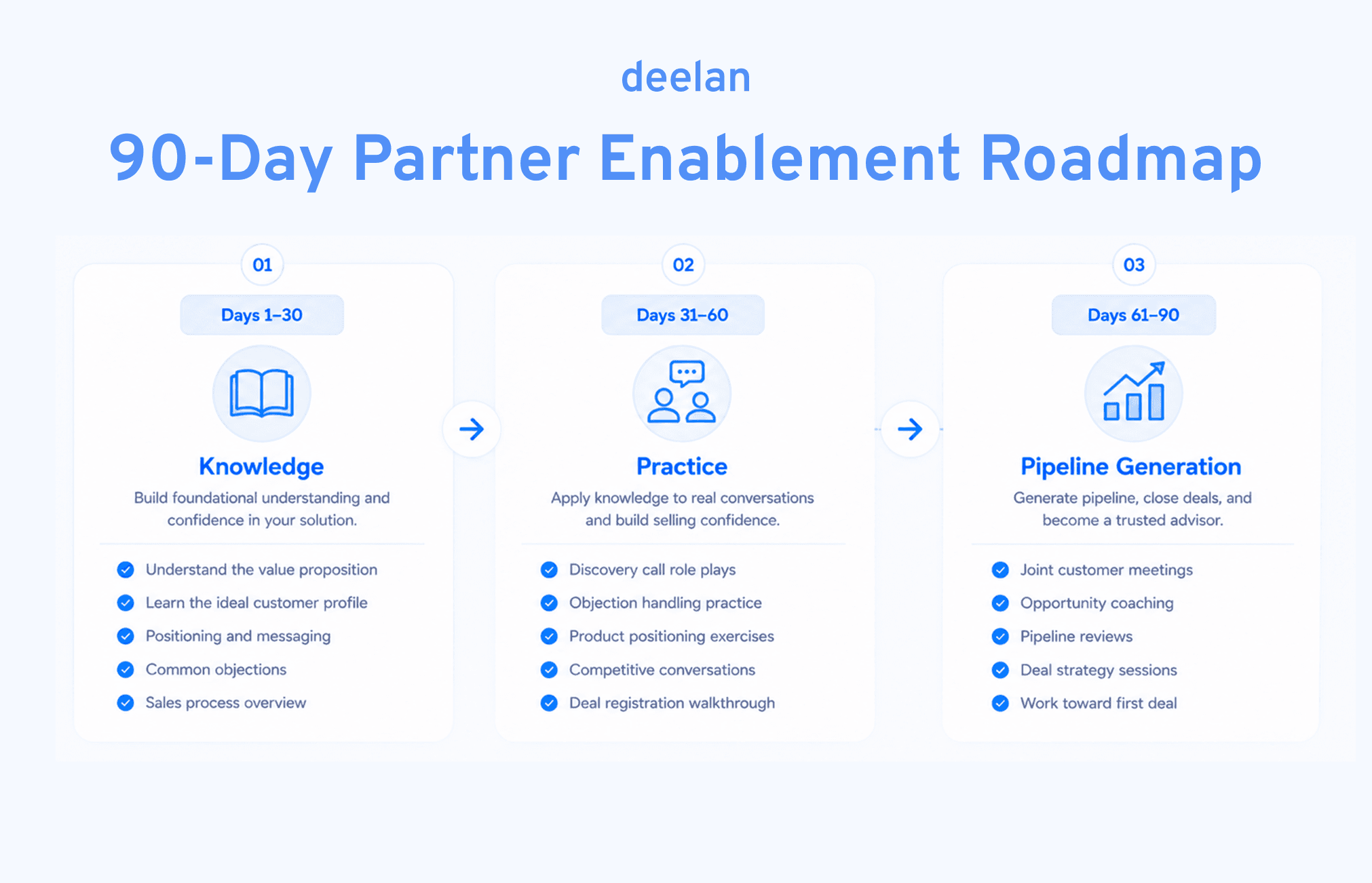
Days 1–30: Knowledge
The first month should focus on clarity.
Partners need to understand:
What problem your product solves
Who the ideal customer is
How to position the solution
Common objections
The sales process
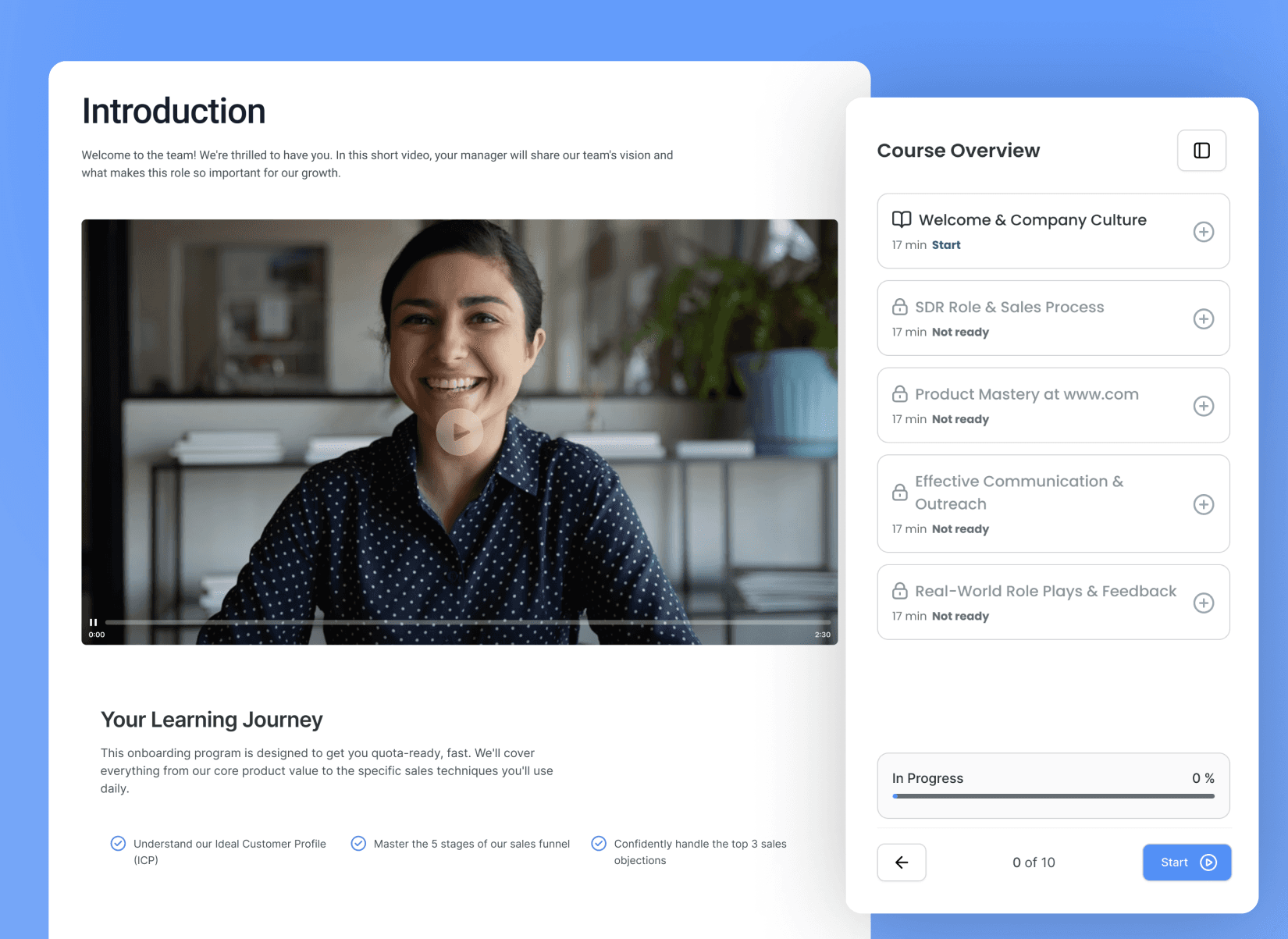
Short learning modules tend to work better than long onboarding sessions.
Five focused lessons are often more useful than a two-hour webinar.
Days 31–60: Practice
The most effective partner enablement training includes:
Discovery call scenarios
Objection handling exercises
Product positioning exercises
Competitive conversations
Deal registration walkthroughs
This is often where gaps become visible.
A partner may understand the product but struggle to explain value.
Another may know the messaging but freeze during customer conversations.
Practice surfaces those issues before real opportunities are lost.
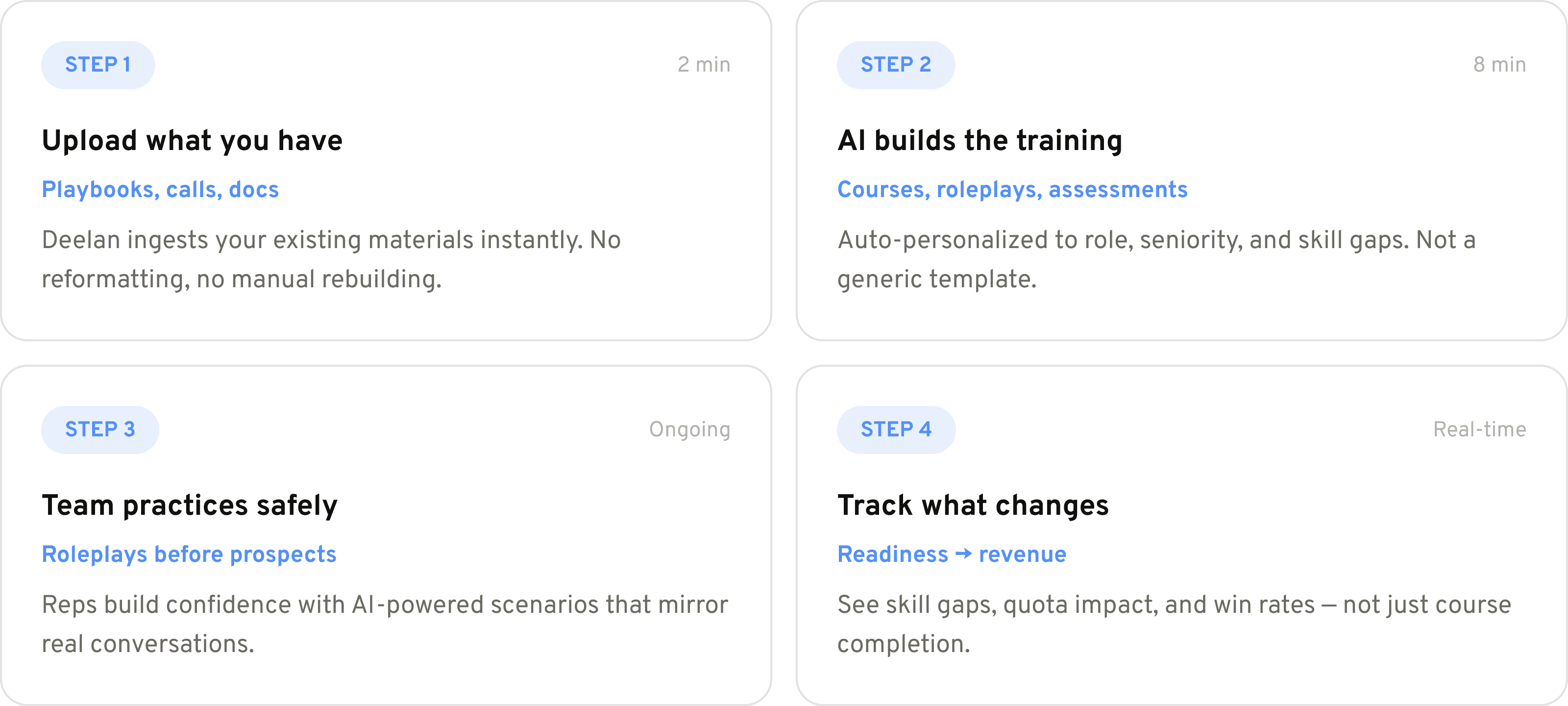
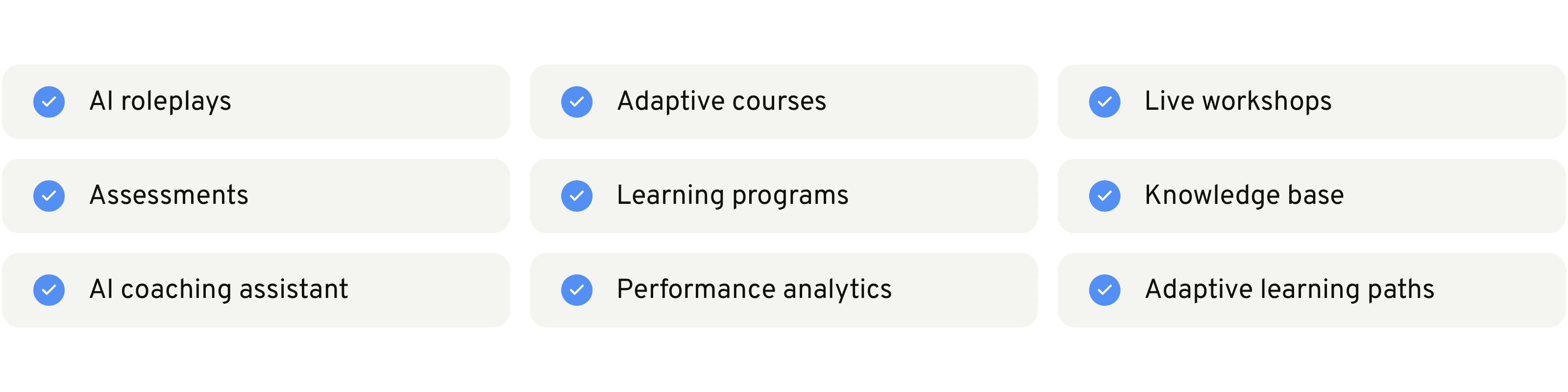
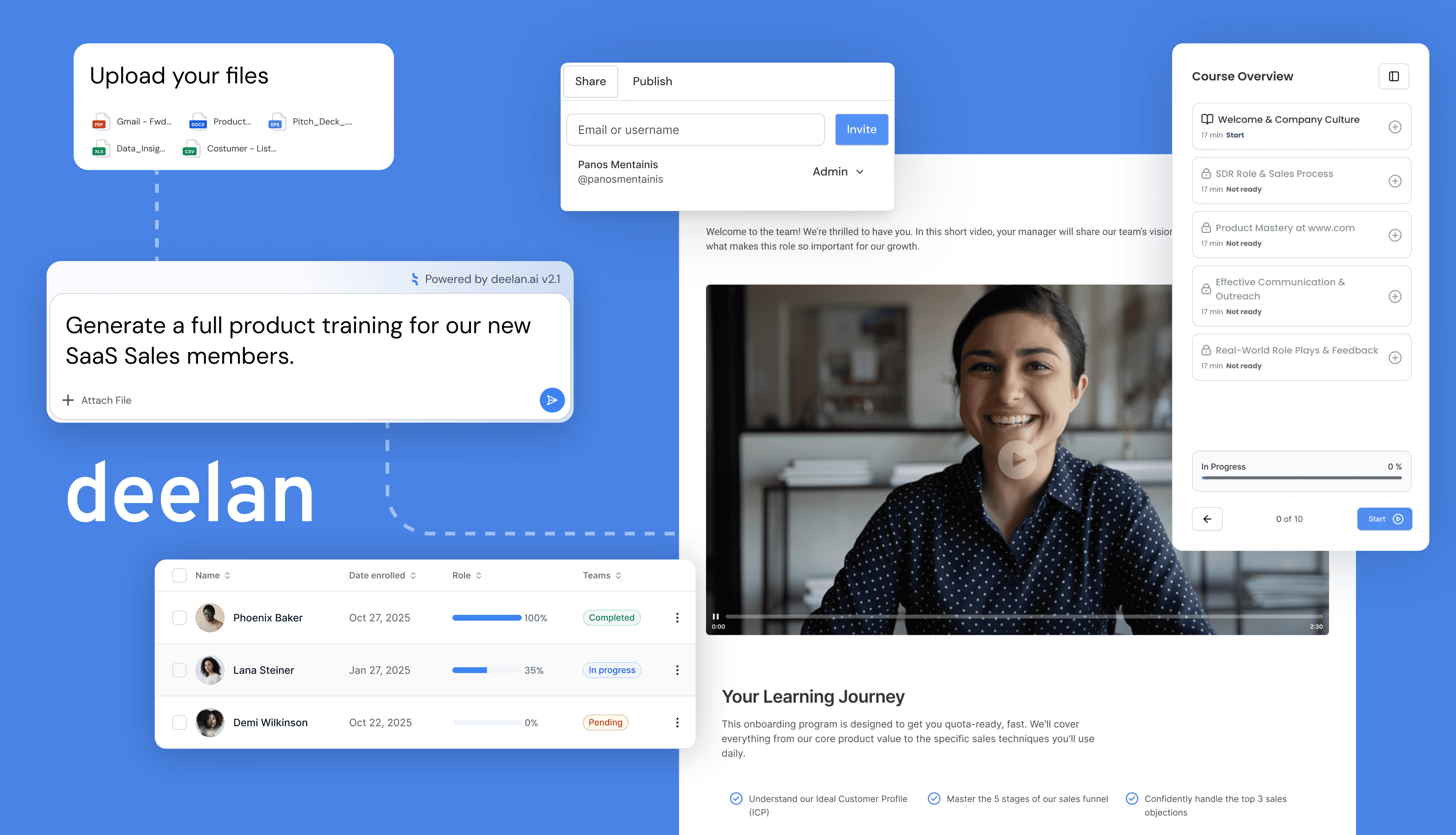
Many teams use Deelan during this stage to build role plays, assessments, workshops, and certification programs directly from existing sales materials.
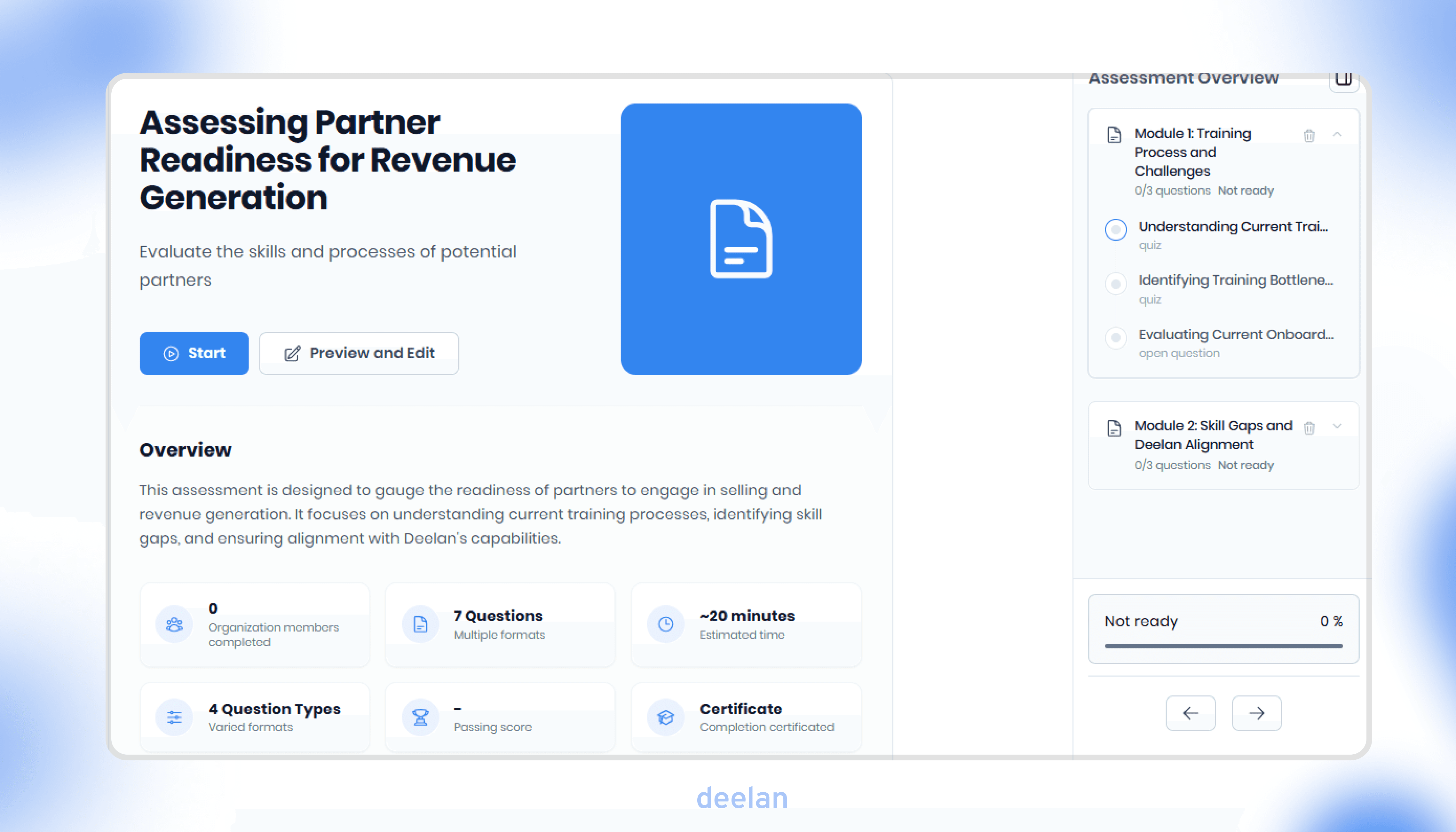
Instead of creating training from scratch, partner managers can turn playbooks, call recordings, and product documentation into structured learning paths in minutes.
Days 61–90: Pipeline Generation
Partners should be actively engaging prospects, registering opportunities, and working toward their first deal.
Common activities include:
Joint customer meetings
Pipeline reviews
Opportunity coaching
Deal strategy sessions
Certification reviews
Help the partner generate enough momentum to become self-sufficient.
The longer it takes to reach first revenue, the lower the probability of long-term engagement.
Partner Enablement Metrics Worth Tracking
The metrics that matter are tied to revenue activation.
Time to First Opportunity
How long does it take a newly signed partner to register an opportunity?
Time to First Deal
How quickly does a partner generate revenue?
Partner Activation Rate
What percentage of signed partners become active within 90 days?
Training Completion vs. Revenue Performance
Which learning activities correlate with pipeline creation?
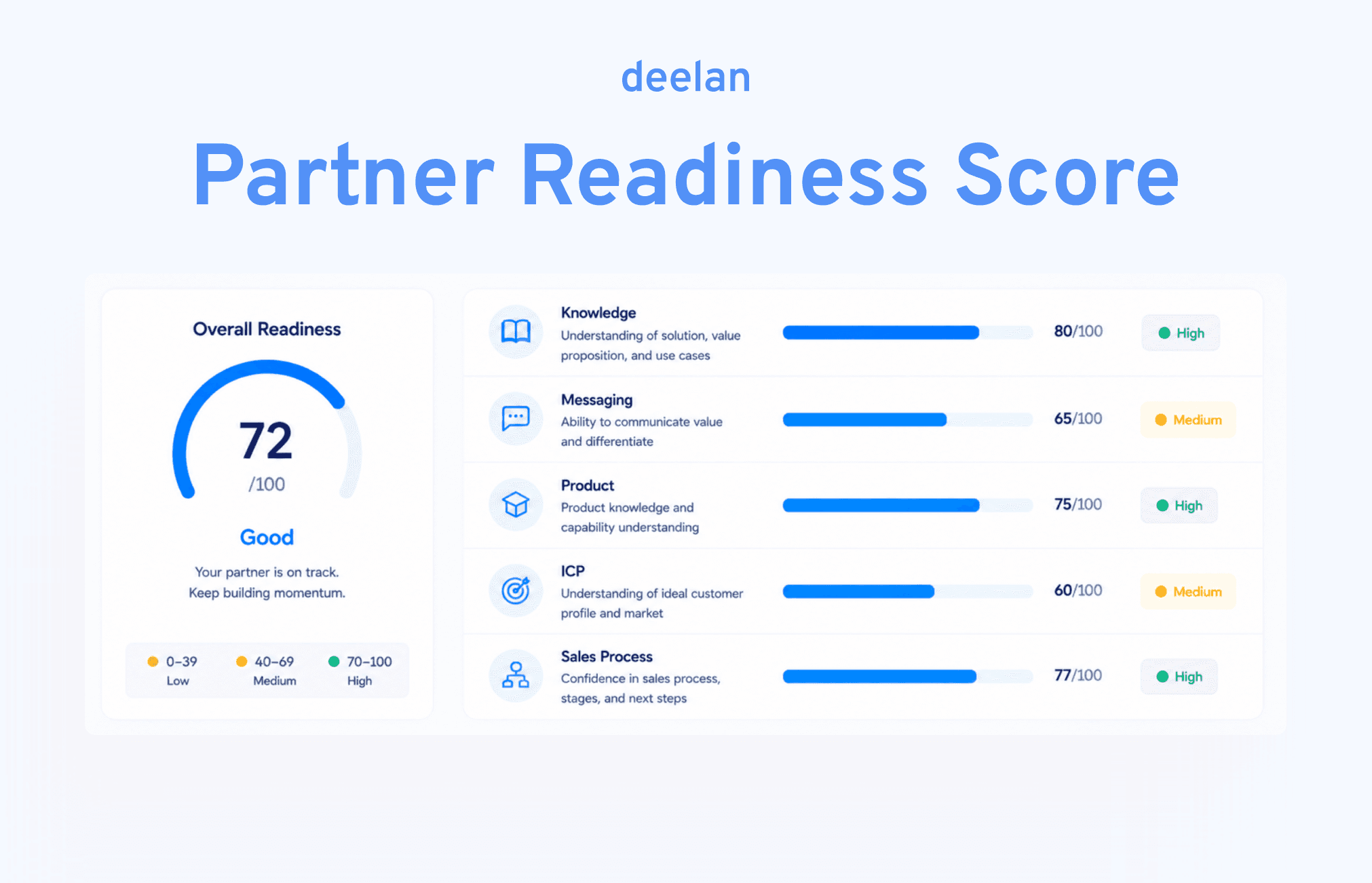
Partner Readiness Score
Can the partner confidently position, demo, and sell the solution?
Tracking readiness often reveals risk earlier than pipeline metrics.
Scaling Partner Enablement Without Scaling Headcount
As partner programs grow, manual onboarding becomes difficult.
Partner managers spend more time coordinating training than helping partners close business.
This is where structure becomes important.
Standardized onboarding paths.
Role-specific learning.
Automated assessments.
Progress tracking.
Consistent reinforcement.
Teams using Deelan can build adaptive partner enablement programs from existing materials, assign learning paths by partner type, and track readiness across their entire channel ecosystem without managing everything through spreadsheets.
Turn More Partners Into Revenue Contributors
Many partner programs continue recruiting while existing partners remain inactive.
A stronger partner enablement strategy helps partners reach first revenue faster, builds confidence earlier, and creates a repeatable activation process.
If you're building a partner enablement program, launching a new channel initiative, or trying to activate disengaged partners, Deelan can help you create partner training, certifications, role plays, workshops, and learning paths from the materials you already have.
Book a demo to see how revenue teams scale partner enablement without spending weeks building training.
Or start a free trial and create your first partner training program in minutes.