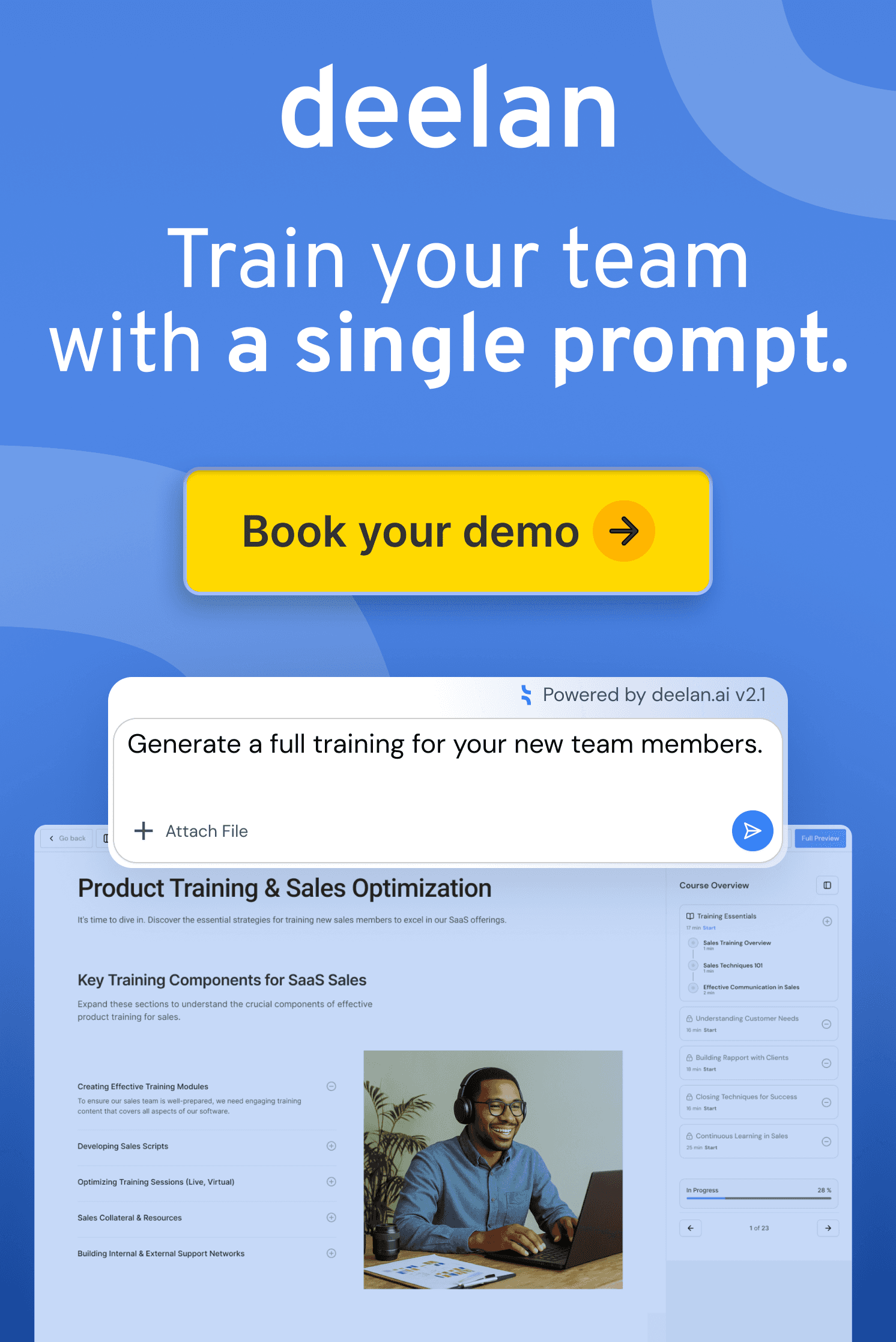

New hires are given product docs, call recordings, onboarding decks, CRM notes, playbooks, and a few shadowing sessions. Technically, everything they need exists somewhere. But in practice, they are left to connect the dots on their own.
That makes ramp time longer. It creates uneven performance across the team. It also means your best sales knowledge often stays trapped in the heads of your top performers and managers.
This article covers five things you can implement today to improve sales training, shorten ramp time, and build an enablement system that actually supports performance.
What PreSales Enablement Really Means
Presales enablement is everything that helps a presales team perform at its best. From onboarding and product training to demo preparation, roleplay practice, and knowledge sharing, it ensures Solutions Engineers have the skills and resources needed to support revenue growth.
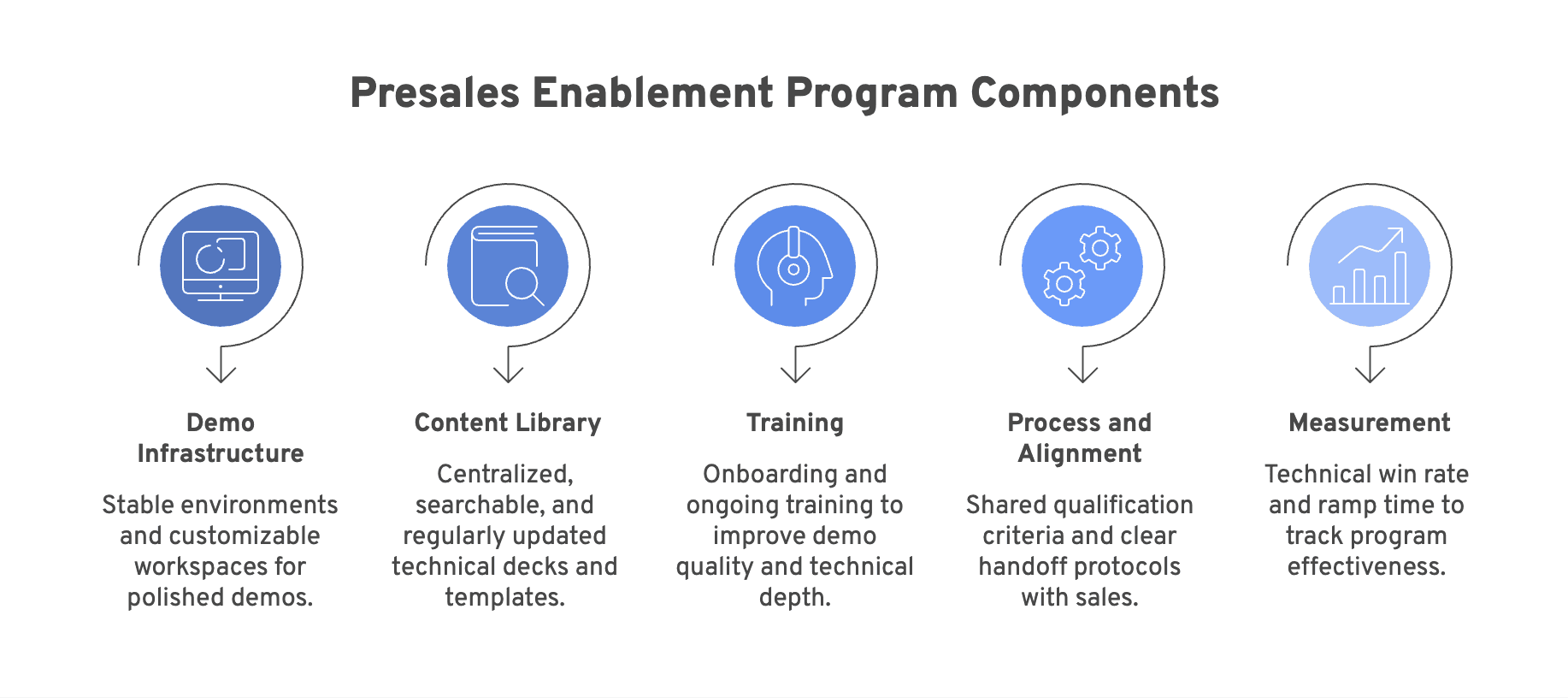
Presales enablement includes:
Onboarding new hires
Training reps on product knowledge
Practicing discovery and objection handling
Preparing teams for new messaging or product updates
Building role-specific learning paths
Measuring readiness before people go live with prospects
Helping managers coach more consistently
5 Things You Can Implement Today
1. Turn Existing Knowledge Into Structured Training
Most teams already have enough knowledge to train people well.
It exists in:
Sales playbooks
Product documentation
Call recordings
Demo scripts
Objection handling notes
CRM insights
The issue is that this knowledge is scattered and not designed for learning.
A new hire should not have to search through ten different tools to understand how to sell your product. A manager should not have to explain the same process every time someone joins. A top performer’s best call should not disappear into a recording library nobody checks.
Start by choosing one important topic and turning it into structured training.
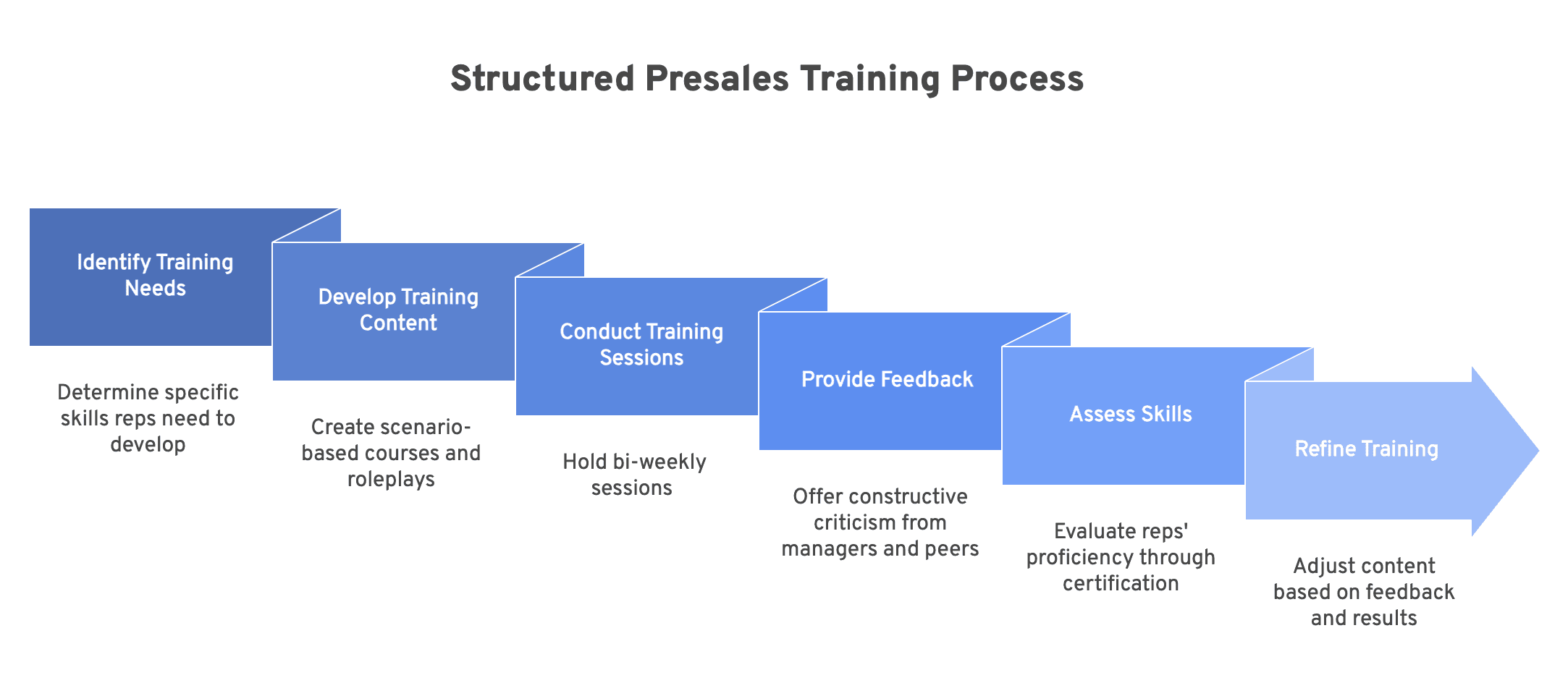
For example:
Your core sales pitch
Discovery questions
Objection handling
Product positioning
Competitive differentiation
Qualification process
Pricing conversations
New product updates
A simple structure is enough:
What should the learner understand?
What example should they see?
What should they practice?
How will you check if they are ready?
This instantly makes training more useful than another PDF or recorded meeting.
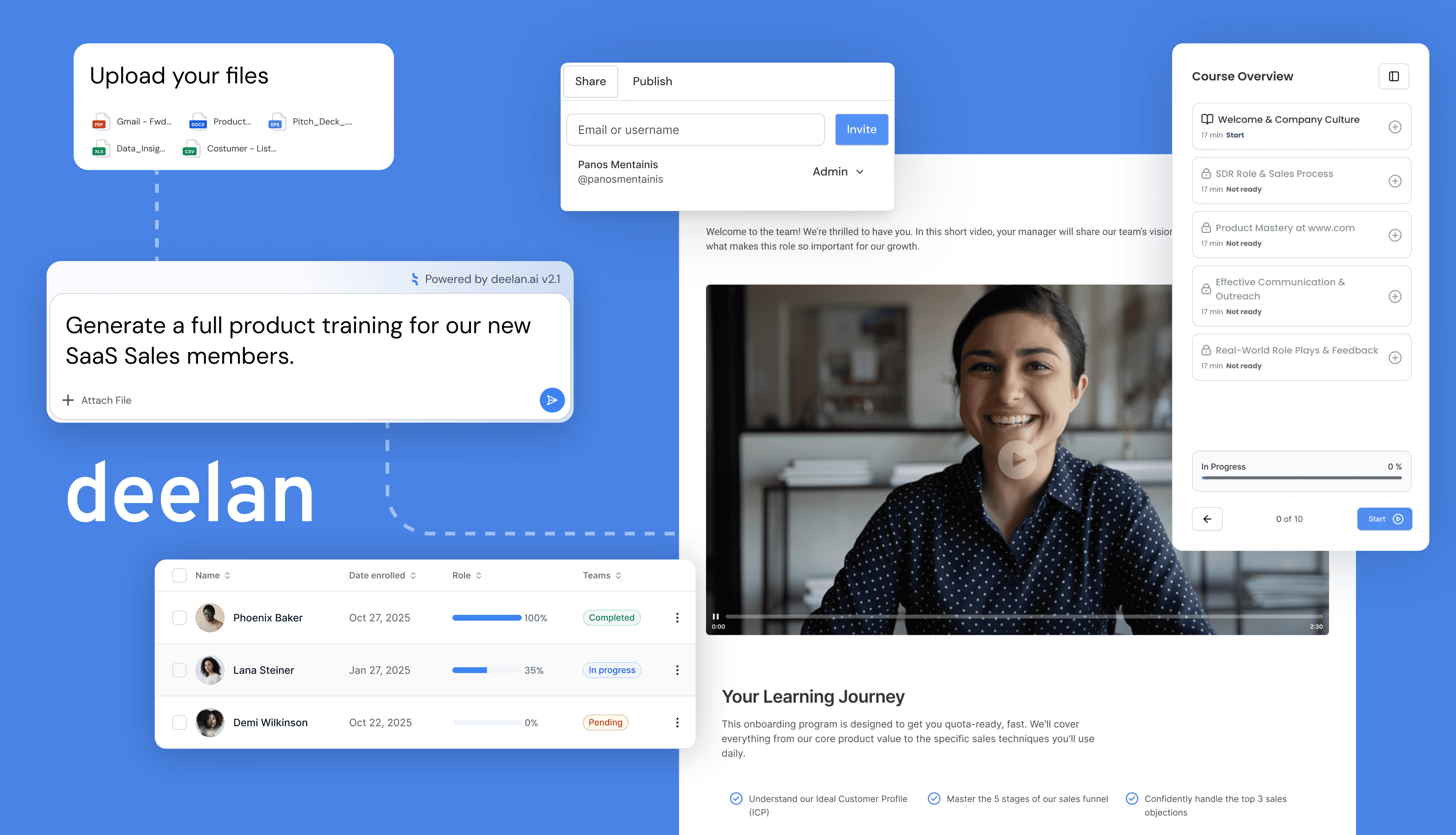
With Deelan, teams can upload existing playbooks, call recordings, and product docs, then generate courses, roleplays, workshops, assessments, and learning pathways in minutes.
2. Create Role-Based Learning Paths
One of the biggest problems with traditional training is that everyone receives the same content. But not every team member needs the same training.
An SDR needs to master messaging, outreach, qualification, and objection handling.
An AE needs to improve discovery, value selling, negotiation, and closing.
A customer success manager needs product knowledge, renewal conversations, adoption strategy, and customer communication.
A sales manager needs coaching frameworks, team performance visibility, and ways to reinforce skills over time.
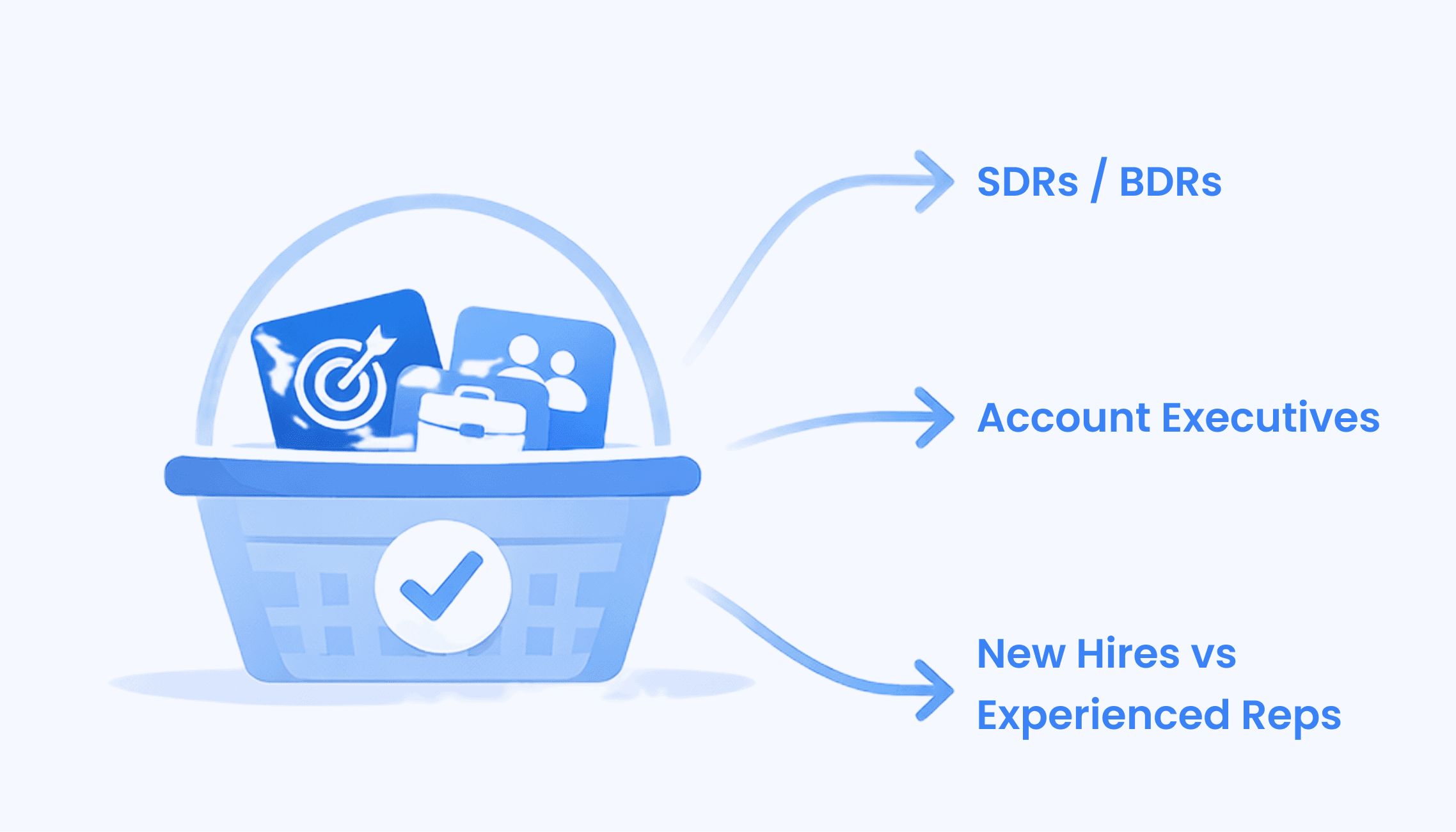
Instead of giving everyone the same onboarding checklist, build learning paths around role, seniority, team goals, and skill gaps.
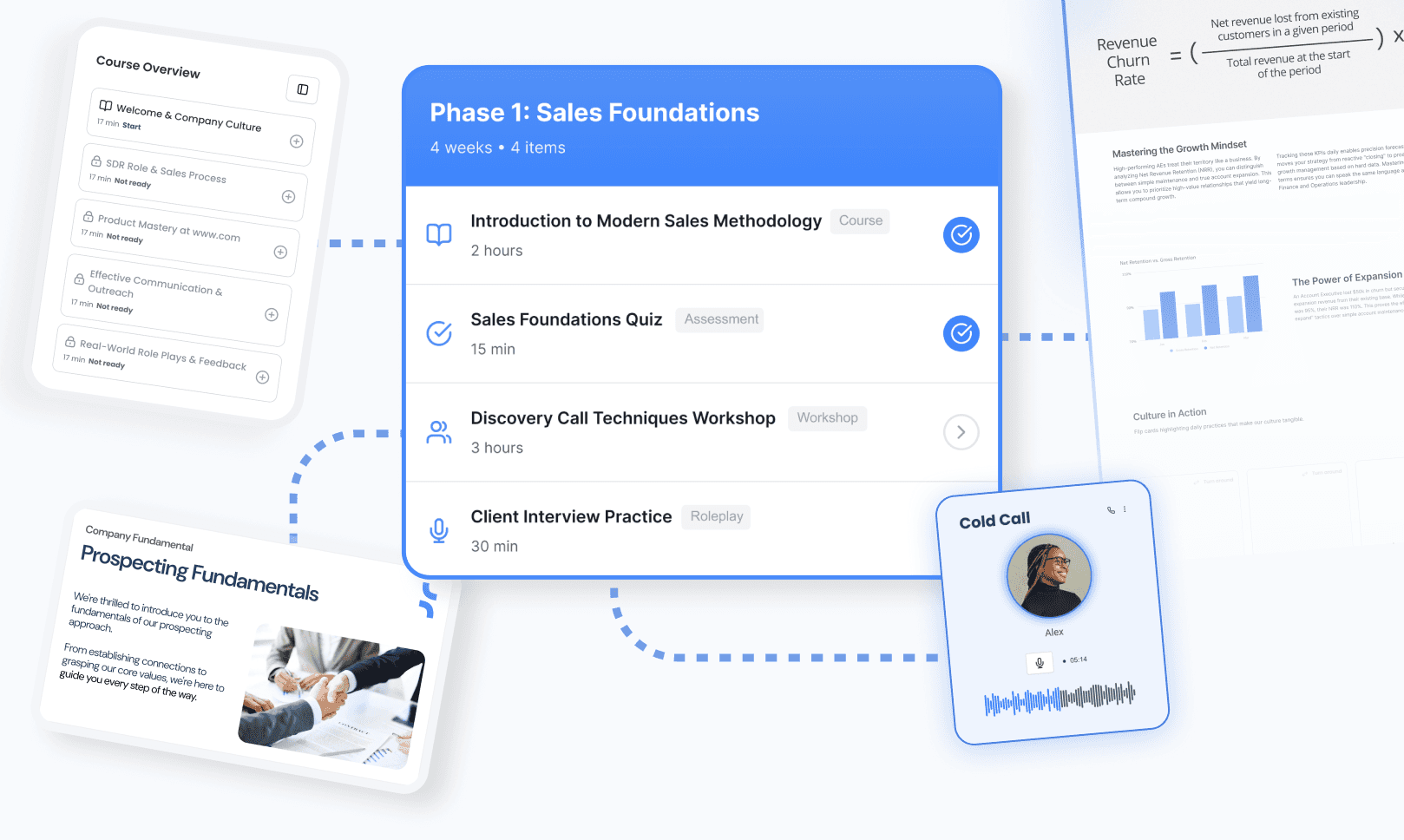
A simple sales onboarding path might look like this:
Week 1: Company, product, market, ICP, and core customer problems
Week 2: Messaging, qualification, discovery, and sales process
Week 3: Objection handling, competitive positioning, and product value
Week 4: Roleplays, call practice, assessments, and manager feedback
Month 2: Live call preparation, advanced scenarios, and certification
Month 3: Independent performance tracking and continued coaching
Deelan helps create adaptive learning paths that can change depending on the learner’s role, seniority, performance, and skill gaps, so training feels relevant instead of generic.
3. Add More Practice
Sales performance does not improve only because someone reads a playbook.
People improve when they practice.
They need to say the pitch out loud. They need to handle objections. They need to respond to difficult questions. They need to make mistakes before the real customer call.
To fix this, add practice into your enablement process.
Useful sales practice scenarios include:
Cold call opening
Discovery conversation
Pricing pushback
Competitor comparison
Product explanation
Renewal conversation
Executive pitch
Follow-up after a difficult call
Even one short roleplay per week can improve confidence and consistency.
The challenge is that managers do not always have time to run practice sessions manually. That is where AI roleplays become useful.
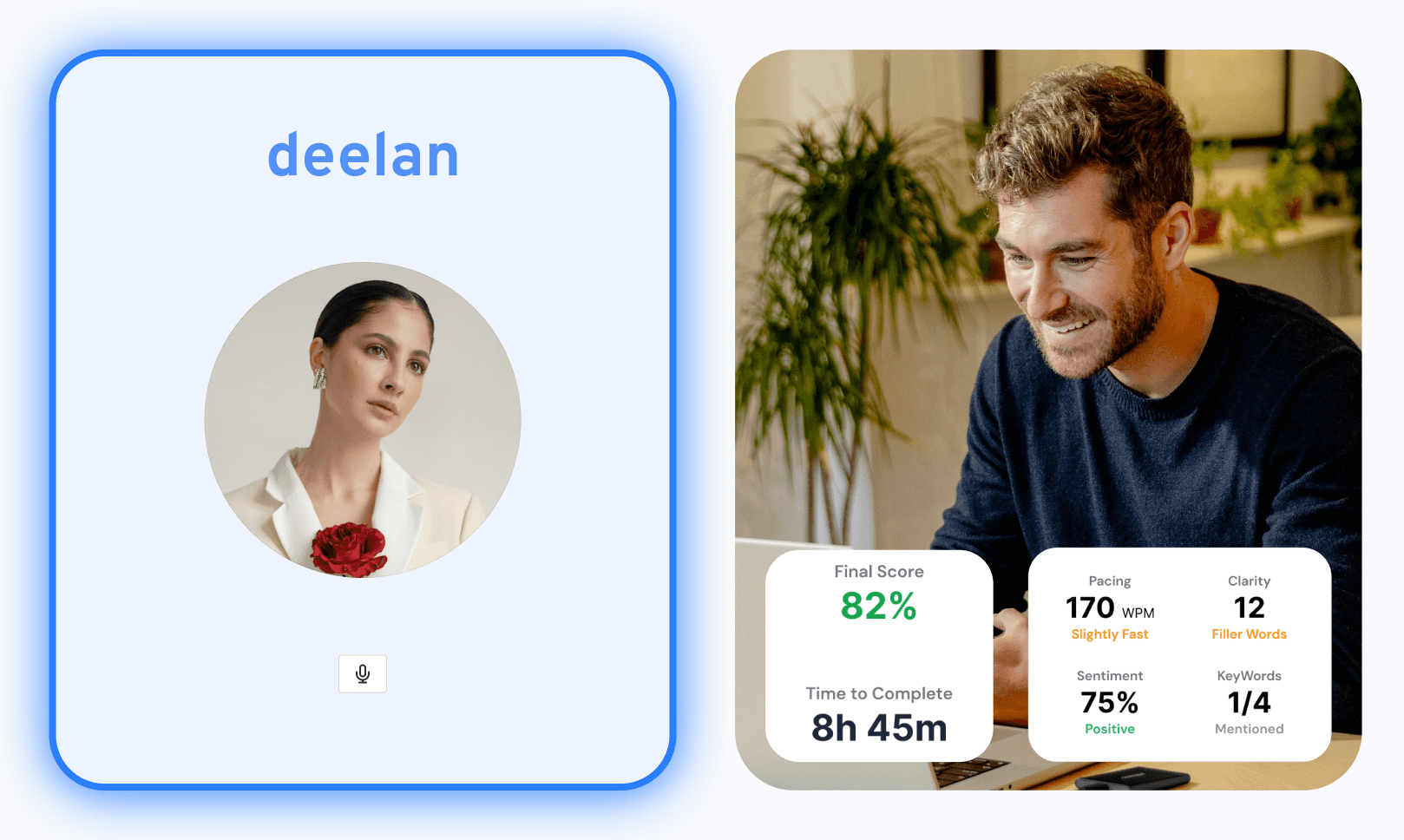
With Deelan, teams can create realistic AI roleplay simulations where learners practice conversations, receive feedback, and improve before they speak with real prospects or customers.
4. Measure Readiness, Not Just Completion
A common mistake in training is measuring completion instead of readiness.
Someone can complete onboarding and still be unprepared for a live call.
Sales enablement should measure whether people are ready to perform.
That means asking questions like:
Can this person explain our product clearly?
Can they qualify a prospect correctly?
Can they handle the most common objections?
Can they connect product features to business value?
Can they adapt the message to different buyer personas?
Can they run the conversation without manager support?
To answer these questions, you need assessments, certifications, roleplays, and manager visibility.
Deelan helps teams generate assessments and certifications that reveal real skill gaps, not just course completion.
5. Keep Training Updated as the Business Changes
Sales training becomes outdated quickly.
Messaging changes. Product features evolve. Competitors shift. Pricing changes. Processes improve. Customer objections change. New use cases appear.
If your training is not updated regularly, your team will start relying on old information.
This is why enablement needs to be continuous.
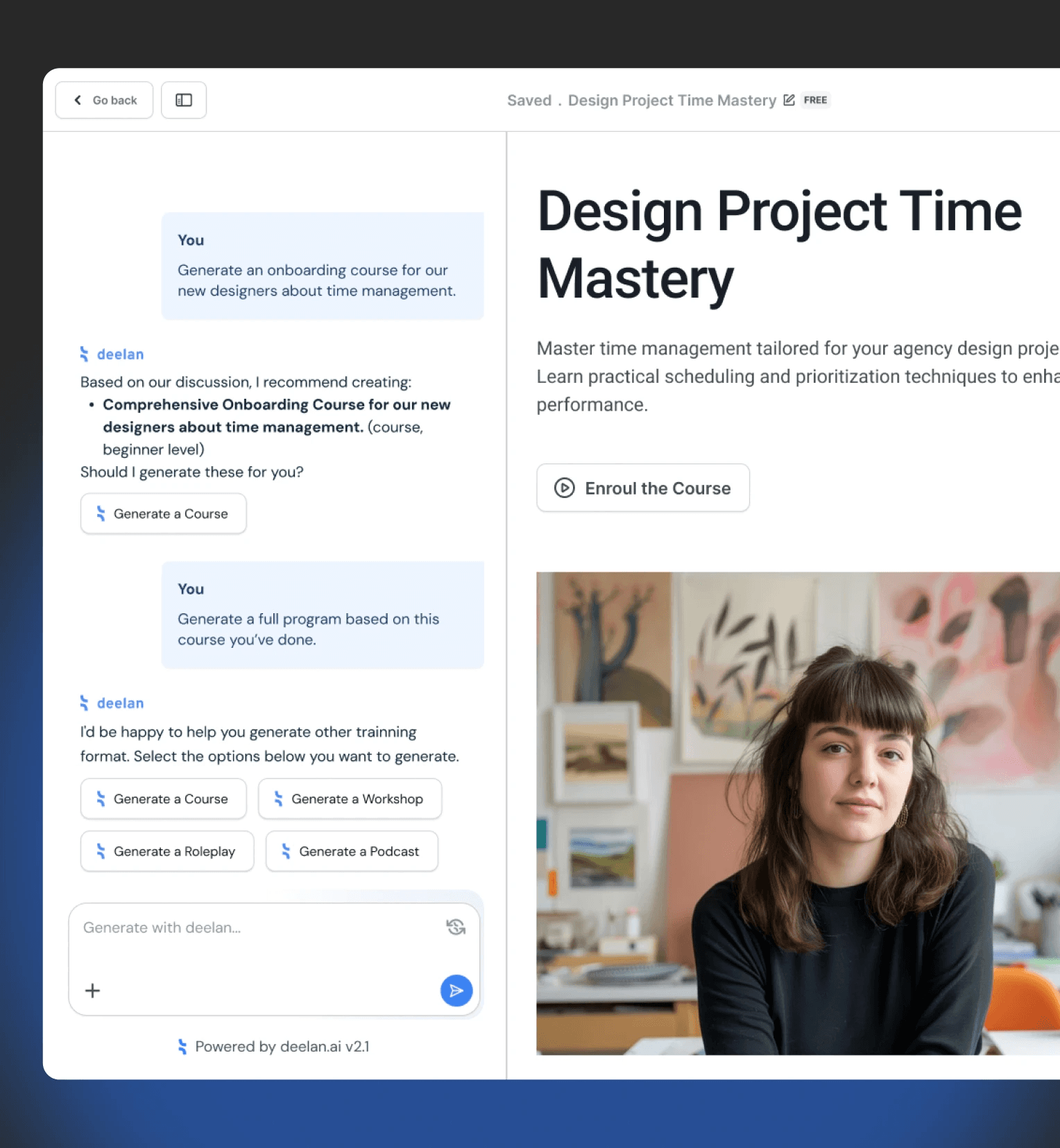
With Deelan, teams can turn new materials into updated courses, micro-learning, roleplays, assessments, and workshops in minutes, so training keeps pace with the business.
Getting Started
The hardest part of presales enablement isn't knowing what to do. It's doing it without an L&D team, a full-time enablement manager, or weeks of content creation time.
Deelan is an AI training platform built for revenue teams. Upload your existing playbooks, call recordings, and product documentation, and Deelan generates structured training — courses, roleplays, workshops, assessments — in minutes. Training paths adapt to each SE's role, seniority, and skill gaps, so no one gets the same generic module.
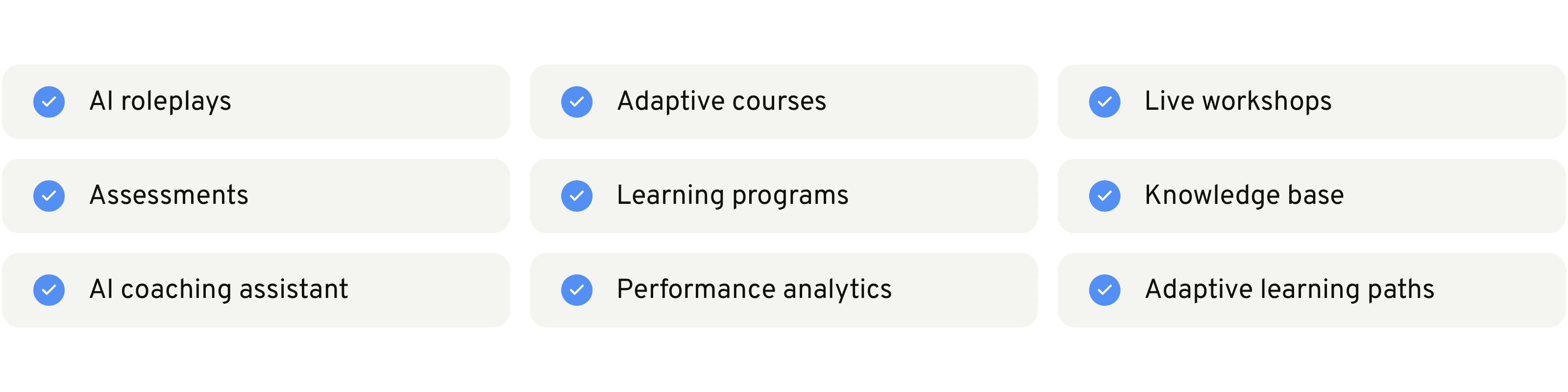
For presales teams specifically, this means:
New SE onboarding that's consistent and trackable, without a manager rebuilding it every hire cycle
Roleplay simulations for complex demos, objection handling, and discovery calls — practiced before going live with a prospect
Assessments tied to product releases, so SEs can certify on new features quickly instead of falling behind
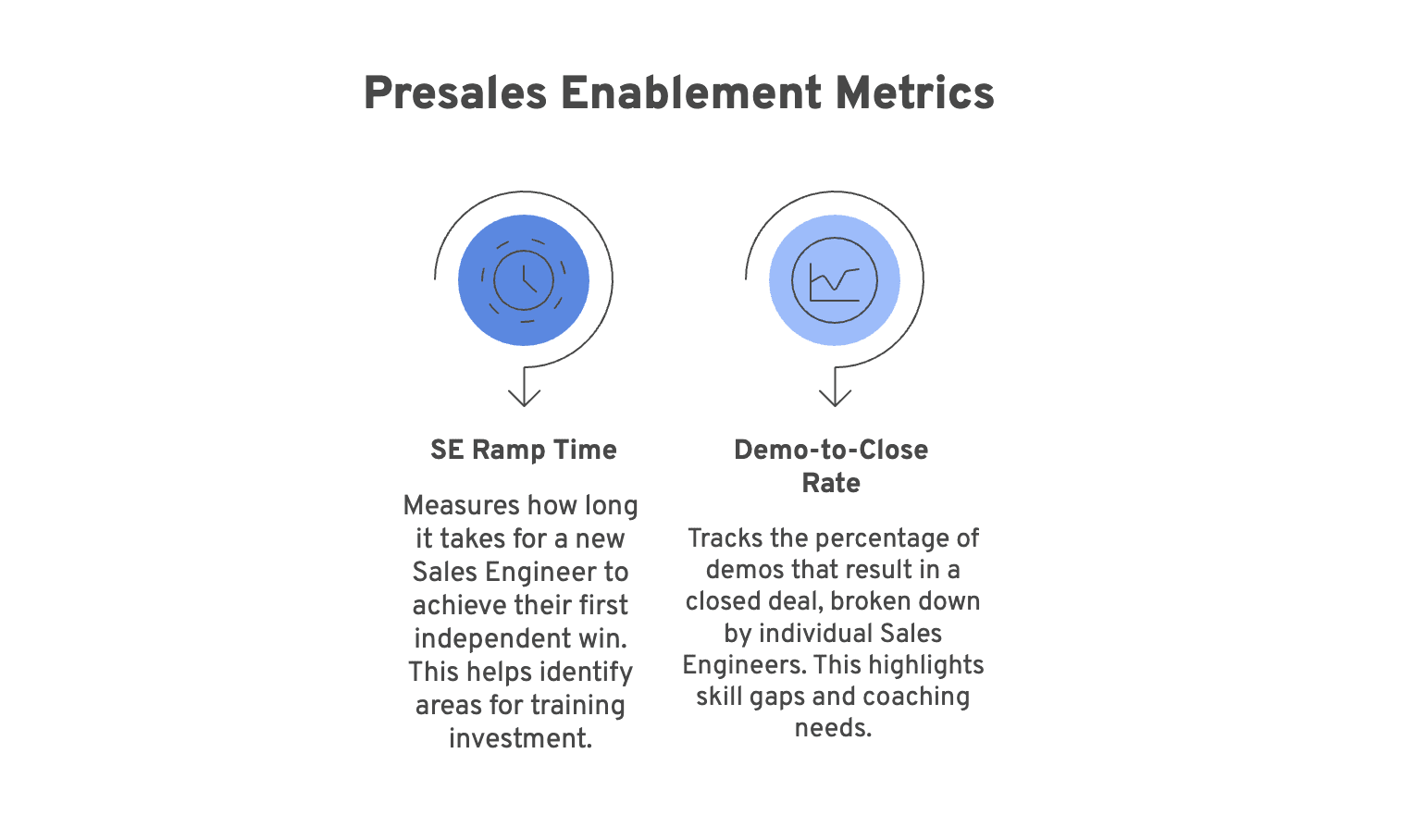
Real-time analytics showing skill gaps and readiness across the team, so managers know who needs coaching before it shows up as a lost deal
The result: faster ramp time, more consistent demo quality, and a presales team that keeps pace with product and market changes — without burning out the leaders trying to enable them manually.
Book a demo with Deelan and see how fast you can get a presales training program running.