You’ve read the sales enablement advice before: align sales and marketing, build a content library, implement a coaching framework, hire an enablement manager. Sounds great in theory.
But with what budget? Which manager? Which enablement team?
You’re running a sales team of 1–50 people, everyone is already doing three jobs at once. People are carrying quota, putting out fires, and figuring things out as they go. There’s no dedicated RevOps function or enablement department waiting in the background.
Most advice out there is written for companies with huge teams and resources.
This article is for teams that don’t have that. Because if you have 1–50 reps, you don’t need a big enablement machine — you need something practical that actually works with the team you have.
The Problems Small Sales Teams Face
We've worked with a lot of small businesses on their sales training. The same issues come up every time.
Onboarding is founder-dependent. New reps learn by shadowing or asking questions in Slack. It works until the second or third hire, then it breaks.
Ramp time is too long. Six to eight weeks before a rep can run a confident solo demo is expensive. Most teams accept it because they don't have a better system.
Coaching doesn't happen consistently. Managers want to coach. They don't have the time. One-on-ones turn into deal reviews, not skill development.
Training doesn't stick. 70% of training content is forgotten within 24 hours without reinforcement. A single onboarding week doesn't change behavior on live calls.
Middle performers stay stuck. Top reps and new hires get attention. The middle 60% of the team, where most of the revenue upside lives, gets neither.
Sales Enablement Advice for Teams Without an Enablement Department
You don't need a full enablement stack to fix these problems. You need a few things that work.
1. Don't Buy Tools With Features You'll Never Use
Most enterprise platforms charge $40 to $150 per user per month. The average adoption rate inside those platforms is low enough that over 40% of features never get touched.
For a small team, per-seat pricing is particularly brutal. Every new hire adds directly to your bill, even though your playbooks didn't change and your coaching methodology didn't get reinvented.
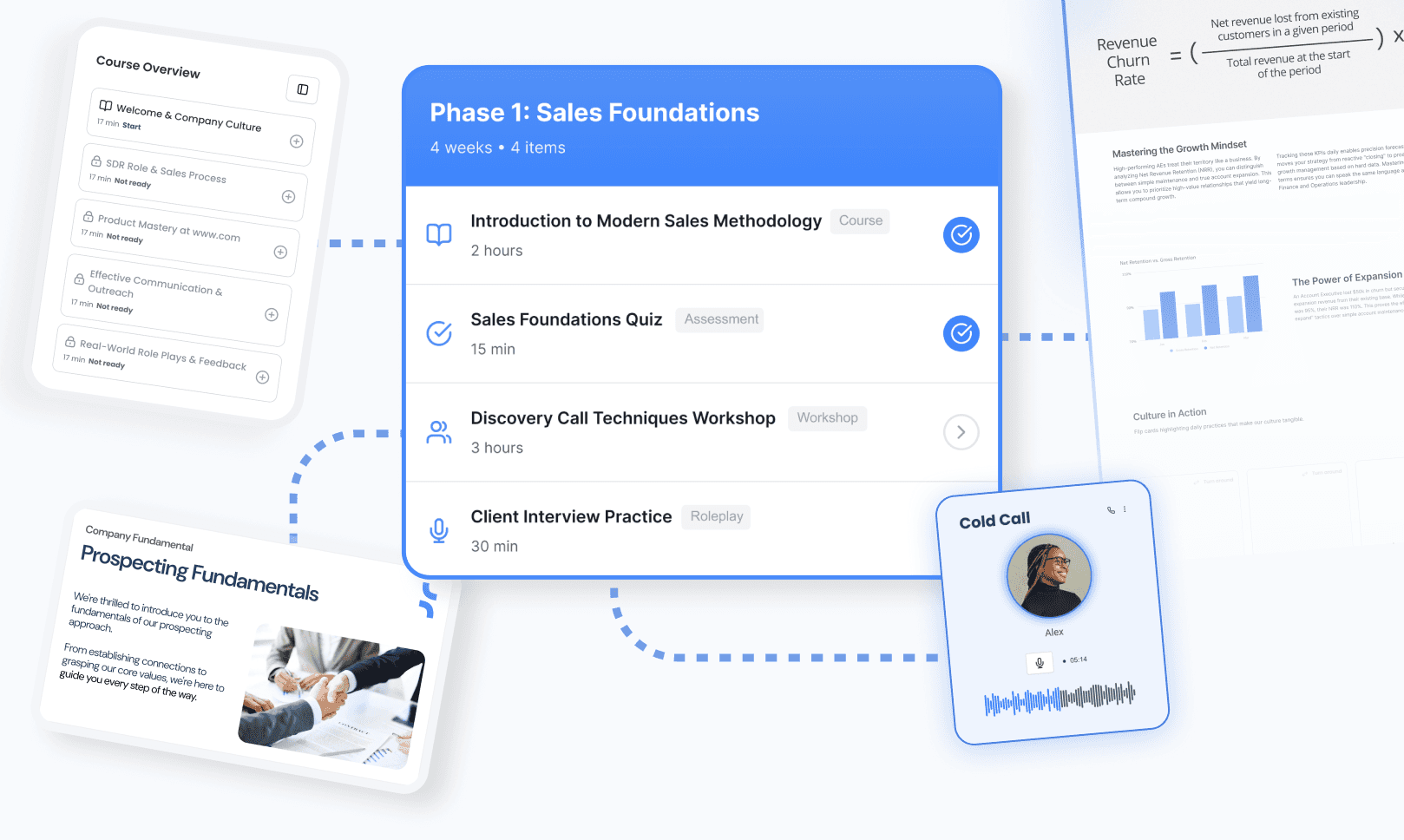
Look for flat-fee tools that match your actual use case. Deelan, for example, covers unlimited learners on a flat monthly fee starting at $299/month, built specifically for teams that need training and coaching without a per-seat penalty as they grow.
2. Pick One Bottleneck and Fix That First
Reps ramping slowly? You need a training platform with structured onboarding and practice.
Deals getting lost with no visibility? Start with a CRM like HubSpot or Pipedrive.
Call quality is the issue? Consider conversation intelligence like Gong, if the deal size justifies it.
Buying everything at once usually means nothing gets adopted well.
3. Replace Passive Learning With Practice
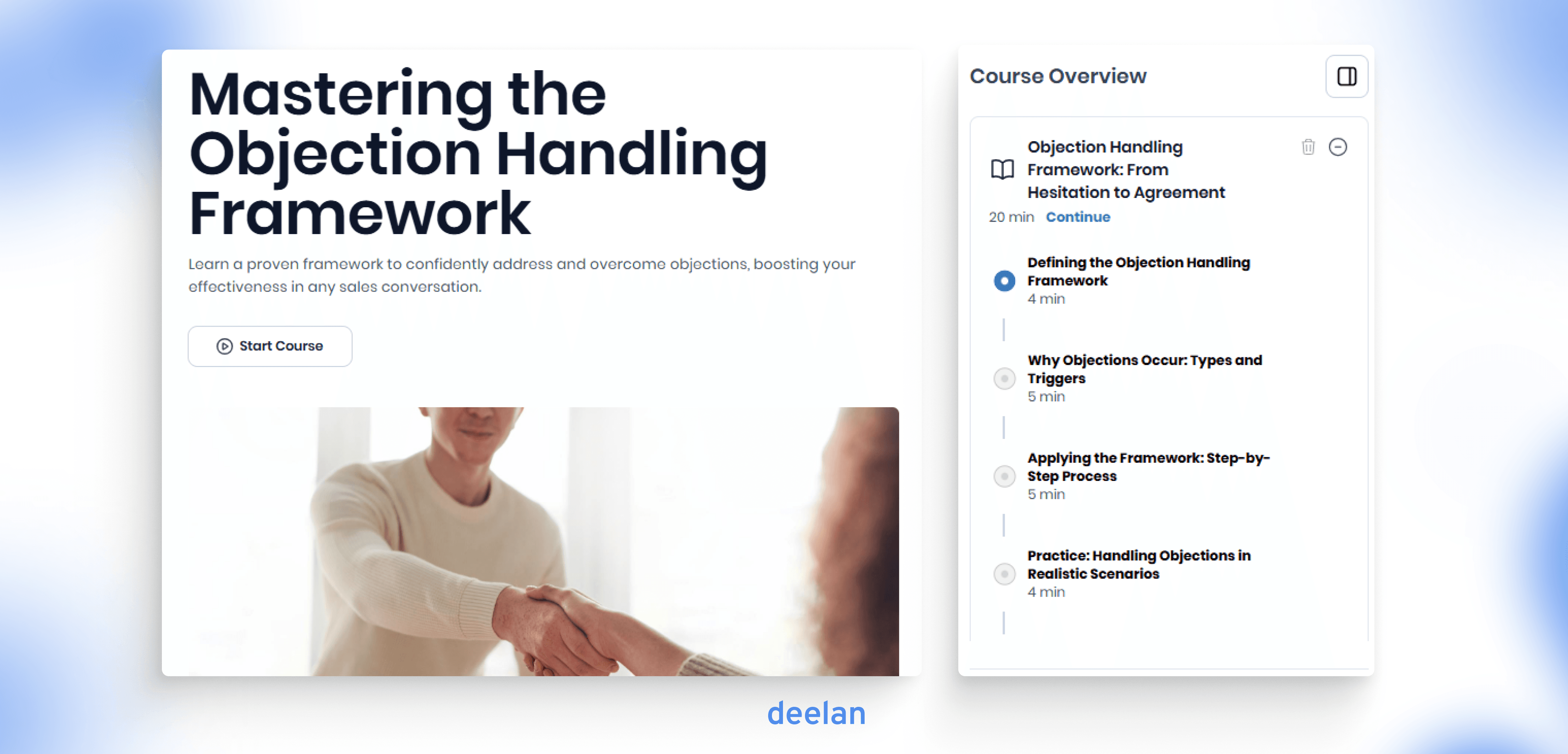
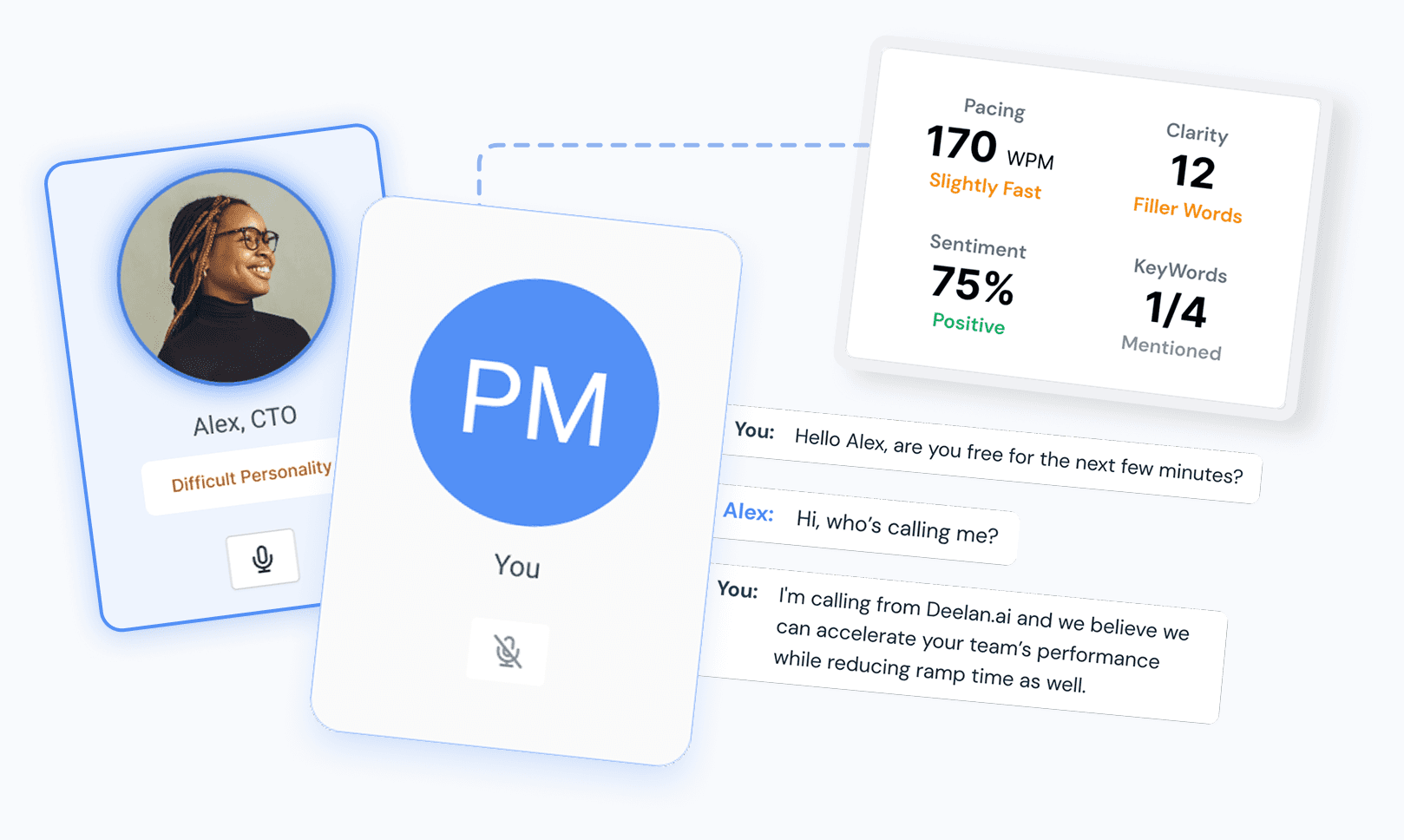
Watching videos and reading slides doesn't prepare reps for live objections. The reps who improve fastest are the ones who practice the hard conversations before they happen.
AI role-plays, call shadowing with structured feedback, and scenario-based exercises do more for performance than any course library.
4. Make Onboarding Repeatable
If onboarding depends on one person's time, it doesn't scale past three or four hires. Document your best calls, your objection responses, your demo structure, and turn them into something the next rep can follow independently.
Freebies
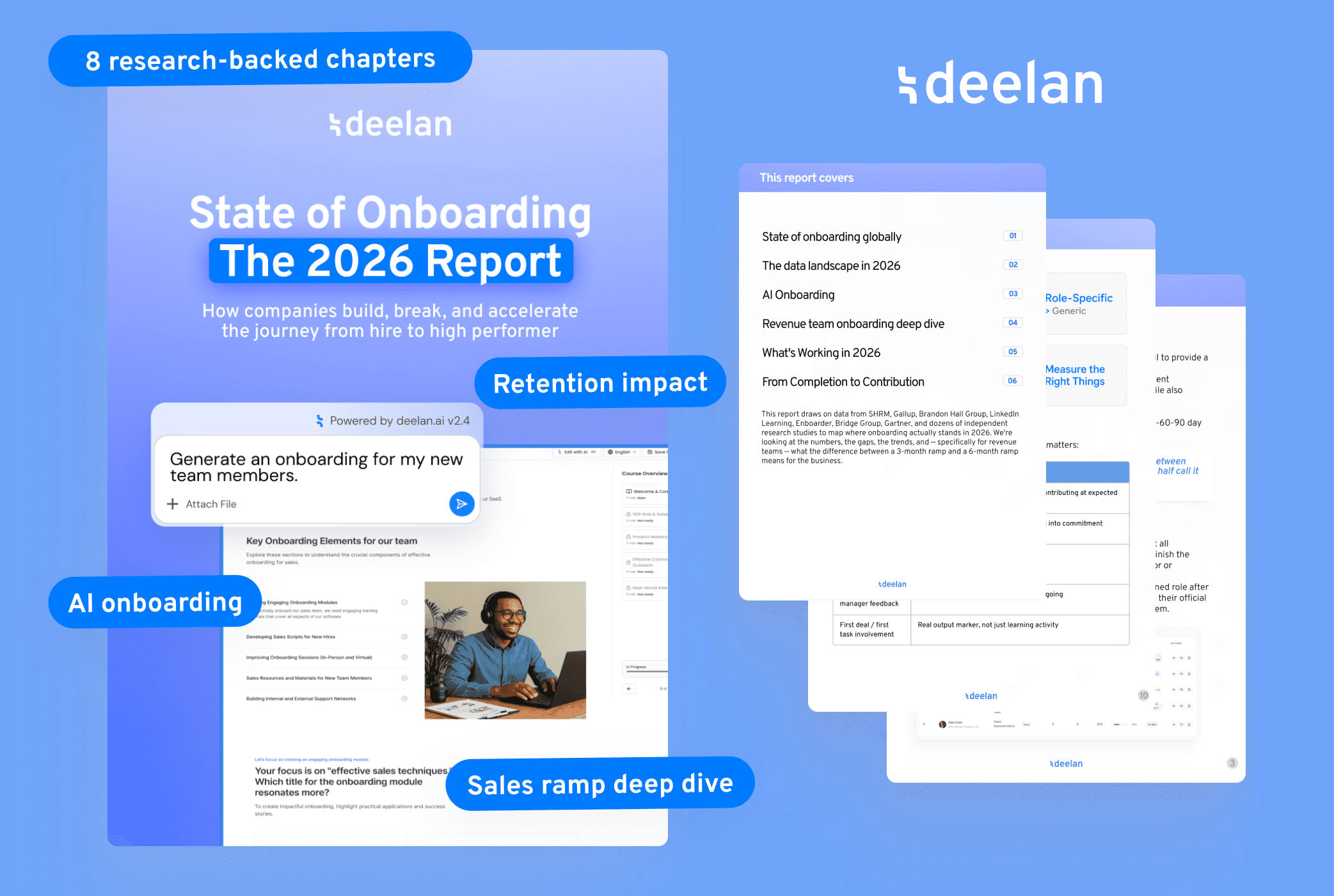
Get our Report about state of onboarding
This report breaks down exactly where the gaps are, what it's costing revenue teams, and what the fastest-ramping organizations are doing differently.
5. Give Managers a System, Not More Work
Coaching fails at small companies because managers are also selling. They can't do proper 1:1 skill development on top of everything else.
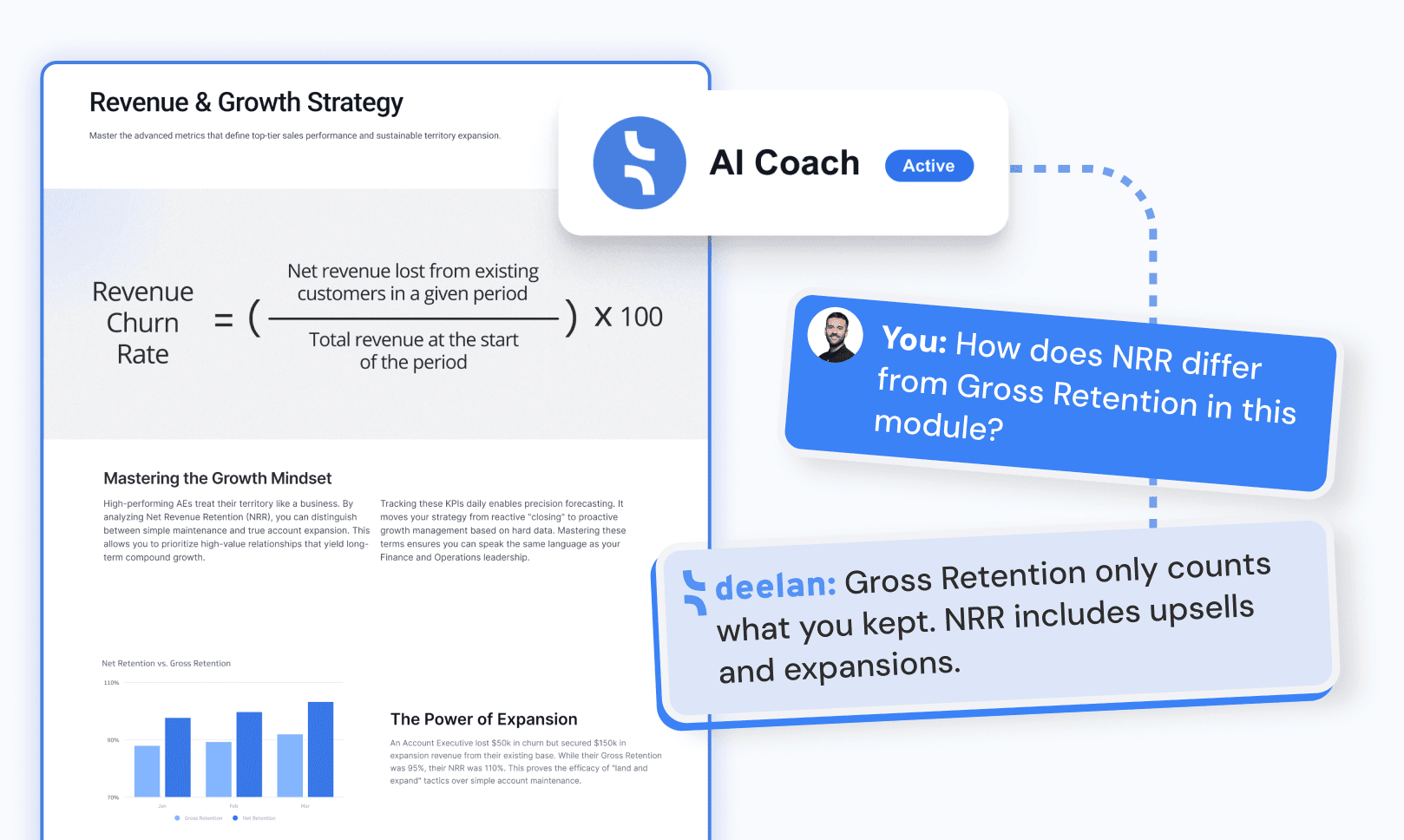
AI coaching tools can fill this gap by giving reps feedback automatically after practice sessions, so managers can focus their limited time on the conversations that actually need them.
Tool Comparison: What's Worth It for Small Teams
Tool | Best For | Training / Coaching | Pricing | Small Team Fit |
|---|---|---|---|---|
Ramp time, skill development,coaching | Full adaptive training, AI role-plays, feedback loops | Strong | ||
HubSpot Sales Hub | CRM + pipeline management | None natively | Per user from $15/mo | Strong (for CRM) |
Pipedrive | Pipeline visibility | None | Per user from $14/mo | Strong (for pipeline) |
Sales readiness, certifications | AI role-plays, skill assessments | Per user $40-70/mo, custom contracts | Moderate (price scales) | |
Content + basic coaching | Basic coaching modules | Per user ~$35/mo | Moderate | |
Gong | Call intelligence, deal inspection | Call-based coaching | Per user $100-150/mo | Limited (expensive) |
Deelan: Built for Teams Without an Enablement Department
Deelan is an full cycle sales training platform. Most tools measure whether reps completed a course. Deelan measures whether they can actually do the thing.
How it works:
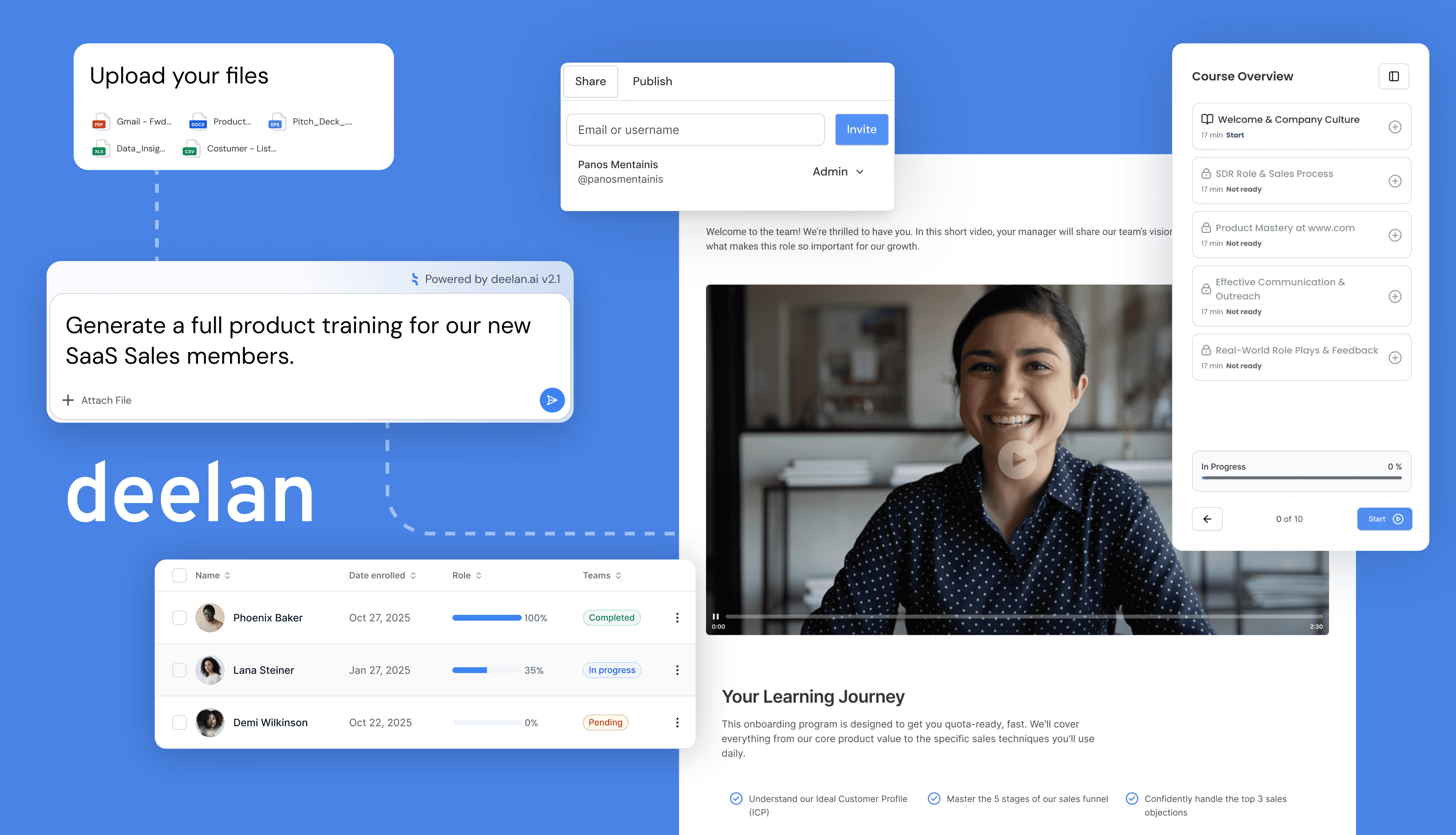
Upload your playbooks, demo recordings, objection handling docs, or any existing training material
Deelan converts that content into structured courses, quizzes, and AI-powered role-play simulations in days, not weeks
Each rep gets a personalized learning path based on their specific gaps, not the same course as everyone else
After each role-play, the AI coach scores pacing, clarity, keyword usage, and specific skill checkpoints, then prescribes the next module automatically
Managers get a live dashboard showing where each rep is strong and where they're likely to lose deals
What changes for the team:
New hires follow a clear path from day one, no founder required
Reps practice objections before they hear them on a real call
Managers spend less time repeating the same feedback and more time on the conversations that matter
Training adapts as reps improve, so the middle performers actually move up
Real example: Kidola, a French nursery management SaaS, cut rep ramp time from six to eight weeks down to three. Within 60 days they booked 30% more demos and quota attainment rose 20%. Their training content was already sitting in Slack threads and old call recordings. Deelan just turned it into something structured.
Starter: $299/month, unlimited learners
Growth: $599/month, unlimited learners
No per-seat fees. Your bill stays the same when you hire.
How to Pick What's Right for Your Team
One question worth asking any vendor: what's included in onboarding, and what costs extra? Enterprise platforms regularly charge $5,000 to $20,000 in setup fees that don't appear in the per-seat price. For a small team, that changes the real cost significantly.
A second question: what does the bill look like when you add 10 more reps next quarter?
If the answer to either of those questions is uncomfortable, keep looking.