Key Takeaways
Revenue leakage often starts before a deal reaches the pipeline.
Slow onboarding creates delayed productivity that compounds across the team.
Partner activation is one of the largest hidden sources of lost channel revenue.
Trial users frequently leave because value is never demonstrated clearly.
Stalled deals consume forecast space long after they stop moving.
Consistent coaching and knowledge reinforcement can reduce several forms of revenue leakage at once.
Ask ten revenue leaders where revenue leakage comes from and most will point to pricing, contracts, discounts, or churn.
They're not wrong. But those are usually the places where the loss becomes visible.
The leak often starts much earlier:
A rep takes six months to ramp instead of three.
A partner completes onboarding but never creates pipeline.
A prospect signs up for a trial and leaves without reaching value.
A deal sits in the forecast long after momentum has disappeared.
They affect revenue just as much as a discount or a lost renewal.
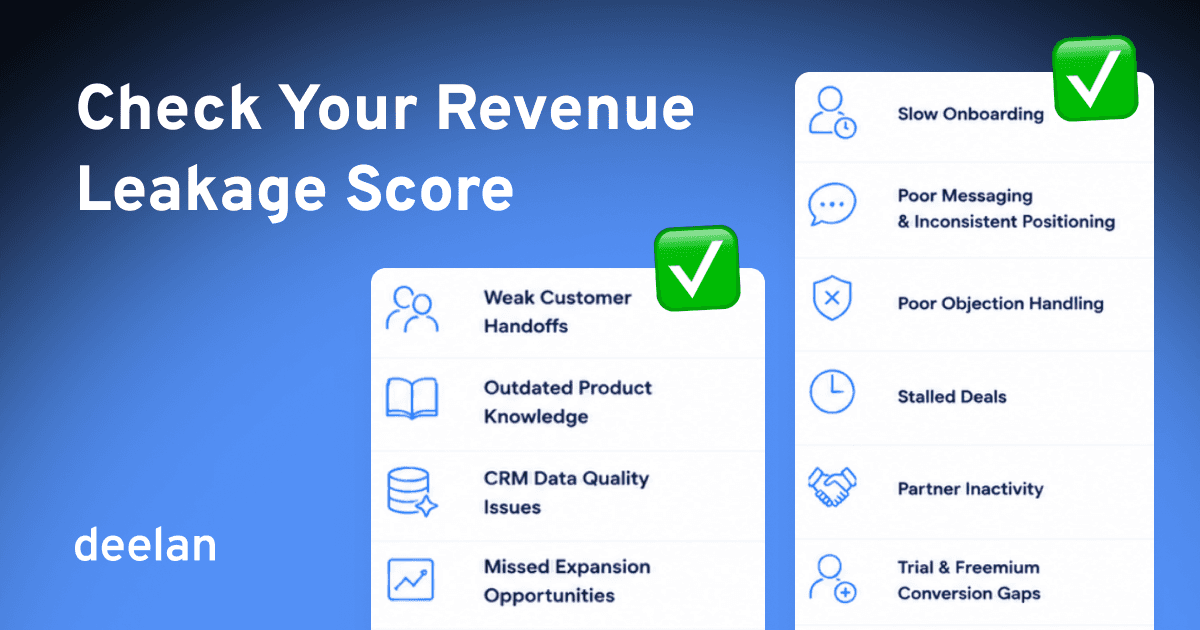
Here are eleven examples worth paying attention to.
Revenue Leakage Example | Typical Impact |
|---|---|
Slow onboarding | Delayed productivity |
Poor messaging | Lower win rates |
Poor objection handling | Lost opportunities |
Stalled deals | Inflated pipeline |
Partner inactivity | Lost channel revenue |
Trial & freemium conversion gaps | Lower paid conversion |
Weak customer handoffs | Lower retention |
Outdated product knowledge | Inconsistent execution |
CRM data quality issues | Poor decisions |
Missed expansion opportunities | Slower growth |
Forecasting blind spots | Resource misallocation |
Slow Onboarding
Every revenue leader knows hiring is expensive.
What receives less attention is the period between hiring someone and getting productive output from them.
Freebies
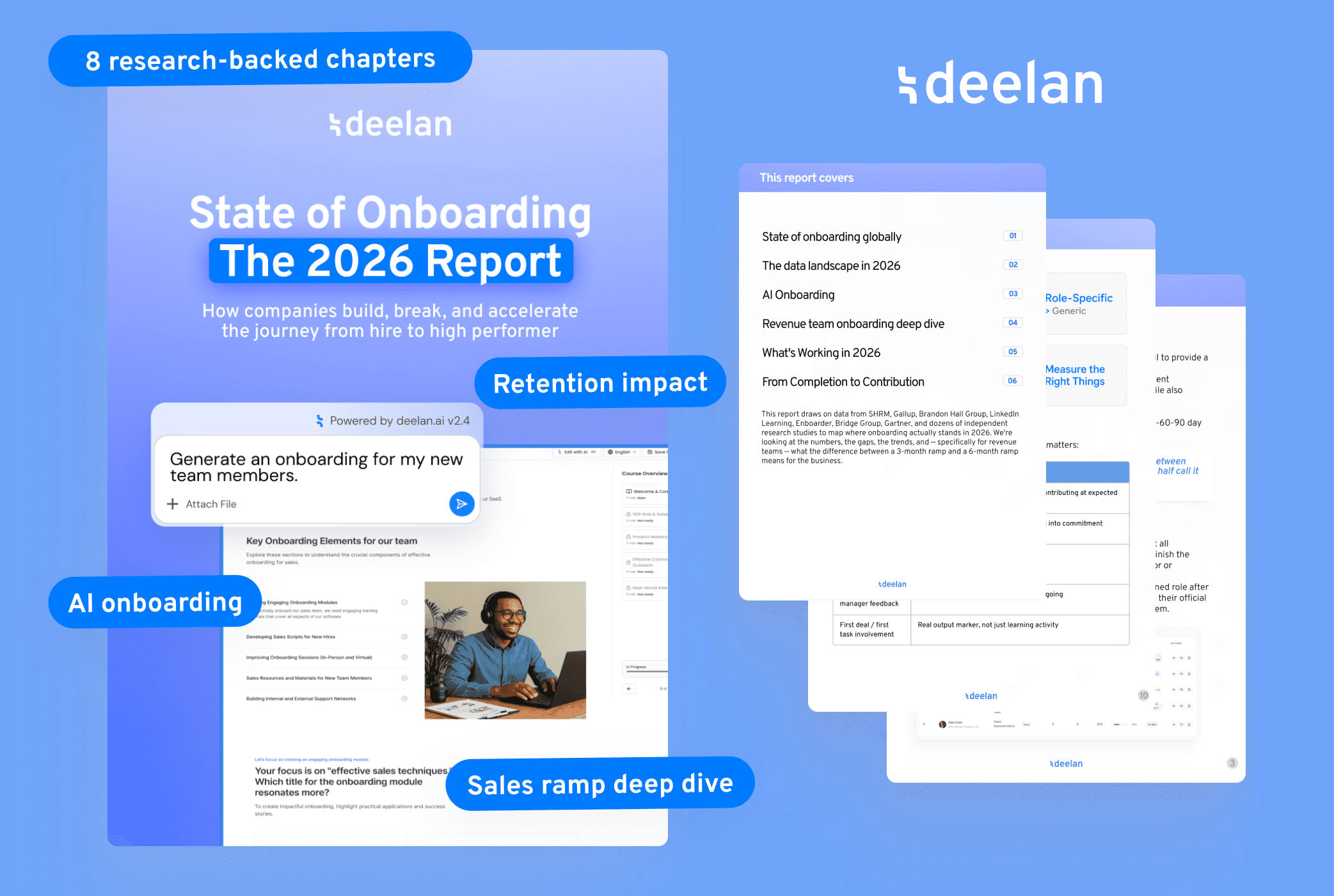
Get our Report about state of onboarding
This report breaks down exactly where the gaps are, what it's costing revenue teams, and what the fastest-ramping organizations are doing differently.
When onboarding drags on for months, the company is effectively carrying salary costs without receiving the revenue contribution it planned for.
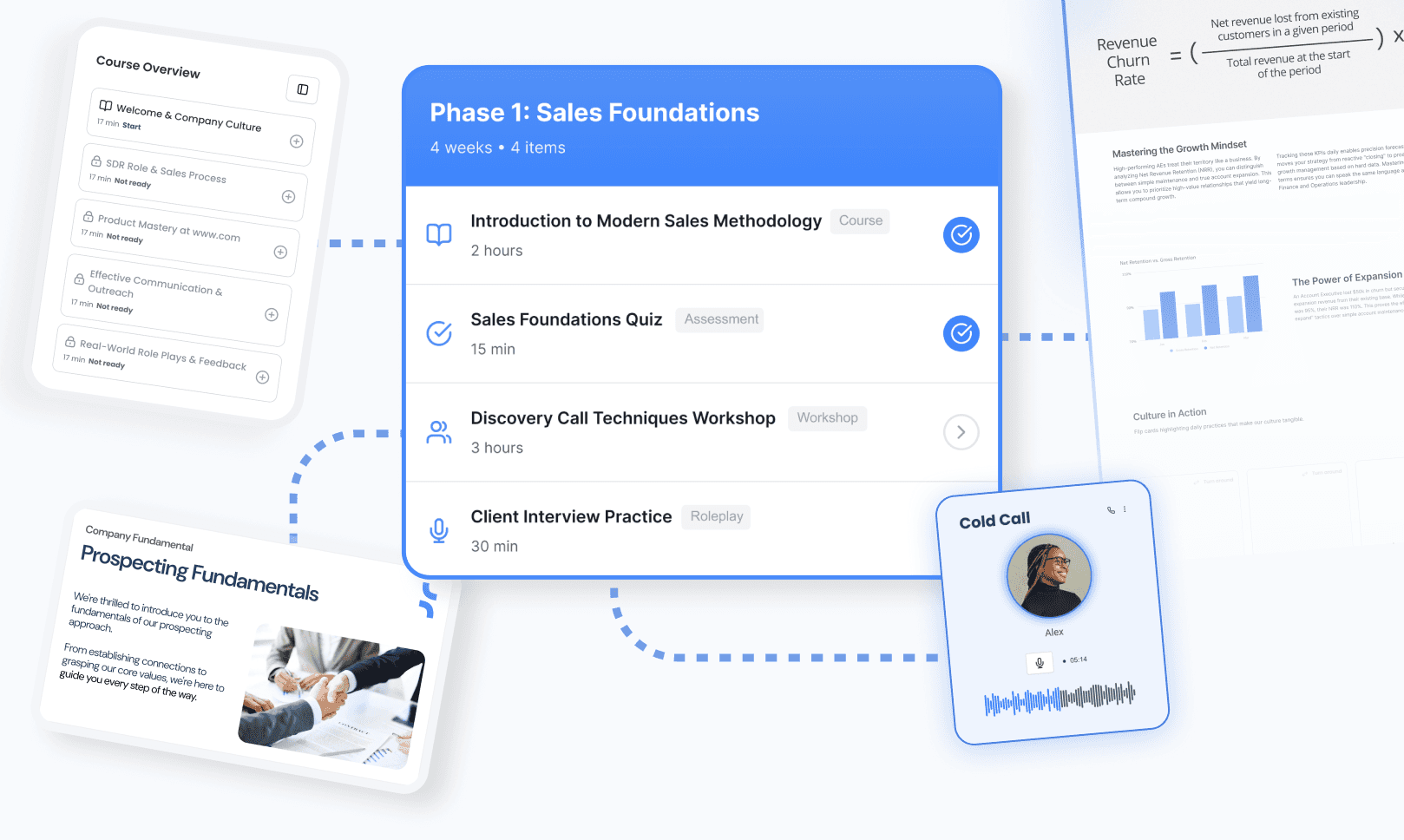
Teams have started approaching onboarding differently over the last few years. Instead of treating training as a one-time event, they build structured learning paths around real conversations, product knowledge, and customer scenarios.
Platforms such as Deelan help revenue teams convert existing playbooks, call recordings, and documentation into onboarding programs that evolve as the business changes.
Poor Messaging
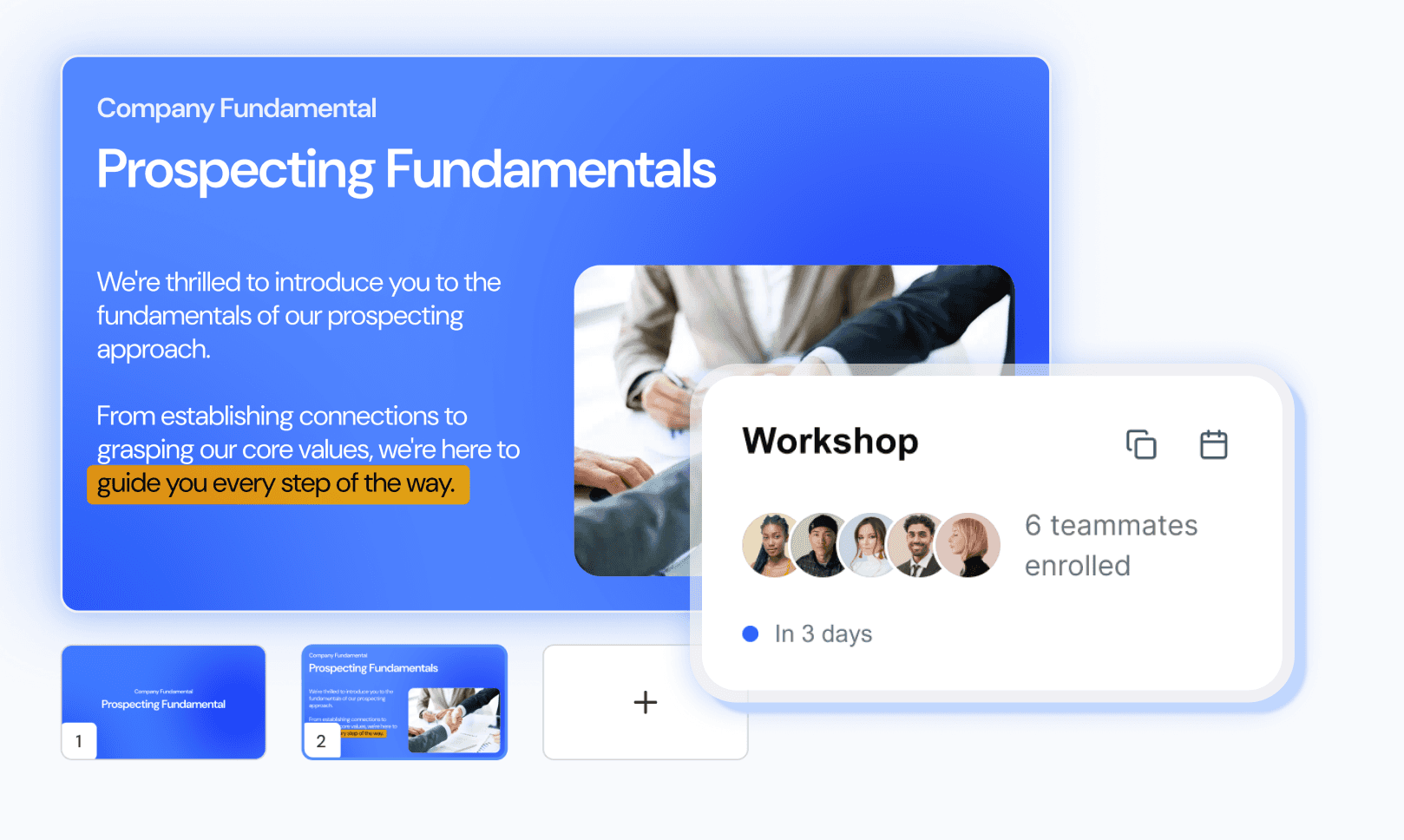
Sit in on ten discovery calls and you'll often hear ten different versions of the company story.
The strongest reps simplify the problem, communicate value clearly, and connect the solution to business outcomes.
Others focus on features, technical details, or whatever they remember from onboarding.
Poor Objection Handling
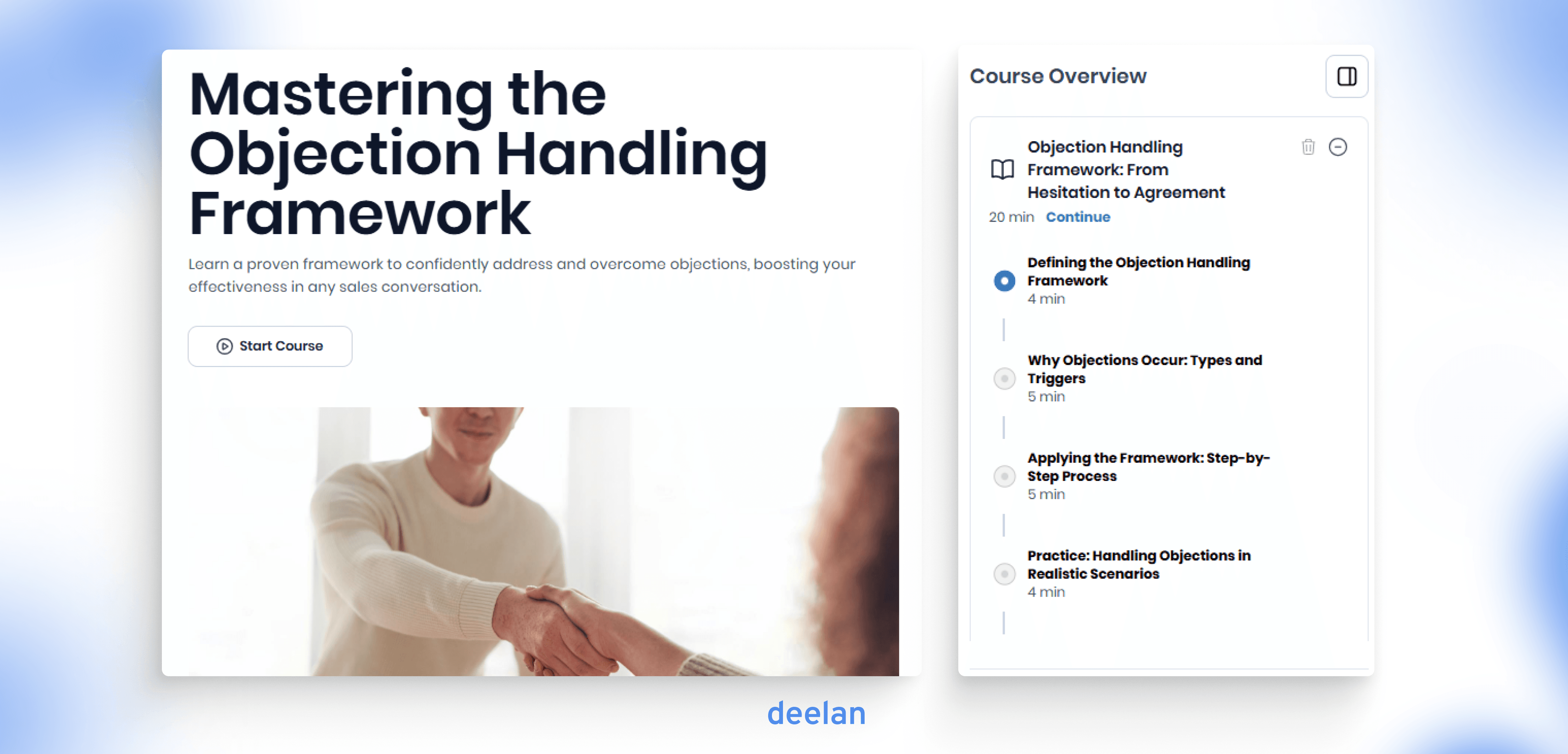
A rep survives discovery. Gets to pricing.
One objection appears. The conversation stalls. The deal quietly disappears.
You can connect this to roleplays and practice later.
4. Stalled Deals
Almost every pipeline contains opportunities that look healthy on paper but have quietly lost momentum.
Strong RevOps teams monitor deal activity continuously. They look for inactivity, stakeholder engagement, next-step completion, and buying signals long before forecast meetings happen. Finding problems early gives the team time to act. Finding them at the end of the quarter usually means the opportunity is already gone.
5. Partner Inactivity
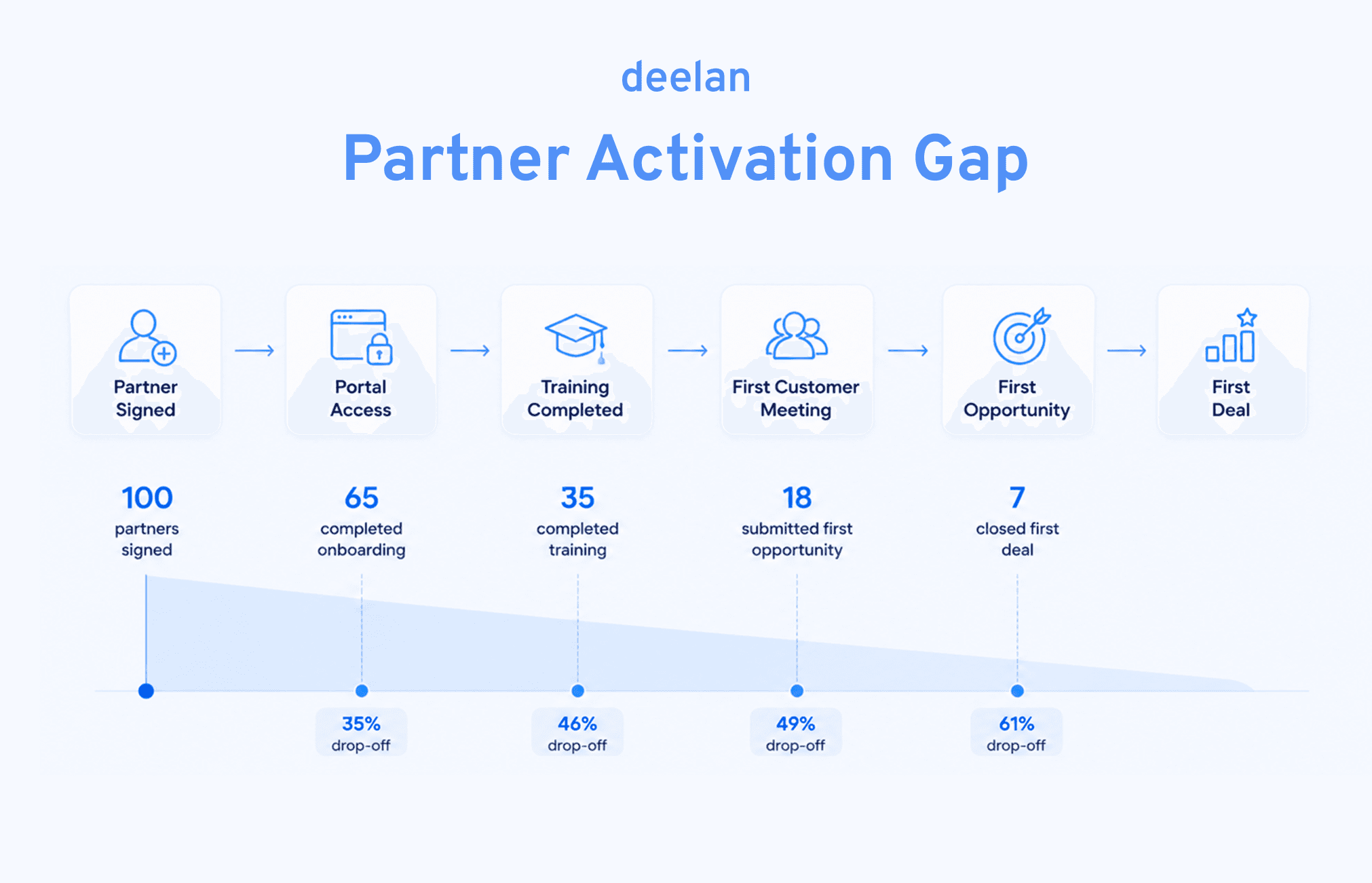
Many companies measure partner program growth by the number of signed partners. The more useful metric is how many actually generate revenue.
Structured partner enablement plays a significant role here. Teams using Deelan often build role-specific onboarding paths, certifications, role plays, and assessments that help partners become productive faster instead of leaving them with a folder full of content and hoping they figure it out.
6. Trial and Freemium Conversion Gaps
Many SaaS companies focus heavily on acquiring new trial users. The assumption is that more signups will eventually create more customers.
In practice, the bigger opportunity is often improving what happens after signup.
Teams that improve activation usually focus on education and guidance. They help users understand what success looks like and how to get there quickly. Even small improvements in activation rates can have a larger impact on growth than increasing top-of-funnel traffic.
7. Weak Customer Handoffs
A customer who explained their goals during discovery shouldn't have to repeat the same conversation during onboarding. Yet it happens constantly.
Revenue leakage from poor handoffs is difficult to spot because the consequences often appear months later. By then, the original cause has been forgotten.
Organizations with strong retention rates typically invest heavily in communication between teams and clear ownership at every stage of the customer journey.
8. Outdated Product Knowledge
Revenue teams operate in environments that change constantly.
Competitors launch new features. Pricing changes. New use cases emerge.
A sales deck created six months ago may still be circulating. Reps continue using old positioning. Partners share outdated messaging. Customer-facing teams answer questions using information that is no longer accurate.
Over time, these small disadvantages compound into missed opportunities.
Keeping knowledge current has become increasingly difficult because information lives across documents, recordings, Slack conversations, and internal wikis.
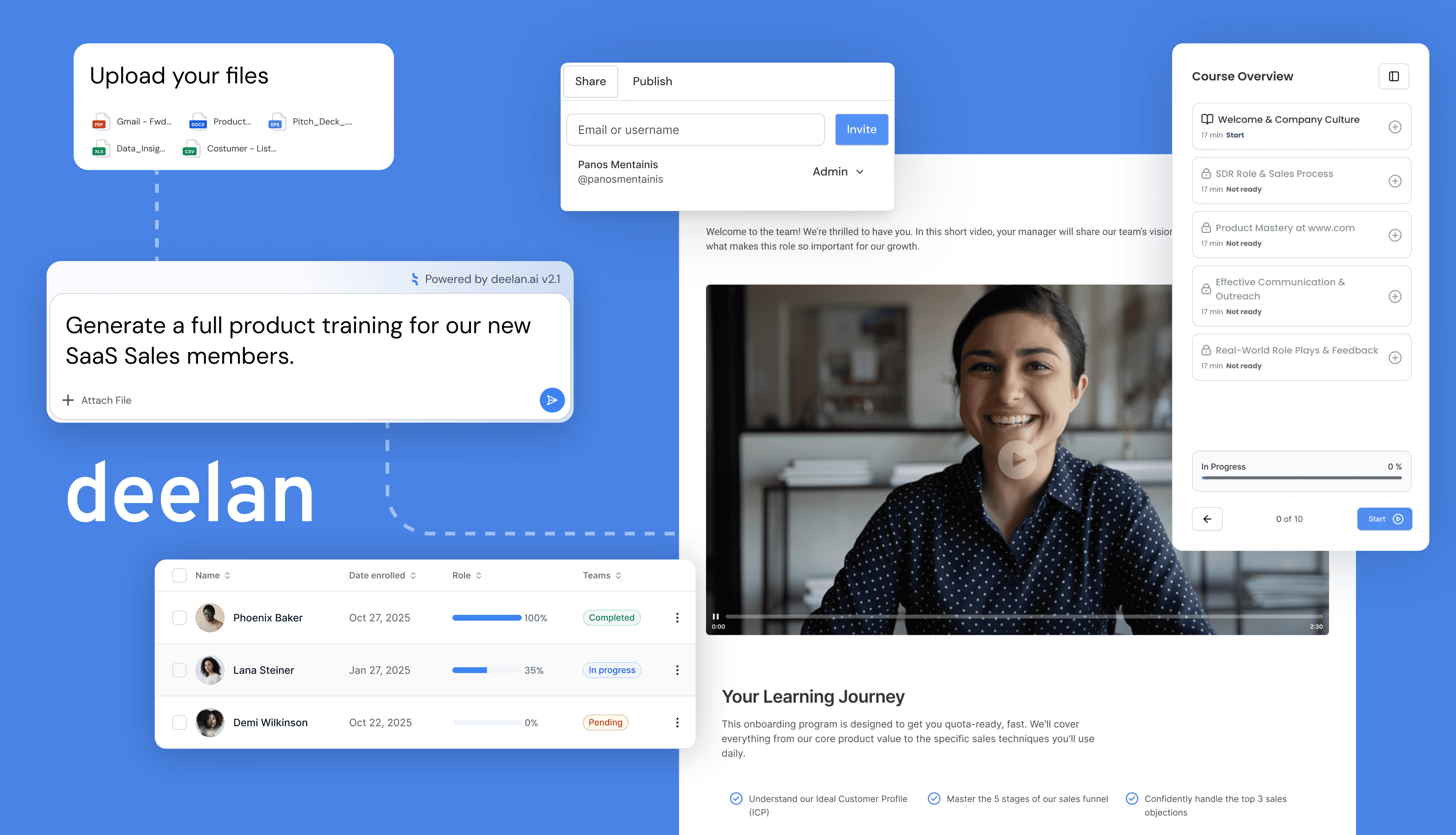
This is one reason many revenue teams are moving toward continuous learning rather than annual training programs. Deelan help teams update learning content as the business evolves, keeping onboarding, coaching, and enablement aligned with current reality instead of last quarter's messaging.
9. CRM Data Quality Issues
When the data is wrong, the decisions become less reliable.
Across thousands of records, these problems create meaningful consequences.
One of the reasons CRM issues are so expensive is that they affect almost every team simultaneously. Marketing, sales, customer success, and RevOps all depend on the same underlying data.
Poor data quality creates hundreds of small inefficiencies that slowly reduce performance across the organization.
10. Missed Expansion Opportunities
Many organizations put most of their effort into winning new customers. Existing customers often receive far less attention.
This creates a different form of revenue leakage.
A customer adopts one product but never learns about another.
An account grows but the contract remains unchanged.
A team expands from ten users to fifty users while still operating under the original plan.
Expansion revenue is frequently one of the most efficient sources of growth because the relationship already exists. The customer understands the product. Trust has already been built.
When upsell and cross-sell opportunities are not identified systematically, revenue remains on the table.
11. Forecasting Blind Spots
Forecasts influence hiring decisions, investment plans, territory allocation, and revenue expectations. When forecasts are wrong, the consequences extend far beyond the sales team.
Healthy forecasting depends on visibility. Teams need accurate pipeline data, clear deal activity, reliable next steps, and an honest understanding of risk.
Without that visibility, organizations end up making strategic decisions using information that only partially reflects what is happening in the market.
How to Reduce Revenue Leakage
Revenue leakage is rarely one dramatic event.
It usually starts as a collection of small gaps.
A rep who wasn't ready.
A partner who never became active.
A trial user who never reached value.
A deal that should have been flagged weeks earlier.
Many of these issues share the same root cause: people don't have the information, confidence, or support they need at the right moment.
That's why revenue teams increasingly invest in onboarding, coaching, partner enablement, and continuous learning alongside traditional RevOps initiatives.
Deelan helps revenue teams reduce ramp time, scale coaching, activate partners faster, and close knowledge gaps that often contribute to revenue leakage.